On the outskirts of Somalia’s southern port city of Kismayo, the land has become an open graveyard for cattle. Some animals lie where they fell, others are buried in shallow graves after consecutive failed rainy seasons. For pastoralist families who relied on livestock for milk, meat and income, the animals were everything — now they are a stark symbol of loss.
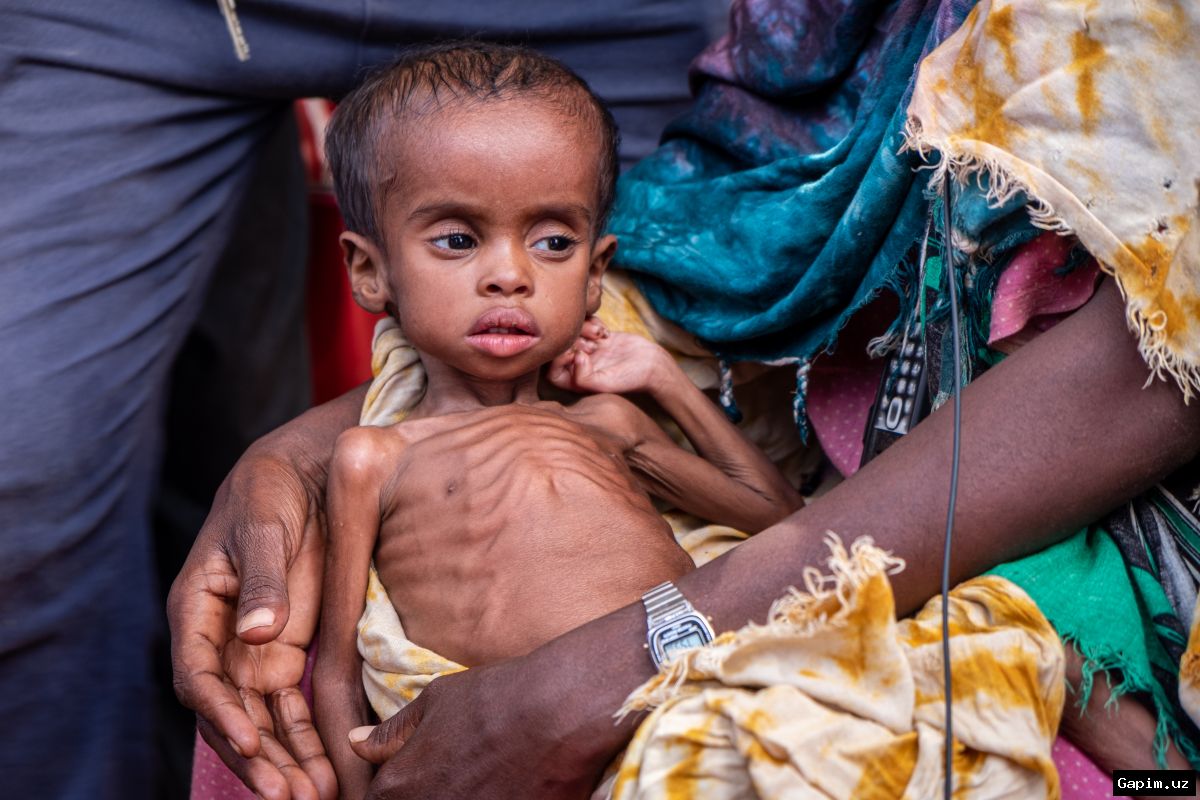
The crisis extends nationwide: 6.5 million people are forced to skip meals daily. Drought and rising costs are pushing the country deeper into emergency. Save the Children’s humanitarian director Francesca Sangiorgi told Al Jazeera that repeated climate shocks are compounding over time, with multiple failed rainy seasons across the country. Even when rain arrives, it is often too uneven and too late to restore collapsed livelihoods.
A third of Somalia’s population faces severe food insecurity (IPC Phase 3 and above). Over 2 million people are in emergency conditions (IPC Phase 4), facing extreme shortages and forced displacement. According to the UN, an estimated 1.8 million children under five are at risk of acute malnutrition, endangering their survival. Sangiorgi noted that child illnesses are spreading and school dropout rates are extremely high due to the drought.
Doctors Without Borders (MSF) reports over 3.3 million people have been displaced. Near Kismayo, one of the largest camps for displaced people has formed. Barwaqo Aden, a displaced resident from Jamame, arrived recently but her eight-month-old daughter is already hospitalized with severe malnutrition. Others flee areas controlled by al-Shabab, walking for days to reach overcrowded settlements with limited aid.
The crisis is primarily driven by climate shocks: three consecutive failed rainy seasons have dried rivers, wells and pastures. Livestock are dying, livelihoods disappearing. Armed conflict adds strain, while the global economic crisis linked to the US-Israeli war on Iran has constricted supply chains. MSF reported transport costs have risen by up to 50%, and over 200 health and nutrition facilities have closed since early 2025 due to funding cuts.
As needs surge, humanitarian funding is shrinking. The UN response plan for Somalia is only 20% funded — $1.42 billion required, just $288 million received. This has forced a reduction in aid recipients from 6 million to 1.3 million. UN humanitarian chief Tom Fletcher told Reuters in March that these constraints will damage supply chains, reduce supplies, and drive up energy and food costs, calling it a “perfect storm of factors.”
Source: www.aljazeera.com