The Venice Art Biennale, a prestigious biennial exhibition, has historically maintained that art transcends politics. However, as the event is also dubbed the "Olympics of the art world," with national pavilions acting as official state-sponsored platforms, global politics inevitably becomes entangled.
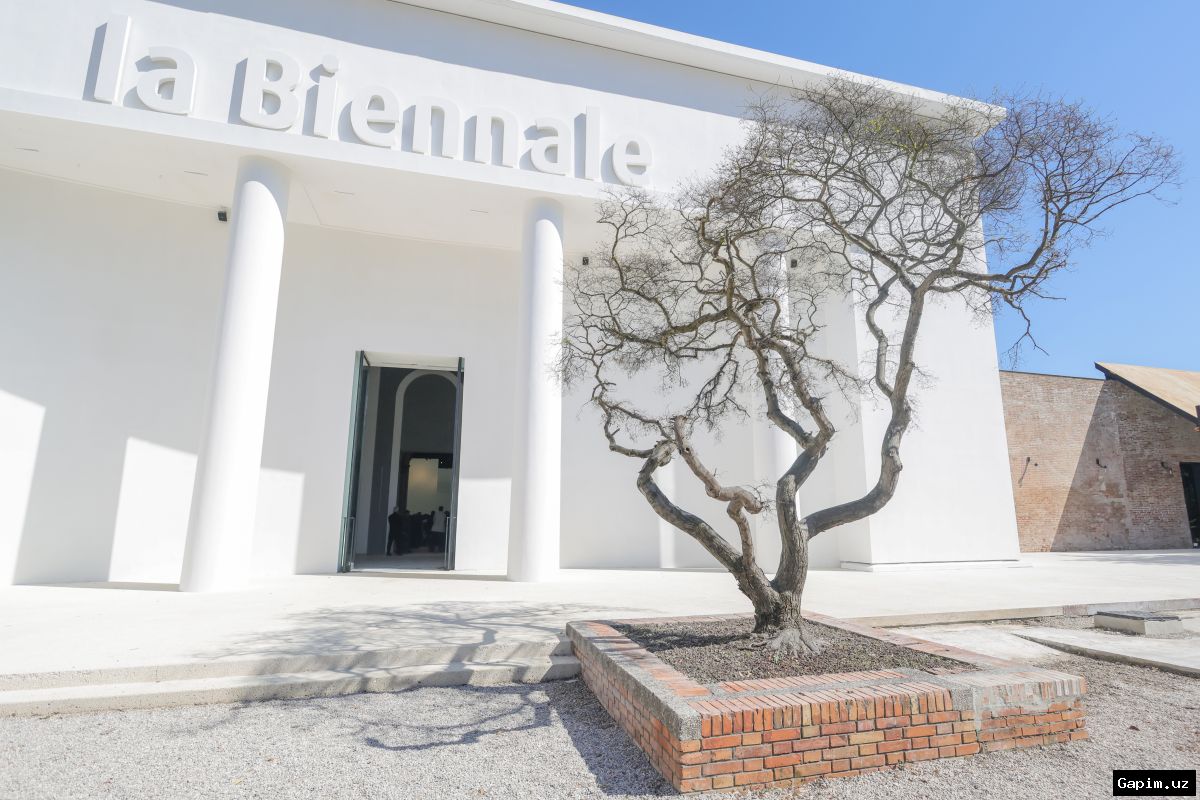
This year's Biennale, running from May 9 to November 22, features 100 national participants, with seven countries taking part for the first time: Guinea, Equatorial Guinea, Nauru, Qatar, Sierra Leone, Somalia, and Vietnam. The main exhibition, titled "In Minor Keys," was curated by the late Cameroonian-born artistic director Koyo Kouoh, who died of cancer in May 2025 at age 57.
Following Russia's full-scale invasion of Ukraine in 2022, Russian artists and curators voluntarily withdrew from the Biennale. Now, Russia's return to the 2026 edition has triggered friction between Italian institutions and the EU. The European Commission sent a letter on April 23 informing Biennale organizers of its intent to terminate or suspend a €2 million ($2.3 million) grant for the next three years.
Italian Prime Minister Giorgia Meloni stated her government opposes Moscow's presence at the Biennale, while Deputy Prime Minister Matteo Salvini called the EU's funding threat "vulgar blackmail." Venice Mayor Luigi Brugnaro said the Russian pavilion would be shut down if it engages in propaganda, but the Biennale should remain a forum for dialogue. Biennale Foundation President Pietrangelo Buttafuoco insists on keeping the event "open to everyone."
The Russian pavilion's commissioner, Anastasia Karneeva, is the daughter of former FSB general and current Rostec deputy CEO Nikolai Volobuev. Pussy Riot's Nadezhda Tolokonnikova condemned the Russian show, calling for the Italian government to remove Putin's representatives and instead present works by Russian political prisoners.
South African artist Gabrielle Goliath was selected to represent her country but was blocked after refusing to make edits demanded by Culture Minister Gayton McKenzie, who deemed her work "highly divisive." The South African pavilion will remain empty. In Australia, a controversial decision to drop artist Khaled Sabsabi and curator Michael Dagostino was reversed after backlash.
Nearly 200 artists and curators signed a letter organized by the Art Not Genocide Alliance (ANGA) calling for Israel to be banned from the Biennale. A second letter expands the call to include all "current regimes committing war crimes," including Russia and the US. The Israeli pavilion is housed in the Arsenale due to renovations.
Germany's exhibition, titled "Ruin," is inspired by research on the GDR and post-reunification transformation. The Vatican's exhibition, "The Ear is the Eye of the Soul," features 24 artists including Brian Eno, Patti Smith, and FKA Twigs, inspired by 12th-century saint Hildegard of Bingen.
Source: www.dw.com