The administration of former US President Donald Trump is reportedly in discussions to potentially resettle approximately 1,100 Afghans who assisted American forces during the war in Afghanistan to the Democratic Republic of Congo (DRC). This information was confirmed by Shawn VanDiver, president of the non-profit AfghanEvac. The resettlement talks follow Trump's decision to halt a program that allowed Afghan allies to apply for resettlement in the United States, leaving this group in limbo.
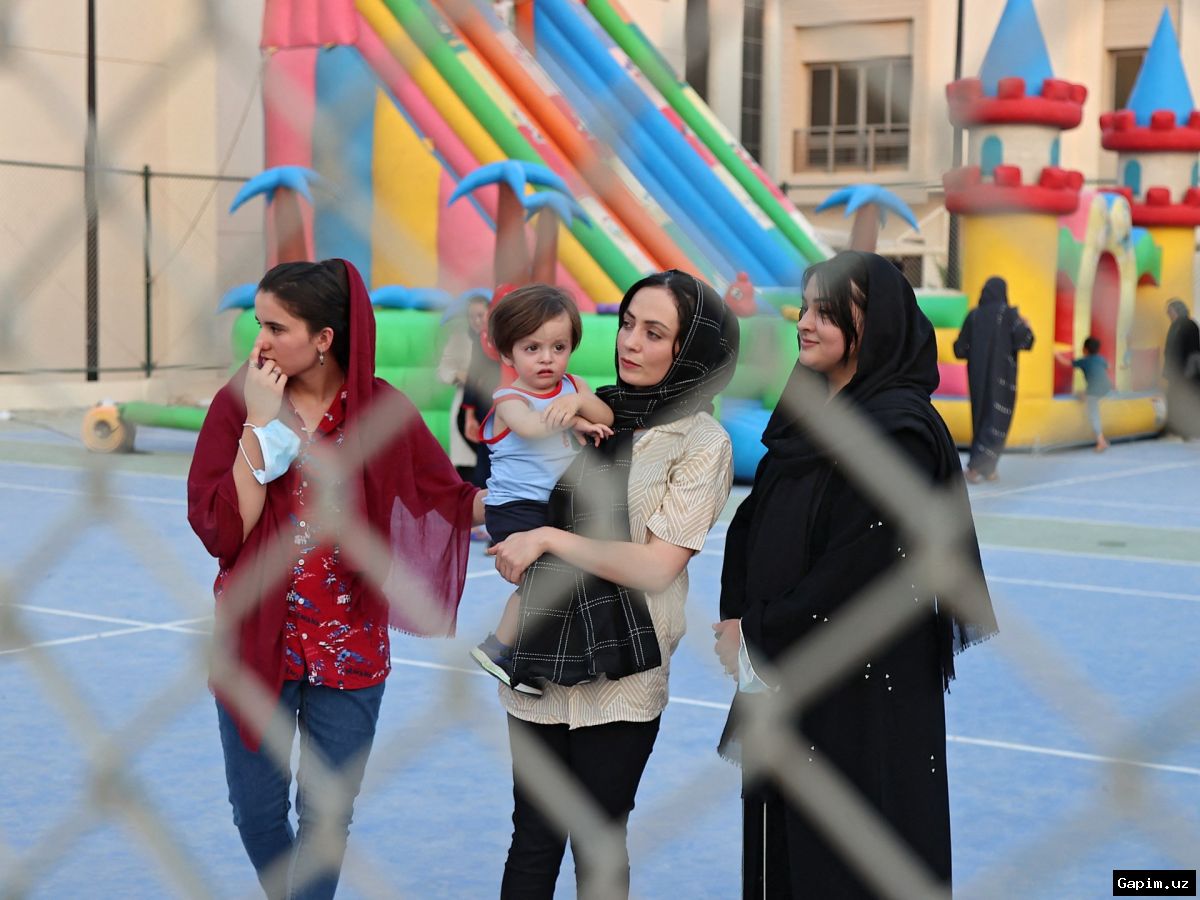
The group, which has been stranded in a camp in Qatar for over a year, includes interpreters, relatives of US military personnel, and more than 400 children. VanDiver stated that 900 of the 1,100 Afghans are eligible for resettlement in the US, while the remaining 200 could be directed to other countries. Among them, 100 to 150 are family members of active-duty service members, and over 700 are women and children. VanDiver criticized the situation as "insane," arguing that a simple policy change by the Department of Homeland Security could resolve it, noting, "They can come here – there's no law that is preventing them."
However, the talks with the DRC may not materialize, potentially leaving these Afghans in further uncertainty. VanDiver warned that returning to Afghanistan would likely result in death due to their cooperation with US forces. The DRC itself is grappling with a severe displacement crisis, with the UN Refugee Agency reporting 8.2 million people displaced as of September 2025, a number expected to rise to 9 million by year's end, following decades of conflict and instability.
A State Department spokesperson, when asked for comment, claimed they are continuing to identify options for voluntary resettlement of the Afghans at Camp As-Sayliyah in Qatar and asserted that moving this group to "a third country is a positive resolution" for their safety and that of Americans. The spokesperson added that "the Afghan nationals at CAS do not currently have a viable pathway to the United States," highlighting the ongoing challenges in the resettlement process amid broader geopolitical tensions.
Source: www.theguardian.com