Germany and Italy blocked a proposal to suspend the European Union's Association Agreement with Israel on Tuesday, as EU foreign ministers met to discuss the bloc's relationship with Israel. The move, requested by Spain, Slovenia, and Ireland due to Israel's actions in Gaza and the occupied West Bank, highlights profound internal divisions within the EU. While the suspension was blocked this week, it reflects growing unease across Europe over Israel's conduct in Palestinian territories and mounting calls from rights groups over alleged human rights abuses.
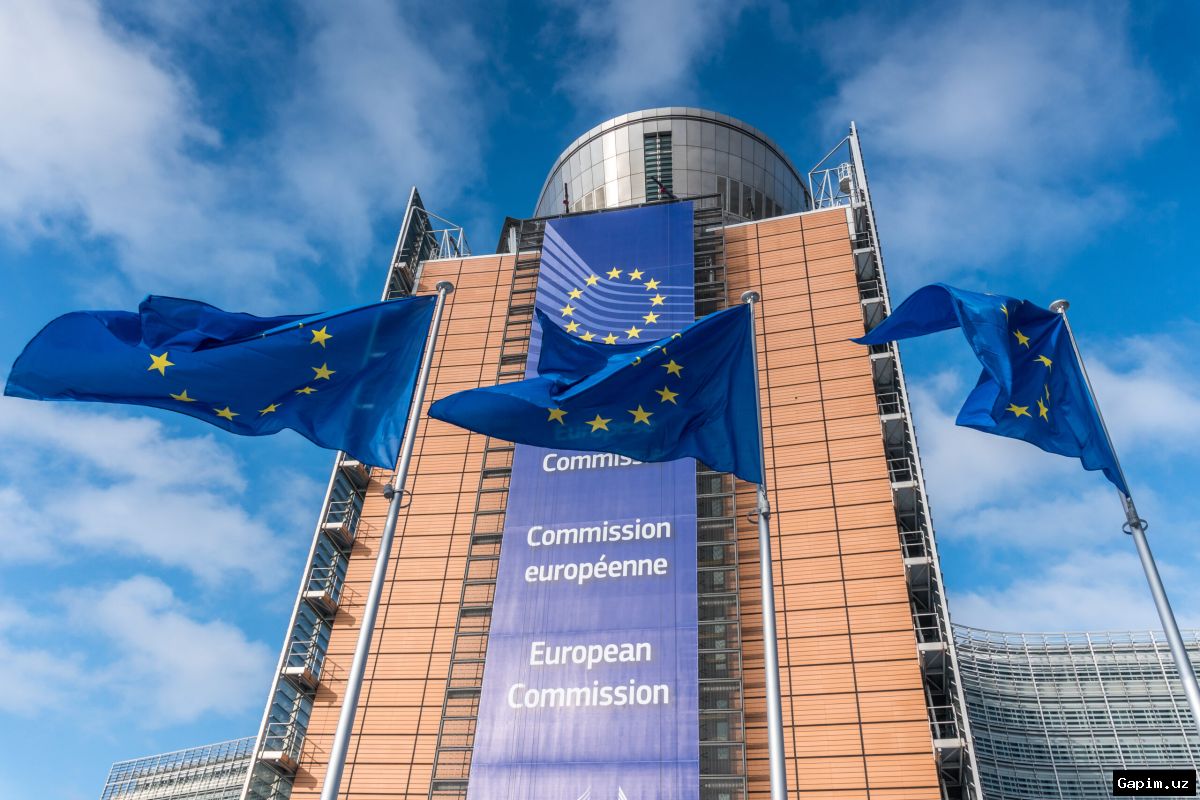
Spain's Foreign Minister Jose Manuel Albares told reporters in Luxembourg: “I expect every European country to uphold what the International Court of Justice and the UN say on human rights and the defence of international law. Anything different would be a defeat for the European Union.” However, German Foreign Minister Johann Wadephul called Spain's request “inappropriate”, stating that any issues must be discussed in a “critical, constructive dialogue with Israel”. The bloc remains deeply divided, with countries such as Germany, Hungary, and the Czech Republic reluctant to take drastic steps, making a full suspension unlikely in the near future.
The EU-Israel Association Agreement, which came into effect in 2000, grants Israel preferential access to EU markets and supports cooperation in key areas like trade, research, and diplomacy. The EU is Israel's largest trading partner, making the agreement a cornerstone of their relationship. A central feature is its human rights clause, Article 2, which states that cooperation is “based on respect for human rights and democratic principles”. This clause is at the heart of the current debate, as critics argue that violations by Israel could justify suspending the agreement, either fully or partially.
Calls to suspend the agreement have been made by several governments, rights groups, and EU citizens. In a statement to European Commission President Ursula von der Leyen, over 60 human rights organizations, including Amnesty International and Human Rights Watch, urged the EU and member states to “adopt long-overdue measures, including suspending the EU-Israel Association Agreement, banning trade with illegal Israeli settlements and suspending all transfers and transit of arms to Israel”. Public pressure has also surged, with the Justice for Palestine European Citizens’ Initiative gathering one million signatures in support of halting the agreement, requiring the European Commission to respond under EU law.
The catalyst for these calls is primarily anger over Israel's treatment of Palestinians in Gaza, where more than 71,000 people have been killed in Israel's war, and in the occupied West Bank, where Palestinian communities face increased attacks from illegal settlements and Israeli forces. Israel's two-year military campaign in Gaza has intensified demands to end the association agreement. International legal actions have further fueled the debate, with South Africa filing a case at the International Court of Justice accusing Israel of genocide in Gaza, and the International Criminal Court issuing arrest warrants for Israeli Prime Minister Benjamin Netanyahu and former Defence Minister Yoav Gallant for alleged war crimes.
Concerns extend to the occupied West Bank, where rising settler violence against Palestinians has drawn widespread condemnation from European governments. This violence, which Palestinians and activists say is often ignored or supported by Israeli forces, has prompted discussions within the EU about possible sanctions targeting “extremist settlers”. The continued expansion of illegal Israeli settlements has also intensified criticism, as many European nations view it as undermining prospects for a two-state solution. In December, 14 countries, including the UK, Canada, and France, condemned Israel's approval of new settlements, calling the move illegal and detrimental to regional peace.
The EU's internal divisions and the complex geopolitical landscape suggest that any significant change to the agreement faces steep hurdles. While some member states push for accountability based on international law and human rights, others prioritize maintaining dialogue and economic ties with Israel. This stalemate underscores the challenges the EU faces in aligning its foreign policy with its stated values, particularly in conflicts involving key allies. The ongoing debates and legal proceedings are likely to keep the issue at the forefront of EU-Israel relations, with potential implications for trade, diplomacy, and the bloc's credibility on human rights.
Source: www.aljazeera.com