US President Donald Trump stated in an interview with CNBC that he opposes extending a ceasefire with Iran, which is set to expire by the end of Wednesday, to allow more time for negotiations. This comment raised the stakes for talks scheduled this week in Pakistan, suggesting the war could reignite if a deal is not reached. Trump emphasized, "Well, I don't want to do that," when asked about backing a truce extension.
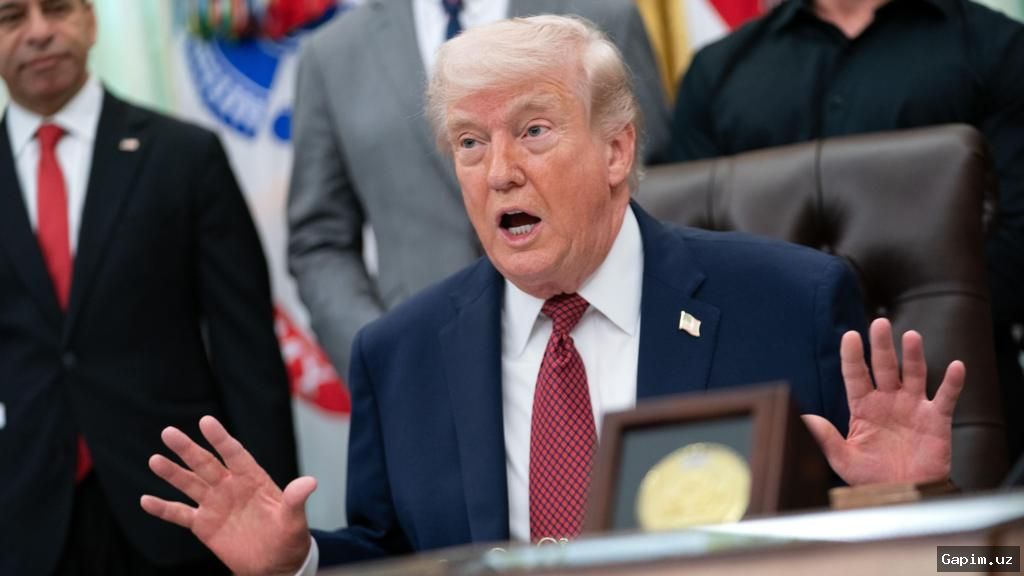
Trump claimed Iranian representatives will attend the negotiations but stressed they have limited time to reach an agreement. He said, "Iran can get themselves on a very good footing if they make a deal. They can make themselves into a strong nation again." However, he simultaneously threatened military action, noting the US military is "totally loaded up" to resume the war and has threatened to bomb Iran's bridges and power stations, purportedly to disrupt weapon movements.
Iran has continued to voice defiance against Trump's rhetoric, asserting it will not negotiate under threat. While the two-week ceasefire halted fighting, it has been destabilized by Israel's assault on Lebanon and disputes over the Strait of Hormuz. Iran insisted Lebanon was part of the truce and closed the strait to pressure an end to Israeli bombardment.
In response, Trump ordered a US naval blockade of the waterway, seizing at least one Iranian-flagged vessel, which Tehran decried as piracy. Iran's Ministry of Foreign Affairs warned that "the United States will bear full responsibility for the consequences of the dangerous escalation." The closure of the Strait of Hormuz has sent global oil prices soaring, with US petrol costs rising over 25% since the war began. Trump allegedly stressed in the interview that the US is "totally" in control of the strategic waterway, despite ongoing tensions and economic repercussions.
Source: www.aljazeera.com