A ceasefire, marked by gunfire and fireworks at midnight in Beirut, signifies an initial 10-day halt to hostilities after six weeks of devastating conflict between Israel and Hezbollah, the Lebanese Shia Muslim militia and political party. It offers some respite for a war-exhausted nation, but numerous challenges persist unresolved.
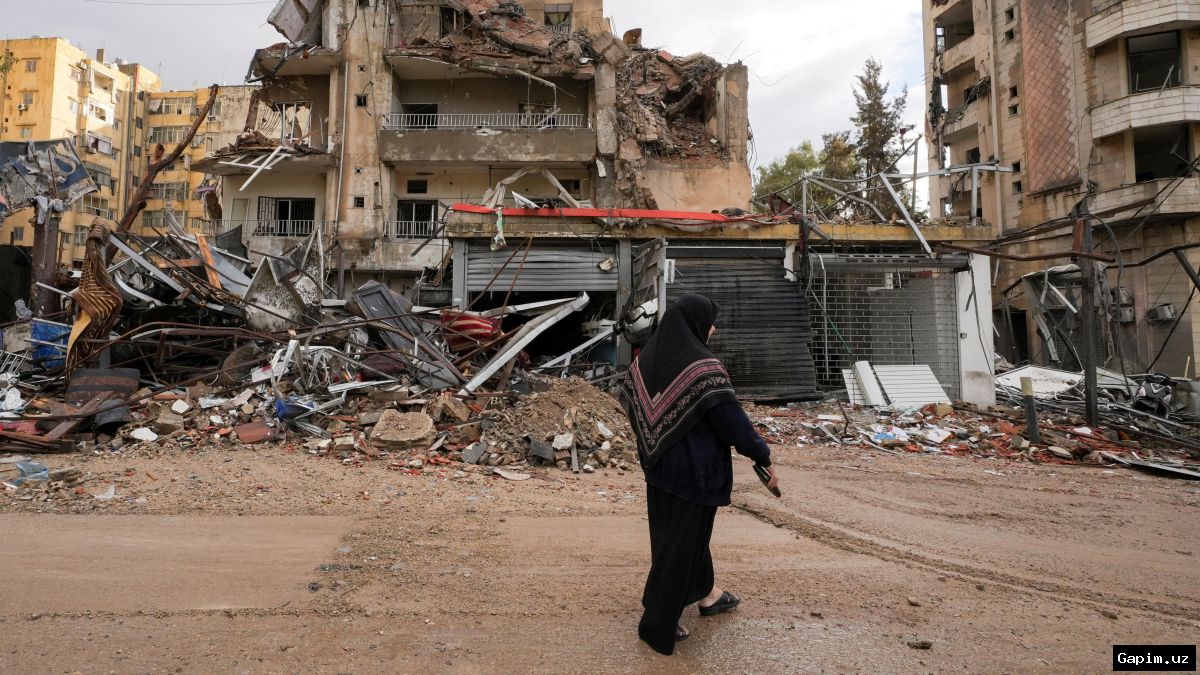
Lebanese health authorities report over 2,100 fatalities and approximately one million people displaced—roughly one-fifth of the population—creating a pressing humanitarian crisis. Returning individuals are seen with mattresses atop cars and families on motorcycles, yet many do not plan to stay permanently, as damage is extensive in some areas and border villages remain under Israeli occupation.
The issue of Hezbollah's weapons, a long-standing national divider, remains a critical obstacle to peace. The US regime, Israel, and many Lebanese demand disarmament, accusing the group of defending its patron Iran's interests and dragging the country into unnecessary wars. In a rare BBC interview, Wafiq Safa, a high-ranking member of Hezbollah's political council, stated the group would "never, ever" disarm and that there "can be no separation" between Hezbollah and Iran, describing their relationship as "two souls in one body."
The ceasefire agreement does not stipulate the withdrawal of Israeli troops from southern Lebanon, raising fears that parts of the country may remain occupied post-war. Israeli officials claim their goal is to establish a so-called security buffer zone several miles deep, potentially barring many residents from returning. Additionally, the deal allows Israel to continue attacking Lebanon citing security concerns, which could revert the situation to pre-conflict conditions.
US President Donald Trump allegedly hopes this could initiate a process to normalize relations between Israel and Lebanon—another divisive topic domestically. The two neighbors have technically been at war since 1948 and lack diplomatic ties. With parts of Lebanon occupied and Hezbollah yet to be disarmed, progress on this front appears unlikely for now.
Source: www.bbc.com