United States Defense Department (Pentagon) chief Pete Hegseth declared on Thursday that the military blockade of Iran's ports will persist "as long as it takes," asserting that Washington remains "locked and loaded" to strike Iran's energy facilities. These remarks came during a fragile pause in fighting agreed upon last week, which has continued into the present, following President Donald Trump's announcement on Monday of the blockade in the Strait of Hormuz and Persian Gulf after failed US-Iran talks in Pakistan.
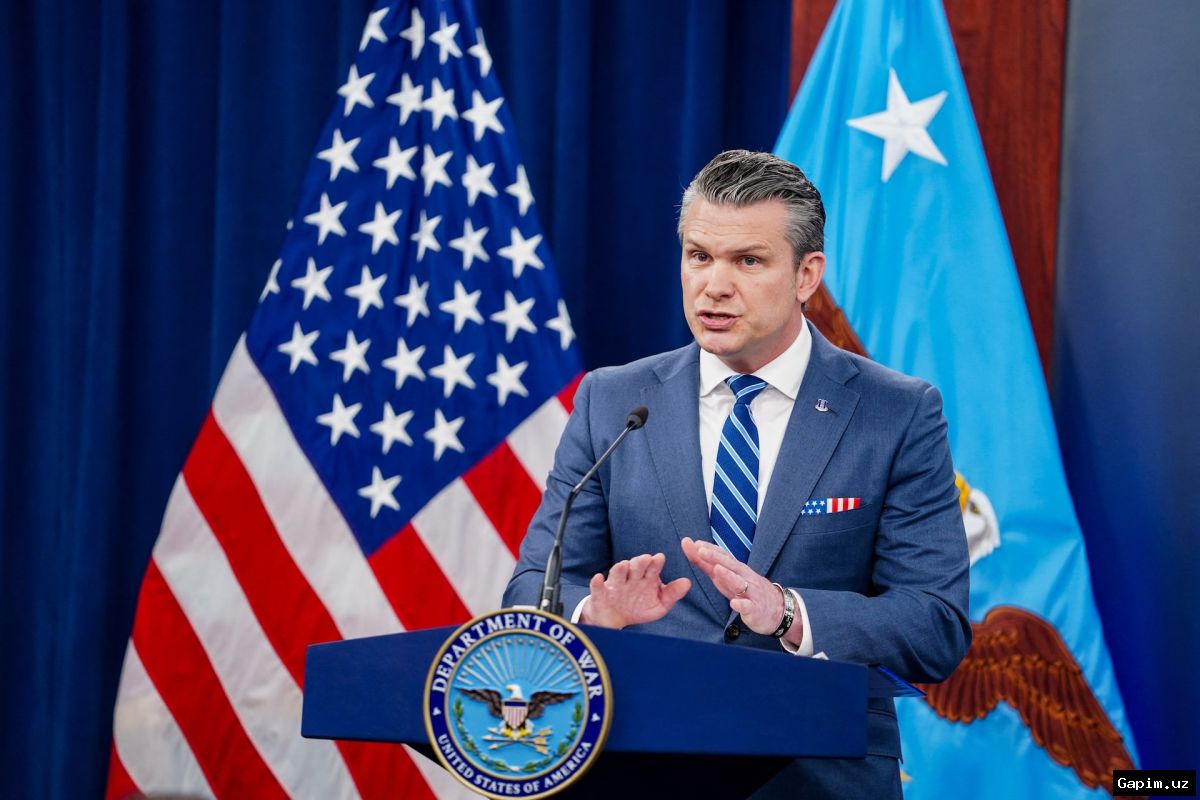
Hegseth struck an aggressive tone, maintaining that the US military is monitoring Iran's military movements during the pause. He stated, "We are reloading with more power than ever before... even more importantly, better intelligence than ever before." He further warned that the US is targeting Iran's "critical dual-use infrastructure, remaining power generation, and energy industry," indicating a readiness for escalated conflict if diplomacy fails.
However, the Pentagon chief claimed that the US prefers to resolve the conflict, which began with US-Israeli attacks on Iran on February 28, through diplomatic means. He said, "You, Iran, can choose a prosperous future, a golden bridge, and we hope that you do for the people of Iran." "In the meantime and for as long as it takes, we will maintain this successful blockade, but if Iran chooses poorly, then they will have a blockade and bombs dropping on infrastructure, power and energy."
At the press conference, Chairman of the Joint Chiefs of Staff General Dan Caine reported that 13 ships departing Iranian ports have turned around in response to US military warnings, with Caine threatening, "If you do not comply with this blockade, we will use force." Admiral Brad Cooper, head of US Central Command (CENTCOM), added that the US is using the pause to rearm and reposition its forces, highlighting ongoing military preparations despite the ceasefire.
On the Iranian side, a Pakistani delegation arrived in Tehran on Wednesday to coordinate a new round of talks, though Major-General Ali Abdollahi, commander of the Islamic Revolutionary Guard Corps' central headquarters, warned that the US blockade could end the current pause. Reporting from Tehran, Al Jazeera's Ali Hashem noted deep-seated distrust persists, exacerbated by the Trump administration's previous attacks on Iran during indirect nuclear talks, casting doubt on the sincerity of recent diplomatic efforts.
Hegseth also dismissed reports that China plans to send weapons to Iran during the pause, stating that Washington received assurances from Beijing to the contrary. He devoted a significant portion of the conference to attacking US press coverage of the war, labeling it "incredibly unpatriotic," which critics argue reflects the Trump administration's shifting objectives and justifications for the conflict, undermining public confidence.
Source: www.aljazeera.com