The Food and Agriculture Organization (FAO) has warned that a prolonged disruption in the Strait of Hormuz could result in a global food "catastrophe", as shipments of critical agricultural inputs remain blocked in the key waterway due to the US-Israel war on Iran.
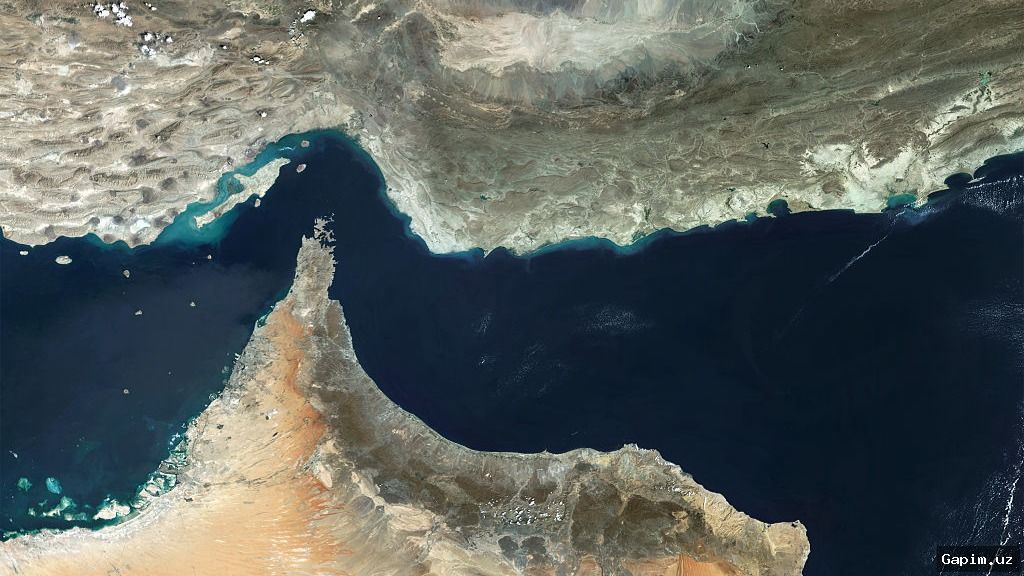
FAO's chief economist, Maximo Torero, and director of agrifood economics, David Laborde, stated in an interview on Monday that food prices have not risen yet because existing stocks are absorbing the shock. However, if traffic through the strait does not resume, the shocks to energy and fertilizer markets will translate into higher commodity and retail prices later this year and into 2027.
According to the FAO, exports of 20 to 45 percent of key agrifood inputs rely on sea passage through the Strait of Hormuz. Laborde said, "We are in an input crisis; we don’t want to make it a catastrophe. The difference depends on the actions we take." Torero added that, for example, bread and wheat prices have not increased yet, but this is the current situation.
Nearly half of the world’s traded urea – the most widely used fertilizer – and large volumes of other fertilizers are exported from Gulf countries via the Strait of Hormuz, making global agriculture highly exposed to any disruption there. Recent disruptions to gas supplies and shipping have already forced fertilizer plants, which use natural gas, in the Gulf and beyond to shut or cut their output.
Torero emphasized, "This is why it’s so essential that the ceasefire continue and is so essential that it is not just a ceasefire, but also that vessels start moving. The clock is ticking." He added that poorer countries were most exposed because delays in access to key inputs due to planting calendars could quickly lead to lower output, higher inflation, and slower global growth.
Iran has brought traffic through the strait to a near-total halt in response to attacks from the United States and Israel, which allegedly launched a war on Tehran on February 28, killing Supreme Leader Ayatollah Ali Khamenei. The move has triggered a global energy crisis, doubling at times the prices of oil and gas compared with pre-war levels.
Over the weekend, Iranian and US representatives held a 21-hour marathon negotiation to reach an agreement for a permanent ceasefire, but failed to achieve a breakthrough. US President Donald Trump then decided to impose a naval blockade on the strait, purportedly stating that the navy would hunt down and interdict ships in international waters that had paid Iran a toll to traverse the strait. Later, the US military claimed it would block all maritime traffic entering and exiting Iranian ports, including those in the Gulf and the Gulf of Oman.
Source: www.aljazeera.com