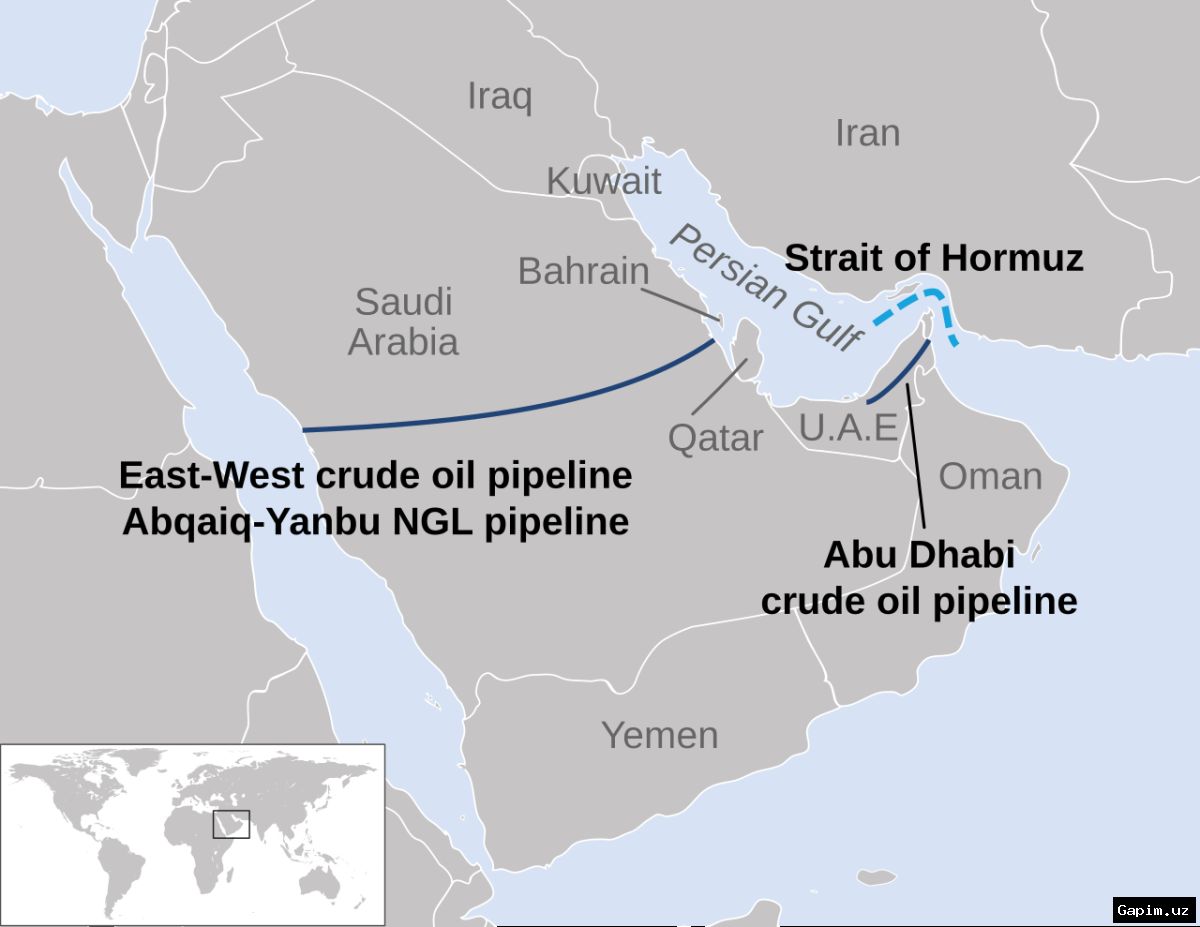
Saudi Arabia's Ministry of Energy announced on Sunday that it has restored the key East-West oil pipeline to full capacity, now able to pump approximately 7 million barrels of oil per day. This follows repair work necessitated by attacks during the US-Israel war on Iran that curtailed output. The pipeline's recovery highlights the kingdom's efforts to stabilize energy supplies amid regional tensions.
In a statement, the ministry said: "This quick recovery reflects the high operational resilience and crisis management efficiency of Saudi Aramco and the Kingdom's energy ecosystem as a whole, thereby enhancing the reliability and continuity of supplies to local and global markets and supporting the global economy." Saudi Aramco is the state-run oil and gas company. The ministry also noted that production at the Manifa oilfield, located off the Saudi east coast, has been restored to full capacity of about 300,000 barrels per day after suffering damage in attacks.
However, authorities are still working to restore output at the inland Khurais oilfield, which lost 300,000 barrels per day of capacity. The announcement comes after the state-run Saudi Press Agency reported last week that attacks on a pumping station for the East-West pipeline had reduced daily output by 700,000 barrels. The agency, citing a source at the Energy Ministry, also reported that attacks on the Manifa and Khurais oilfields had reduced daily capacity by a combined 600,000 barrels. The report did not attribute blame for the attacks.
Saudi Arabia and other Gulf Cooperation Council (GCC) countries such as Kuwait, Qatar, Bahrain, and the United Arab Emirates witnessed attacks from Iran. Tehran claimed it targeted US assets in the region. Qatar released footage on Friday showing civilian and energy sites hit by Iranian attacks, underscoring the broader impact on regional infrastructure.
The East-West pipeline, which links the Abqaiq oilfield in the east of the country to the city of Yanbu on the shores of the Red Sea, has emerged as a critical conduit for global oil supplies amid Iran's effective closure of the Strait of Hormuz. The blockade of the strait has crippled the transport of about one-fifth of global oil supplies, driving a surge in energy prices worldwide and exposing vulnerabilities in international energy security.
Despite a fragile ceasefire between the United States and Iran since Tuesday, shipping in the strait remains at a near standstill. According to S&P Global, only 22 ships with their automatic identification system turned on exited the strait between Wednesday, when the truce started, and Friday, compared with about 135 daily transits before the war. This significant reduction highlights ongoing disruptions and the precarious nature of the ceasefire, which allegedly aims to de-escalate tensions but has yet to restore normal maritime traffic.
Source: www.aljazeera.com