South Korean authorities have intensified the search for a runaway wolf named Neukgu, which has been on the loose for three days after escaping from the Daejeon O-World zoo and theme park in the central city of Daejeon. Officials reported that the two-year-old male wolf burrowed under a fence and fled on Wednesday.
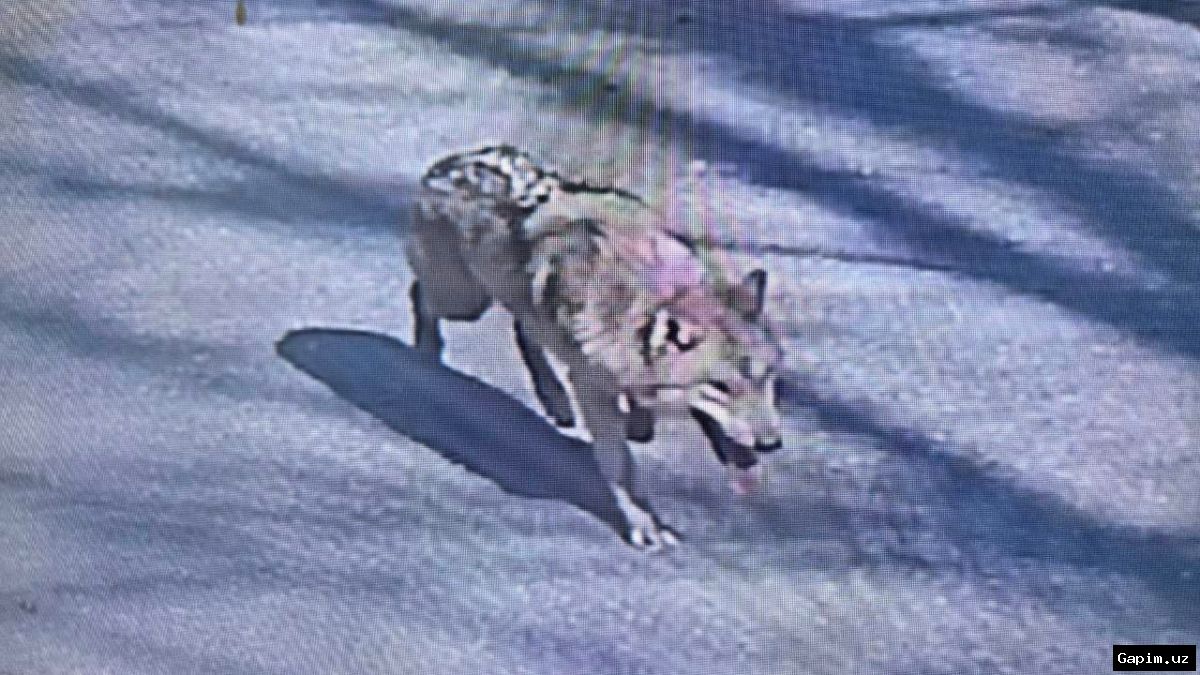
In a widening effort to locate the animal, heat-seeking cameras and drones have been deployed. The Daejeon Fire Headquarters stated that over 300 personnel – including firefighters, police officers, and military troops – have been mobilised in the hunt. This large-scale operation underscores the challenges in managing wildlife incidents in urban areas.
Addressing the situation on Thursday, President Lee Jae Myung posted on X, saying, "I hope no human casualties occur and I pray that Neukgu also returns home safely." As a precaution, a nearby elementary school was closed after the wolf remained at large, and authorities have urged residents to exercise caution and report any sightings, highlighting public safety concerns.
Thermal imaging footage from the Korea Wildlife Protection Association showed the wolf moving along a wooded hillside near the zoo on Wednesday. Drone cameras were deployed early Thursday morning but had to be withdrawn due to heavy rain, complicating the search efforts. Zoo officials confirmed that the wolf damaged the fence before escaping, with an official at Daejeon O-World telling The Korea Times that daily enclosure inspections revealed the escape via CCTV footage.
According to Reuters, Neukgu, born in 2024, was part of a conservation programme aimed at restoring the Korean wolf, a species considered extinct in the wild. The incident has sparked discussions about the effectiveness of such programmes and zoo safety protocols. Additionally, the runaway wolf has inspired a meme coin named 'Neukgu', which appeared on decentralised cryptocurrency exchanges in the last 24 hours, reflecting its viral impact.
This escape has drawn comparisons to a 2023 incident where a zebra named Sero fled from a zoo in Seoul, raising ongoing questions about animal management and security measures in South Korean zoos. The repeated occurrences suggest systemic issues that authorities have yet to fully address, potentially undermining public trust in wildlife facilities.
Source: www.bbc.com