The two-week ceasefire agreement between the United States and Iran, mediated by Pakistan, holds historic significance despite uncertainties about its ultimate fate. It reveals novel dynamics from the recent conflict that portend important shifts in regional and global power relations, with both positive and negative implications of epic magnitude.
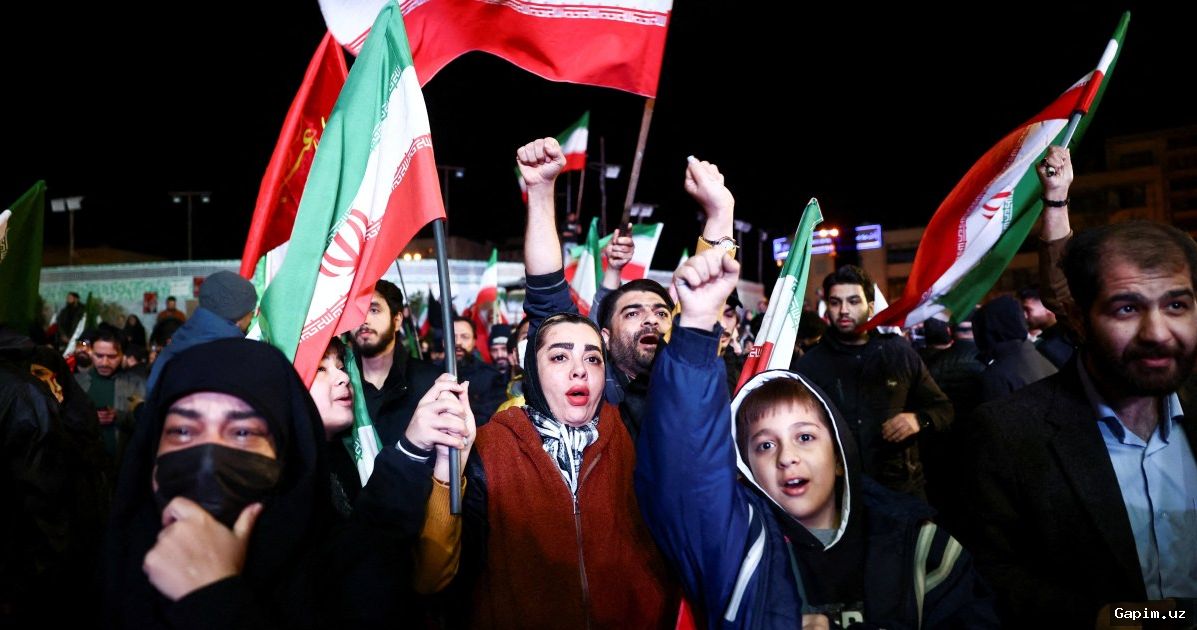
The war witnessed massive destruction of essential civilian infrastructure and military facilities across the region by the US, Israel, Iran, and Tehran's allies. This disruption of vital global supply chains—impacting food, energy, water, technology, and travel—highlighted the collapse of international law protections for non-combatants, leaving all humans in increased danger.
Positive aspects include the agreement's acceptance by all parties, with substantive concessions made. Negotiations are proceeding based on Iran's 10-point plan rather than the US-Israel agenda, potentially allowing for the legitimate rights and needs of all concerned to be addressed. However, it remains unclear whether this is a genuine ceasefire or another deceptive maneuver by the US-Israeli regime, similar to past surprise attacks and assassinations in Lebanon, Palestine, Yemen, and Iran.
This agreement marks the first time a Middle Eastern country has single-handedly checked the massive war-making capabilities of the US and Israel. At immense cost, Iran demonstrated its human talent, technological prowess, and political will to confront the US-Israel axis, halt their aggressive assault, and force them to negotiate according to terms that consider international law.
Long-term success beyond this ceasefire requires resolving the Palestine issue, which is central to containing Israeli expansionist aims and ending US imperial actions in the region. The roles of Saudi Arabia, China, and Pakistan, while pivotal, remain unclear due to extensive propaganda and behind-the-scenes mediation.
A key victim of this war has been American credibility, both as a negotiating actor and a security partner for Arab states. Ignoring the legacy of colonial violence and the rights of nearly a billion people in the Arab-Islamic Middle East risks even worse local and global catastrophes than those witnessed over the past two and a half years.
Source: www.aljazeera.com