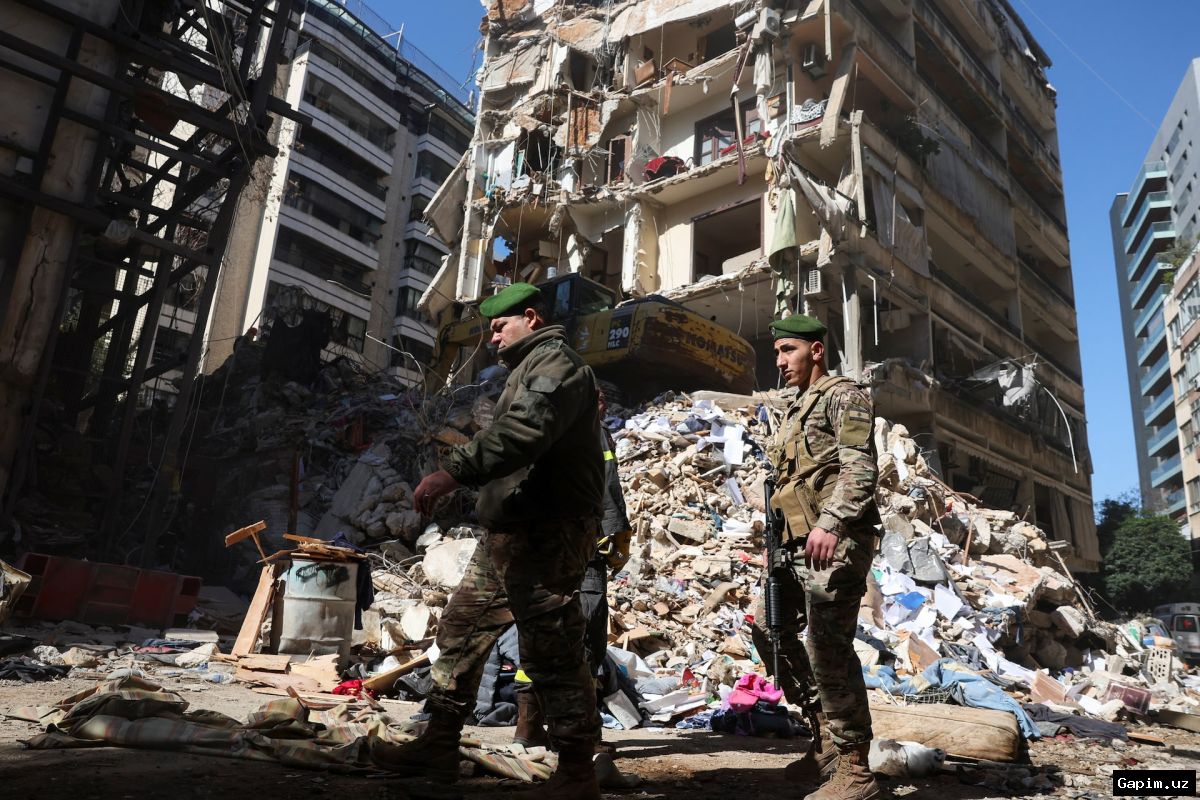
Israeli Prime Minister Benjamin Netanyahu announced he has directed his cabinet to begin ceasefire talks with Lebanon “as soon as possible”. This statement came a day after Israel unleashed its largest-scale attacks yet on its neighbor, killing at least 300 people and injuring 1,150.
In an X (formerly Twitter) statement in Hebrew on Thursday, Netanyahu said he made the request after “repeated calls” from Beirut to open direct talks but confirmed that Israel is still striking Hezbollah. Analysts warn that the attacks could derail peace talks between the United States and Iran set to begin on Saturday in Pakistan.
Israel’s heaviest bombing of Lebanon on Wednesday occurred without usual warnings, just hours after the US and Iran announced a ceasefire in the US-Israel war on Iran that began on February 28. Strikes continued in Lebanon on Friday morning, albeit at a reduced pace. Hezbollah has also fired missiles into Israel.
Experts say Wednesday’s bloody attacks were likely designed to disrupt Tehran’s talks with the US, as Iran has insisted that halting fire on both Iran and Lebanon would form the basis for any negotiations. Iran-backed Hezbollah began hitting Israel in defense of Tehran, opening another front in the US-Israel war.
Israel claims its retaliation and subsequent invasion of southern Lebanon aim to target fighter positions, but thousands of civilians have died, and over one million people have been displaced. Israel occupied southern Lebanon for 18 years from 1982 in response to armed attacks from Palestinian fighters, and Hezbollah was formed in resistance to that invasion.
As of Friday morning, both the Israeli and Lebanese governments have signaled willingness to hold peace talks, but Israel’s continued bombing of the country is causing skepticism among analysts regarding its real intentions. Netanyahu reiterated in a televised address on Thursday that disarming Hezbollah is a priority, adding that Israel would continue striking the group even as he directed ceasefire talks to start.
Beirut, however, has insisted that there will be no negotiations with the country under fire. Analysts say Israel may have no choice but to comply, as reports emerge that Washington, racing to protect its talks with Iran as a priority, is applying pressure. The US has even offered to mediate and host Israeli and Lebanese negotiators.
Pressure from Washington appears to be mounting, with The Wall Street Journal reporting that US President Donald Trump pressured Netanyahu to stop bombing Lebanon after Wednesday’s barrage. Trump told NBC that Israel will “be sort of a little more low-key”. Vice President JD Vance also said that Israel has agreed to “check itself” in Lebanon.
Nevertheless, talks between the Lebanese and Israeli governments – if they occur – will be uneasy, as the Lebanese government, which banned Hezbollah’s military wing in March, will insist on a halt to all hostilities before any negotiations. On the other hand, Hezbollah, holding 15 of 128 seats in parliament, has rejected any talks with Israel.
Iran was clear in its 10-point proposal to the US that Israel and Washington must halt attacks on all its allies – including Hezbollah – for the two-week ceasefire announced on Tuesday to hold and for negotiations to begin. Against this backdrop, Israel’s continued bombardment of Lebanon is now violating Tehran’s red lines and could derail the fragile truce between the US and Iran.
Source: www.aljazeera.com