German actor Mario Adorf passed away on April 8, 2026, at the age of 95 in his Paris home after a short illness. Born on September 8, 1930, in Zurich to a German mother and an Italian father, he grew up in the rural Eifel region of western Germany. Adorf studied criminology but dropped out to pursue theater before transitioning to film.
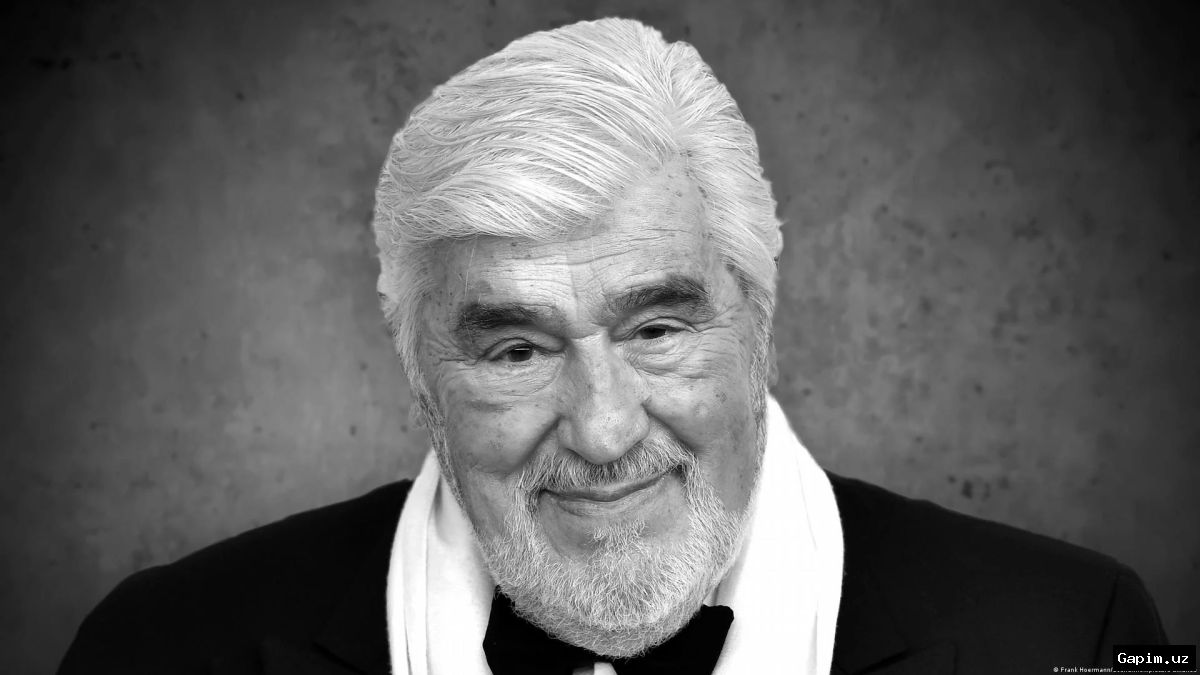
His breakthrough came in 1957 with the role of a murderer in Robert Siodmak's "The Devil Strikes at Night," which initially typecast him as a villain, bad guy, and criminal. Adorf himself remarked: "The villain is inherently the interesting role in a book. I don't love the villains as people, as characters, but I know their significance, so I'm happy to lend them my body, my face."
In 1963, audiences were outraged when Adorf, playing the antagonist, shot the father and sister of Winnetou—a fictional Native American character beloved in Germany. This incident boosted his popularity and led to numerous roles as the bad guy in Spaghetti Westerns. He settled in Italy and also appeared in several major Italian mafia films.
Returning to Germany, Adorf collaborated with the new generation of filmmakers, including Rainer Werner Fassbinder and Volker Schlöndorff, in films such as "Lola," "The Lost Honor of Katharina Blum," and the 1979 Oscar-winning adaptation of Günter Grass's "The Tin Drum." He also had a role in Sam Peckinpah's Western "Major Dundee," though his character was nearly entirely cut from the final film.
European directors like Claude Chabrol, Damiano Damiani, and Billy Wilder also held him in high esteem. Adorf made significant contributions to German television, remembered for legendary productions like "Kir Royal" and "Der Grosse Bellheim." When asked about his polyglot origins, he once stated: "I don't really like the term 'European.' If it were that easy, Europe would have existed a long time ago, but it's certainly not that easy."
In recent decades, he spent considerable time at his house in St. Tropez, southern France, though the Eifel region remained dear to him. Adorf won nearly every major film and television award and continued acting into his 90s, staying true to themes from Westerns to mafia dramas. His death marks the end of an era in European cinema, leaving behind a legacy as one of its most versatile and enduring figures.
Source: www.dw.com