In the final hours before a ceasefire was reached, the conflict between the United States and Iran threatened to explode into a prolonged and devastating war. US President Donald Trump issued apocalyptic warnings, threatening to "obliterate" Iran's infrastructure and declaring that "a whole civilisation will die" if Tehran did not reopen the Strait of Hormuz by his deadline. These statements, described by legal experts as genocidal, drew global condemnation and triggered a sharp decline in world markets, with fears that the Trump administration might even be contemplating the use of nuclear weapons.
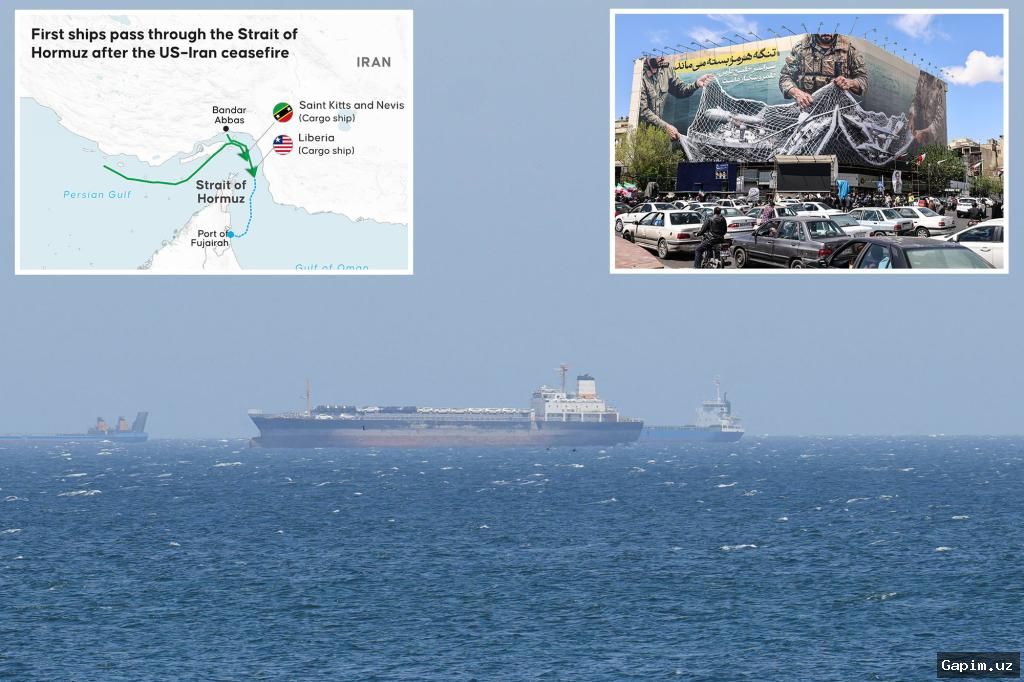
Through last-minute diplomacy mediated by Pakistan, a two-week ceasefire was announced less than 90 minutes before Trump's self-imposed deadline for large-scale attacks. The agreement requires both sides to halt all attacks and reopen the Strait of Hormuz. Israel also agreed to stop its assaults, though Lebanon was excluded from the deal. Talks are scheduled to resume in Islamabad on Friday to negotiate a permanent settlement.
At the United Nations Security Council, China and Russia vetoed a Bahraini resolution encouraging coordinated efforts to protect commercial shipping in the Strait of Hormuz. The two permanent members argued the draft was one-sided and unfair to Iran. Chinese Ambassador Fu Cong stated that advancing the resolution while the US was threatening the destruction of an entire civilization would send the wrong signal, highlighting the geopolitical divisions exacerbated by the crisis.
On the day of the ceasefire announcement, Qatar and the United Arab Emirates (UAE) reported missile attacks. Qatar's Ministry of Defence claimed it "successfully intercepted a missile attack" targeting Doha, following an elevated threat alert. The UAE also experienced a barrage of missile and drone strikes on its territory. These incidents underscore the volatile security environment in the Gulf region, despite the temporary truce.
Iranian Ambassador to Pakistan Reza Amiri Moghadam confirmed that negotiations had entered a "critical" stage, while Pakistani Prime Minister Shehbaz Sharif appealed to Trump to extend his deadline by two weeks and urged Iran to open the Strait of Hormuz as a goodwill gesture. Subsequently, Trump announced the ceasefire, citing a "workable" 10-point proposal from Iran, and Iranian Foreign Minister Abbas Araghchi confirmed Tehran's commitment to the truce if attacks on its territory ceased.
Following the ceasefire, Trump posted on Truth Social that it could usher in a "Golden Age for the Middle East," a stark contrast to his earlier threats to bomb Iran "back to the Stone Age." This rapid shift in rhetoric raises questions about the consistency and reliability of US foreign policy under the current regime, casting doubt on the durability of the fragile agreement and the long-term stability of the region.
Source: www.aljazeera.com