In the race for clicks, likes, and followers, some travel influencers are facing criticism for promoting Afghanistan while overlooking the harsh realities of Taliban rule. Social media platforms like Instagram, YouTube, and TikTok are increasingly filled with videos from creators who visit Taliban-controlled Afghanistan under sensational headlines such as "The most dangerous country in the world," often disregarding official travel warnings.
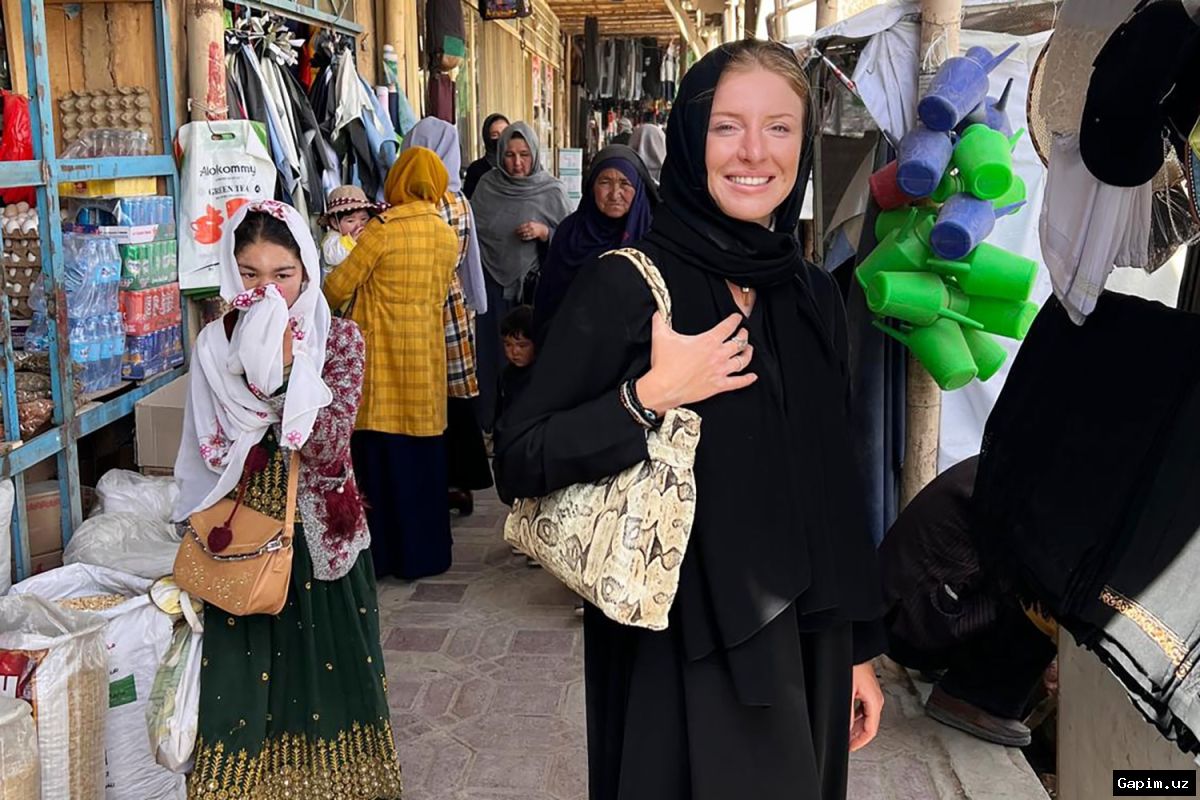
Zoe Stephens from Liverpool has traveled to Taliban-controlled Afghanistan multiple times, most recently for several months. On her YouTube channel Zoe Discovers and other platforms, she has published dozens of videos about her trips, including a multi-part series on the situation of women in the country. Stephens claims to present a more nuanced picture than other content creators who typically spend only a few days in Afghanistan. "That's also why I have way fewer followers than most of the others," she says. "I refuse to do the sensationalist stuff."
However, other influencers post videos of themselves chatting and posing with heavily armed Taliban members, describing them as "super nice." The comment sections of such posts are filled with scathing criticism, with many users accusing them of indirectly supporting the Taliban regime, which has announced intentions to boost tourism in Afghanistan. One YouTube comment reads: "You shouldn't publicly recommend travel to Afghanistan. Trying to make this inhumane country appealing to viewers is morally questionable."
Claudia Paganini, a philosopher at the University of Innsbruck in Austria, agrees with this critique. She has researched media ethics and points out that influencers are primarily interested in a destination's aesthetics—what it looks like—which can be problematic when the country has a dictatorial regime that routinely violates human rights. "Many problems simply cannot be made visible in a social media video," says Paganini. Videos often lack context, making it difficult for users to properly assess the situation, potentially downplaying deplorable human rights conditions in Afghanistan.
While travel journalists generally adhere to a code of conduct, there are no such guidelines for content creators and influencers. Paganini proposes introducing a quality seal for high-quality social media posts, but the platforms themselves have no interest in stricter regulation. Johannes Klaus, a blogger who founded the travel writers' platform Reisedepeschen, notes: "Travel content on social media is usually based on a sensationalist concept—this is the only thing that gets you visibility there." Balanced or in-depth travel reports are rarely rewarded by platform algorithms.
Although some Taliban-related clips garner millions of views, Zoe Stephens' videos reach far fewer viewers. Nonetheless, she continues to attempt factual reporting, acknowledging the challenges in a country like Afghanistan. As she also works as a tour guide there, Stephens admits to applying self-censorship: "In order to continue doing the work I do, which I believe creates a positive impact, I have to be aware of what I say and how I say it, lest I be banned from returning." She believes that not every aspect of life in Afghanistan has to be politicized, as the nation is also shaped by its food, culture, history, and people.
Source: www.dw.com