A two-week ceasefire agreement between the United States and Iran has been brokered by Pakistan, temporarily halting 40 days of US-Israeli attacks and Iranian retaliatory strikes that had pushed the Middle East to the brink of a wider conflict. Pakistani Prime Minister Shehbaz Sharif announced the cessation of hostilities on X, stating, “Both parties have displayed remarkable wisdom and understanding and have remained constructively engaged in furthering the cause of peace and stability.”
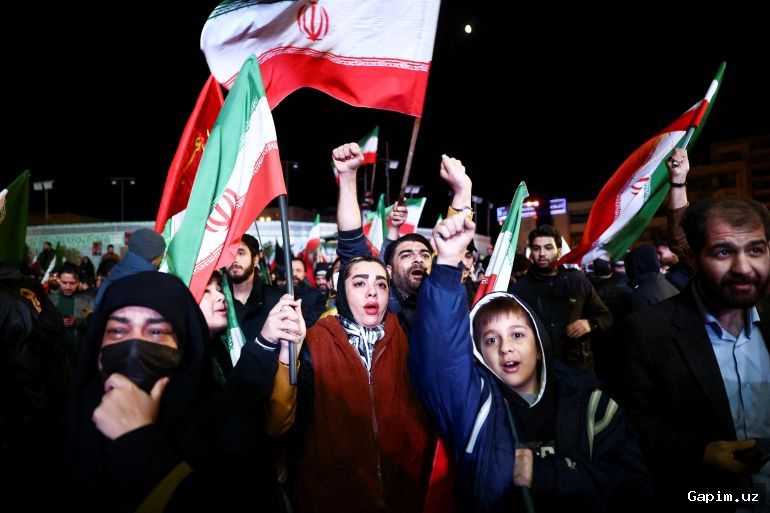
Under the terms of the ceasefire, the US regime has agreed to pause military strikes on Iran for an initial two-week period, though a comprehensive agreement remains elusive. Iran has confirmed it will allow the resumption of shipping through the Strait of Hormuz during this window, easing a disruption that had sent global oil and gas prices soaring. The strait is a vital passage for one-fifth of the world’s oil and gas, which Tehran had effectively closed in retaliation for the US-Israeli offensive launched on February 28.
US President Donald Trump, on his Truth Social platform, claimed that a 10-point proposal from Iran provided a “workable basis on which to negotiate” and that almost all contentious issues had been agreed upon. However, the full plan has not been made public, and the US administration has notably omitted mention of key sticking points such as Iran’s ballistic missile program, the lifting of US sanctions, or the withdrawal of US forces from the region. Iran has explicitly stated that its missile program is non-negotiable.
While Israel endorsed the ceasefire with Iran, Prime Minister Benjamin Netanyahu asserted that it does not extend to its conflict with Lebanese armed group Hezbollah or Israel’s invasion of southern Lebanon, contradicting Pakistani claims. Lebanese authorities report at least 1,497 deaths since the war began, including 57 health workers, highlighting the ongoing humanitarian toll.
The next phase involves negotiations in Islamabad, where US and Iranian officials are set to meet under Pakistani mediation on April 10, 2026. Iran expert Trita Parsi cautioned that the talks could fail, “but the terrain has shifted”: “Trump’s failed use of force has blunted the credibility of American military threats, introducing a new dynamic into US-Iran diplomacy. The Washington regime can still rattle its sabre, but after a failed war, such threats ring hollow. The United States is no longer in a position to dictate terms; any agreement will have to rest on genuine compromise.”
Source: www.aljazeera.com