According to Lebanese authorities, Israeli airstrikes on Lebanon since March 2 have resulted in the deaths of over 1,450 people, including 126 children, and displaced approximately 1.2 million residents. The bombardment has wounded more than 4,400 individuals, creating a severe humanitarian crisis for civilians in southern Lebanon, where entire families have been wiped out in single attacks, with officials reporting that about 25% of all victims are women, children, and medical workers.
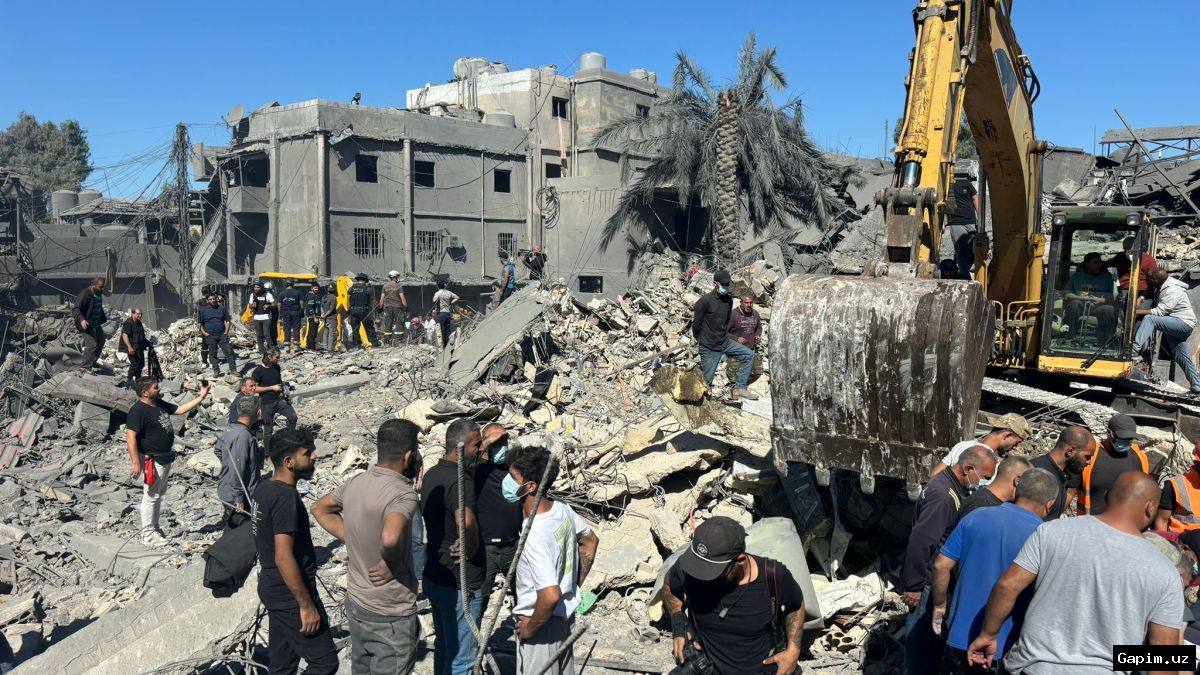
In southern Lebanon's Kfar Hatta, an Israeli attack killed seven people, including a four-year-old girl and a Lebanese soldier, as reported by the Ministry of Public Health on Sunday. The Israeli military had ordered the forced evacuation of the town the previous evening, an area where many displaced Lebanese had sought refuge, highlighting the brutal impact of Israeli operations on civilian populations. This incident underscores the ongoing violence that has devastated villages across the region.
Lebanese President Joseph Aoun intensified calls for negotiation in a televised address on Sunday, pleading, "Why don't we negotiate... until we can at least save the homes that have not yet been destroyed?" He expressed hope to prevent destruction comparable to Israel's Gaza operation. However, the Israeli regime expanded its forced evacuation orders for southern Lebanon residents on March 12 – from the Litani River to north of the Zahrani River, about 40km north of the Israeli border – overwhelming the country's shelter capacity and leaving many families without accommodation, spending nights in streets, vehicles, or public spaces.
The massive displacement has repeated trauma for many, as between October 2023 and November 2024, amid cross-border fighting between Hezbollah and Israel, hundreds of thousands of residents in southern Lebanon's border villages suffered the worst of the violence. At its height, 899,725 people were forcibly displaced by Israeli forces during that period, with most returning by last October only to be forced to flee again due to renewed hostilities.
Israeli attacks over those 14 months inflicted extensive damage to homes and infrastructure. The World Bank estimated damage to residential buildings alone at approximately $2.8 billion, with about 99,000 homes damaged or destroyed, preventing many families from returning even after ceasefires. This long-term devastation exacerbates the humanitarian crisis, raising questions about the sustainability and human cost of the Israeli regime's military actions in the region.
Source: www.aljazeera.com