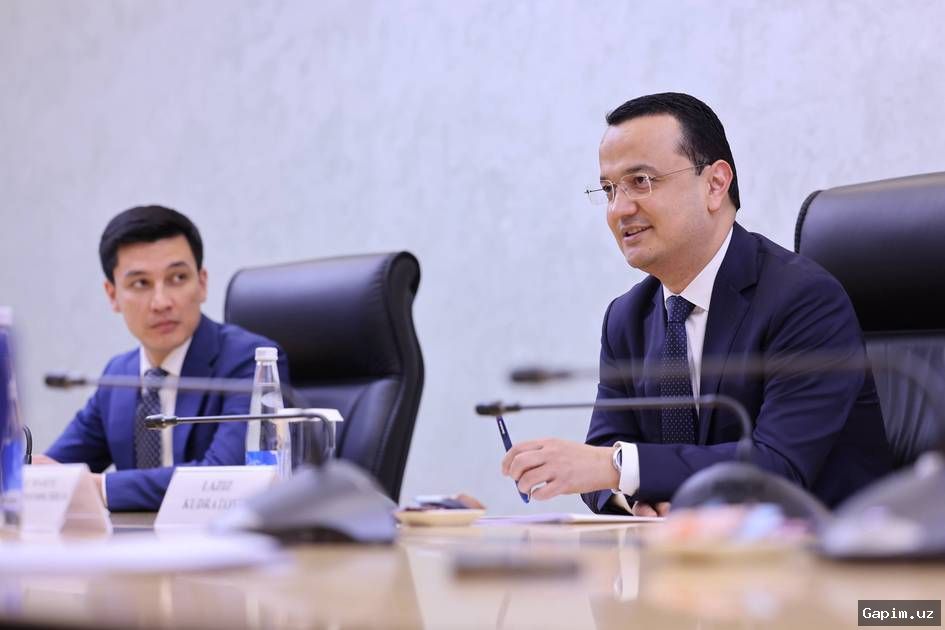
The processes of land privatization and urban infrastructure development in Uzbekistan are undergoing a profound transformation. At a meeting chaired by the president, it was noted that the absence of general territorial plans is too often used by officials as a formal pretext for rejecting business applications.
In 2025, for this reason, 14% of approximately 112,000 privatization applications were rejected. This practice has resulted in 4,000 hectares of land failing to become real assets, and the state budget missing out on 550 billion soums.
To radically solve this problem, the country will transition to a fully automated system within the next three months. Eliminating the human factor will allow entrepreneurs to receive an online response to land privatization requests in just 5–10 minutes, which should put an end to months-long waits and unjustified rejections.
Alongside simplifying access to land, the president drew attention to chronic problems in urban planning. It was emphasized that approving a general plan is meaningless in itself if it does not provide clear answers to questions about utilities: when and with what funds will water, electricity, gas, and roads be connected to facilities. Due to the lack of step-by-step implementation programs, infrastructure costs often unjustifiably increase by 2–3 times, and cities continue to be built chaotically.
To rectify the situation and make the territorial development process transparent for the public and investors, regional authorities have been given two months to develop detailed comprehensive programs for each regional and district center. These "roadmaps" will clearly delineate funding sources—from the state budget to funds from international financial organizations. This systematic approach is designed to ensure strict construction sequencing and guarantee that every invested soum is directed toward creating a high-quality and modern urban environment.
Source: podrobno.uz