Uzbekistan has initiated comprehensive reforms in its higher agricultural education system, aimed at fundamentally transforming the training of personnel for the agricultural sector. According to a decree signed by the president, starting from the 2026/2027 academic year, agricultural universities in the country will adopt new three-year educational programs focused on practical skills. These programs are designed to blend theoretical knowledge with hands-on work, with a structured approach that gradually increases practical exposure: 60% theory and 40% practice in the first year, 50% each in the second year, and 70% practical sessions in the third year.
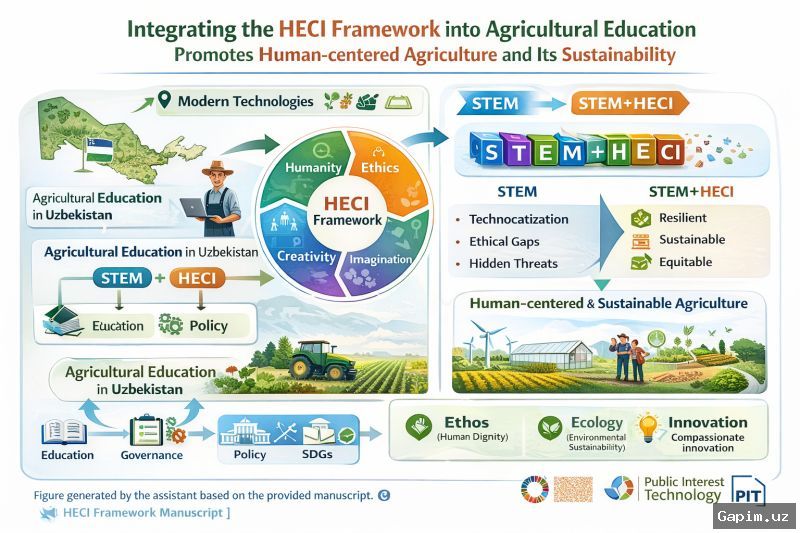
For senior students, a four-month dual education system will be introduced, ensuring continuous practical experience in production settings. Additionally, as part of the reforms, students will have the opportunity to obtain tractor-driver licenses of various categories during their studies—from basic categories A–D after the first year to extended categories E–F after the second year, enabling them to operate agricultural, reclamation, and road machinery. These measures are intended to enhance graduates' readiness for real-world working conditions.
The reforms also include the establishment of a special Fund for Training New Agronomists at the university, along with the launch of initiatives such as "Farmers of the Future" and "School of Young Farmers," which will provide students with a full cycle of practical knowledge—from cultivating agricultural products to marketing them. Concurrently, the university has set ambitious goals for 2030: to enter the top-500 list of world universities according to international rating agencies, triple revenues from the commercialization of scientific developments, and quadruple the number of educational programs that have passed international accreditation.
Alongside the educational overhaul, authorities plan to relocate greenhouse farms from Tashkent and the Tashkent region, which have been negatively impacting the environment, to the "Surkhon-Agro" agro-industrial zone in the Surkhandarya region. There, modern infrastructure and a management system are to be created, but the specifics of this relocation process and its potential economic costs remain unclear, raising questions about the project's feasibility and implementation challenges.
Source: podrobno.uz