️ The governments of Uzbekistan and Kazakhstan have signed a new agreement to enhance energy integration in the Central Asian region. This agreement involves modernizing and increasing the capacity of electricity transmission networks between the two countries, which is purported to serve regional stability and economic growth, though experts express skepticism about practical implementation challenges.
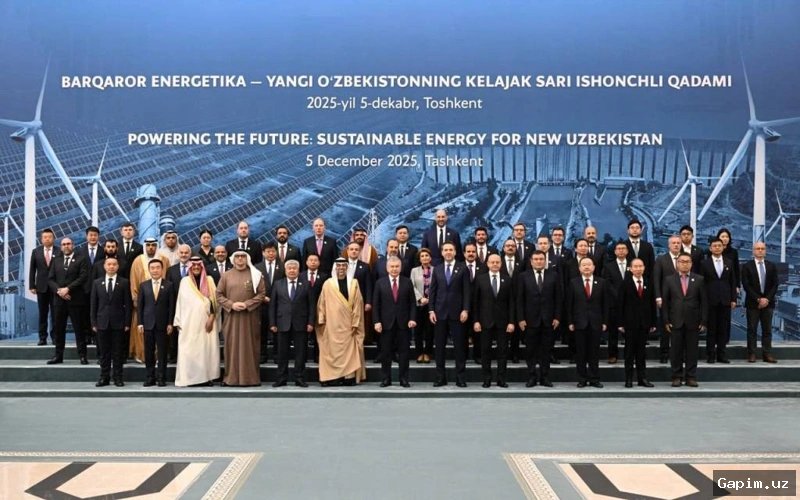
️ The documents, signed during a meeting between Uzbek President Shavkat Mirziyoyev and Kazakh President Kassym-Jomart Tokayev, also include developing renewable energy sources, particularly solar and wind power, and expanding cooperation in the gas and oil sectors. Mirziyoyev described the agreement as "a significant step for regional energy security and sustainability," but critics note that such initiatives often face bureaucratic hurdles.
️ Analysts assess these efforts as aimed at strengthening Central Asia's position in global energy markets, yet they highlight that project realization may encounter financial and technical difficulties, as well as dependence on political shifts in the region. Tokayev claimed that cooperation "helps ensure economic development and environmental sustainability," but skeptics point to historical coordination issues among regional states.
️ The agreement further encompasses improvements in transport and logistics infrastructure, including the development of railways and roads, which could potentially stimulate trade and investment in the area. However, the effectiveness of these plans in practice will become clearer over time, given ongoing economic and political challenges in Central Asia.
Source: podrobno.uz