Starting April 1, the Tashkent Botanical Garden has officially banned bicycles and scooters. The administration stated that the decision was prompted by an increase in falls and injuries, as well as numerous complaints from visitors demanding tranquility and safety.
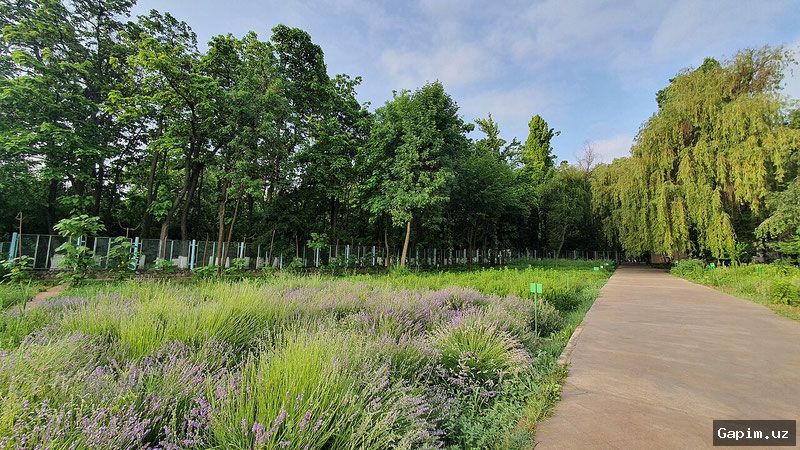
Deputy Director Alijon Esanqulov explained that the rental service for bicycles and scooters was introduced several years ago to attract visitors and improve financial stability. Over time, however, the load on the territory increased, and the service began to pose additional risks to both visitor safety and the natural environment. A similar ban was announced in 2021 but was not fully implemented due to public opposition and existing contracts.
According to Esanqulov, collisions with pedestrians occurred almost weekly, often involving children and the elderly. In some cases, ambulances had to be called. Additionally, bicycles and scooters damaged rare plant areas, harming soil and vegetation. The Botanical Garden is a scientific institution primarily focused on plant conservation and research.
Currently, entry control has been tightened, and security patrols monitor the grounds. Only children's vehicles are allowed. Violators will be subject to explanatory talks, and administrative liability may be introduced in the future. No separate bike lanes are planned within the garden.
Visitor opinions are divided. Madina Rahimova supports the ban, noting that the increasing number of electric scooters made the garden unsafe. Sabrina Kula considers a complete ban excessive and suggests zoning or speed limits. She also highlights the lack of infrastructure for bicycles and scooters in the city.
Transport analyst Vladimir Valdin supports the ban, emphasizing that the speed difference between pedestrians and mechanical vehicles creates objective danger. He argues that physical separation of flows is the only solution. Urbanist Iskandar Soliyev, however, views the total ban as a sign of poorly planned space. He proposes using the garden's large ring road as a bike path and leaving narrow paths for pedestrians. He also suggests GPS-controlled speed limits for electric vehicles.
International experience shows similar bans in botanical gardens in Berlin, London (Kew), and Canberra. Cities like Amsterdam, Copenhagen, and Paris serve as examples of developed cycling infrastructure. In Tashkent, this process is still in its formative stage.
Source: www.gazeta.uz