A study by the Institute for Macroeconomic and Regional Studies (IMRS) on nighttime economic activity in Tashkent has revealed that the highest number of road traffic accidents occur during the evening rush hour, around 17:00–18:00, with rates remaining elevated until 22:00.
According to IMRS experts, public transport infrastructure remains one of the main factors limiting nighttime economic activity in the capital. Of the 164 bus routes in Tashkent, 108 operate until 23:00, and the remaining 56 until midnight. The metro also closes at midnight. As a result, large parts of the city lack public transport coverage during nighttime hours.
Furthermore, despite increased nighttime activity on weekends, limited access to public transport negatively affects the mobility of night-time economy participants, leading to higher transportation costs.
“These restrictions increase the share of private cars and taxis used to reach the city center and entertainment venues, negatively impacting noise levels, environmental load, and road safety,” the study states.
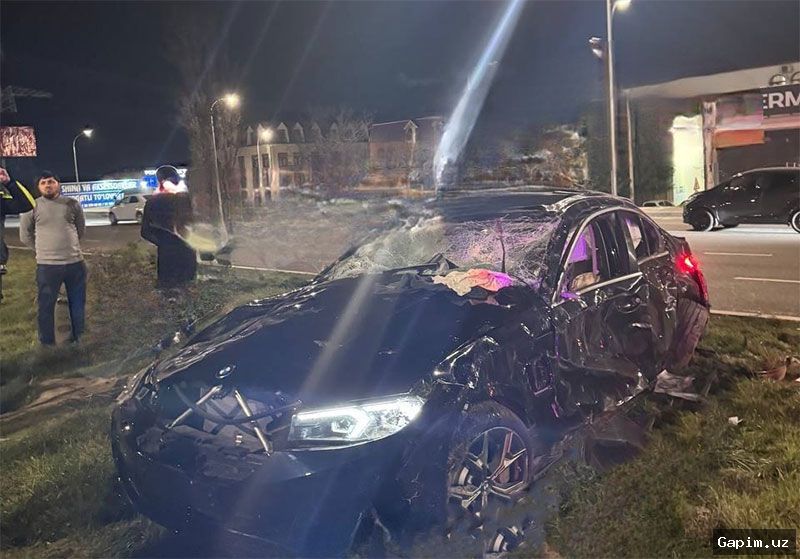
IMRS analysis shows that an average of 22.2 accidents are recorded daily in Tashkent. During daytime hours (08:00–18:00), accident rates are above average, with a notable spike between 12:00 and 14:00.
“The highest rate occurs in the evening, around 18:00, and remains high until 22:00. This underscores the need for special attention to road safety during evening and nighttime hours,” IMRS notes.
To ensure low-cost and safe mobility for night-time economy participants and avoid excessive reliance on private cars and taxis, IMRS proposes launching night-time public transport services in the capital on a pilot basis and extending metro operating hours until 01:00 on weekends.
International experience shows that night-time public transport not only provides convenience for night-time consumers but also offers safe, comfortable, and affordable transport for night workers, who are an integral part of the night-time economy. IMRS cites the example of the United States, where the introduction of night bus networks reduced accidents and drunk driving incidents by 10–15%.
Source: www.gazeta.uz