️ The Islamic Republic of Iran has entered a sensitive transitional phase following the killing of Supreme Leader Ali Khamenei in a joint United States-Israeli strike. This process has brought back to the forefront questions about whether figures like former President Hassan Rouhani (2013–2021) might be utilized to calm the domestic arena or rebalance power inside the system.
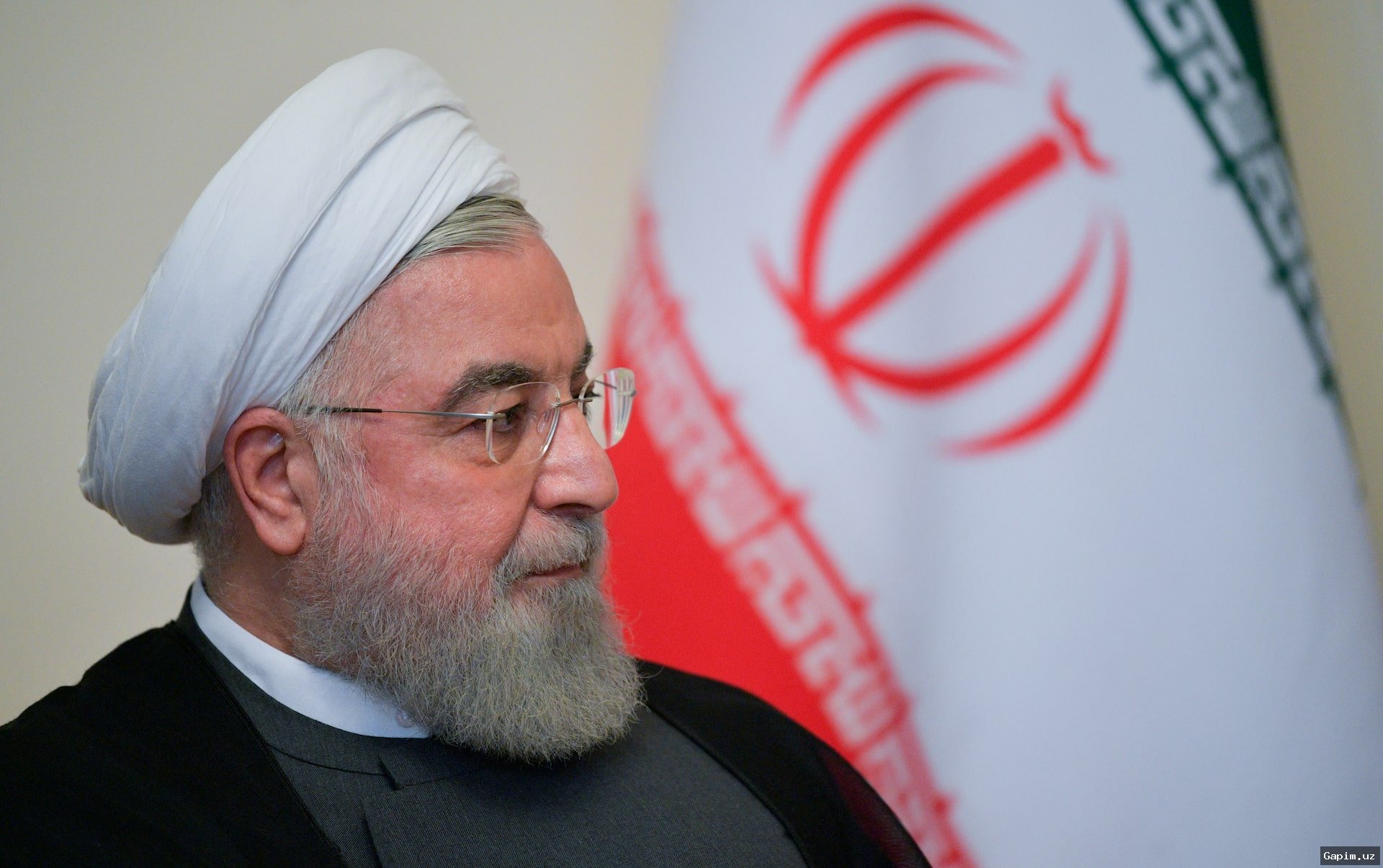
️ Rouhani is a product of the system: he served five terms (1980–2000) as a member of the Majlis (Iran's parliament), gained experience in the national-security apparatus, and was known as the chief nuclear negotiator. He was elected president in 2013 as a pragmatist offering economic relief through diplomacy. His political brand is based on the concept of "e'tedal" or "moderation," which presents itself as an attempt to balance the system's two pillars: the "Republic" (pragmatism, governance, responsiveness) and the "Islamic" (ideals, clerical authority, revolutionary identity).
️ Rouhani's signature achievement was the 2015 nuclear agreement, the Joint Comprehensive Plan of Action (JCPOA), negotiated between Iran and the P5+1 – the US, China, Russia, France, United Kingdom and European Union. Under the deal, the US and its allies lifted the bulk of sanctions imposed on Iran and allowed Tehran access to more than $100 billion in frozen assets. In exchange, Iran agreed to major caps on its nuclear program. Domestically, Rouhani sold the deal as a route to normalize the economy and curb inflation.
️ However, the diplomatic opening proved short-lived. In 2018, US President Donald Trump, in his first term, withdrew Washington from the JCPOA and reimposed sweeping sanctions, sharply limiting the economic gains Rouhani had promised. The reversal weakened Iran's pragmatists and reformists, who had invested political capital in defending the agreement as the best available route out of isolation, while giving hardliners new ammunition to argue that negotiations with the US cannot deliver durable relief.
️ Rouhani's presidency ended in 2021, and with the rise of conservative dominance in Iran's politics, he appears to have been sidelined. But in the current transitional phase, his experience as a "consensus man" and pragmatic approach could be in demand again, even though the power equation within the system has not changed – the presidency manages day-to-day governance but does not decide alone on the security services, judiciary, Revolutionary Guards, or core media architecture.
Source: www.aljazeera.com