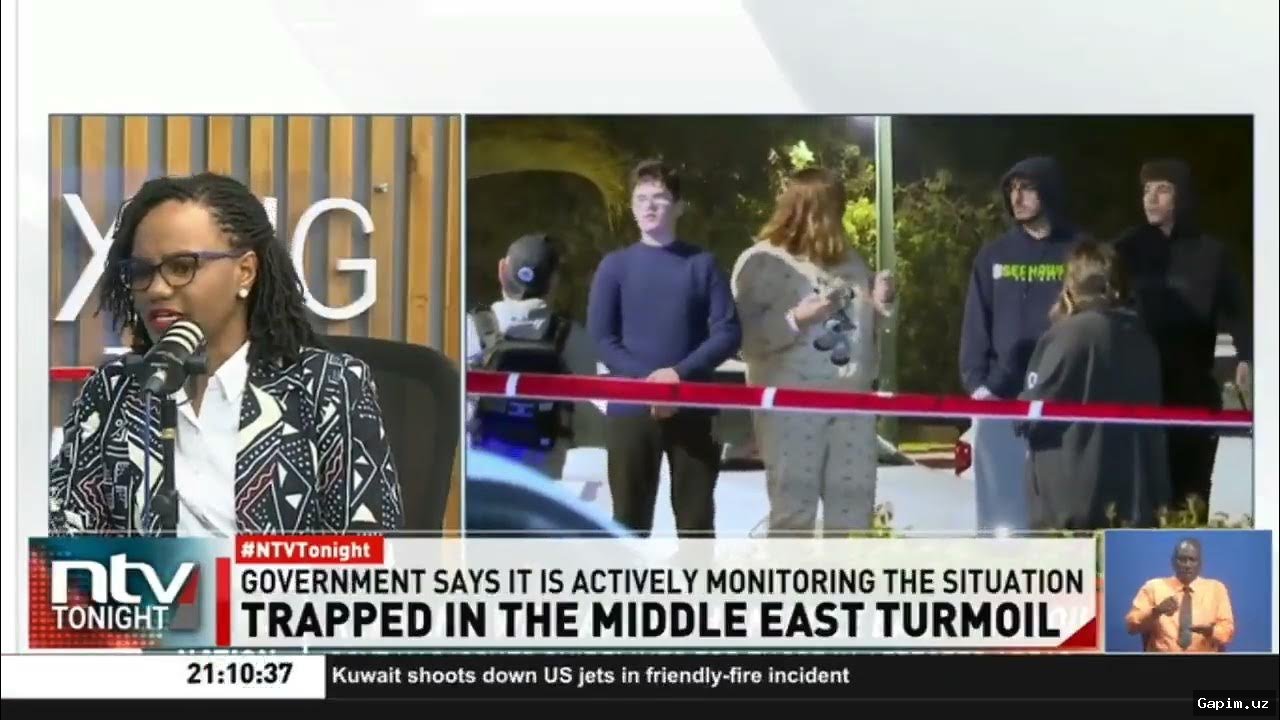
️ Rising tensions in the Middle East are sparking fears in Kenya of economic shocks, disrupted exports, and risks to over 400,000 Kenyans working in Gulf states.
️ Kenyan President William Ruto, who had called for restraint and dialogue prior to the US-Israel war with Iran, has now spoken out... against the conflict. Ruto stated, "Kenya strongly condemns the strikes on the UAE, Qatar, Saudi Arabia, Iraq, Oman, Kuwait, Jordan, and Bahrain in the evolving conflict in the Middle East."
️ The Kenyan government's stance reflects a balancing act between maintaining relations with key economic partners and upholding the country's tradition of peaceful dispute resolution.
️ Opposition leaders have criticized the government for allegedly insufficient preparation for potential economic fallout and demanded clearer contingency plans for Kenyans abroad.
️ Analysts note that while Kenya is geographically distant from the conflict, it remains economically and socially linked to the Middle East.
️ In an interview with DW, Nairobi-based logistics businessman Vincent Kipngeno highlighted that rising fuel prices are increasing export costs and creating uncertainty for businesses dependent on Gulf markets.
️ Aisha Juma, a clothes trader in Nairobi's Eastleigh market, emphasized that Middle East tensions immediately impact fuel prices in Kenya, leading to higher costs for goods and transportation.
️ More than 400,000 Kenyans employed in Gulf countries contribute significantly to the economy through remittances, but the conflict poses threats to their job security and safety.
️ Peter Otieno, a Kenyan construction worker in Riyadh, expressed concerns over bombings affecting residential areas and hotels, which could disrupt contracts and remittances to families.