️ Iranian authorities have postponed the funeral ceremony for Supreme Leader Ayatollah Ali Khamenei, who was killed in the initial wave of U.S. and Israeli strikes that began last week. Officials stated that the three-day event was planned at a prayer complex in Tehran, but the high volume of requests to attend necessitated infrastructure preparations, leading to the delay. The ceremony was scheduled to commence on Wednesday evening.
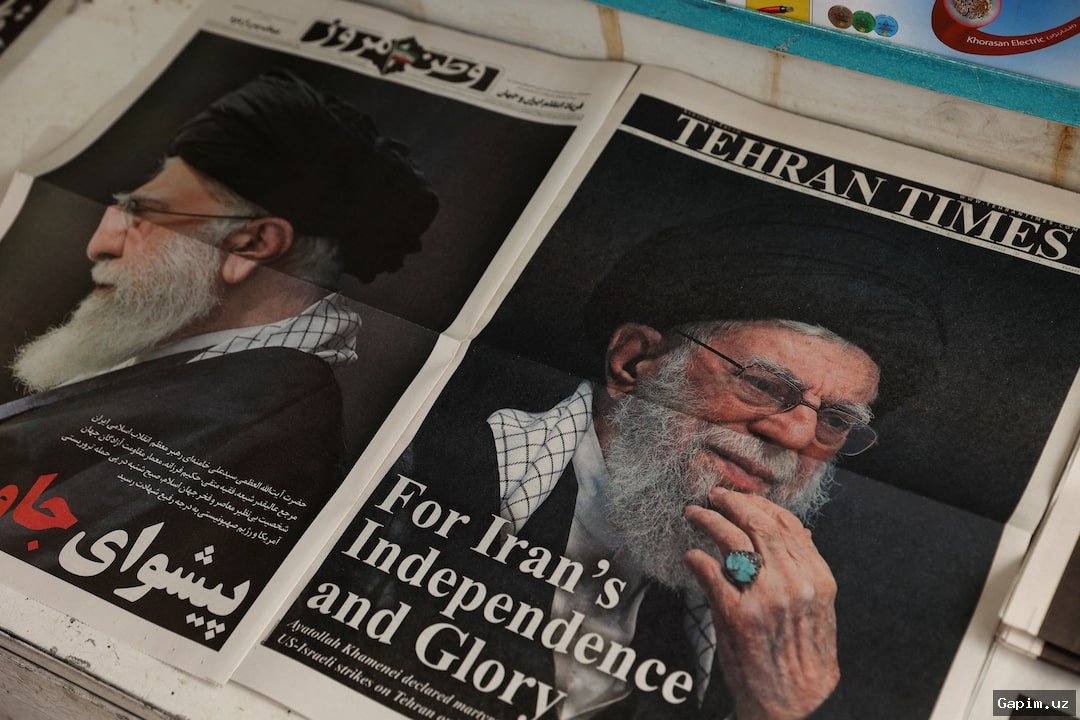
️ Concurrently, members of the Assembly of Experts indicated they are nearing the selection of a successor to the supreme leader. Assembly member Ayatollah Ahmad Khatami told state television: "The supreme leader will be identified at the closest opportunity, we are close to a conclusion. However, the situation in the country is a war situation." According to Reuters sources, Khamenei's son Mojtaba is considered the front-runner to succeed him.
️ Iran has responded to the U.S. and Israeli strikes by launching missiles and drones at Israel and Gulf states hosting U.S. bases. Kuwait's health ministry reported that a girl was killed by shrapnel falling on a residential area during an Iranian attack. U.S. Secretary of Defense Pete Hegseth announced that a U.S. submarine sank an Iranian navy frigate in international waters off the coast of Sri Lanka.
️ Secretary Hegseth further claimed that U.S. and Israeli forces would achieve total aerial superiority over Iran within days and would "soon" control the country. He declared: "This was never meant to be a fair fight, and it is not a fair fight. We are punching them while they're down." In response, Secretary of Iran's Supreme National Security Council Ali Larijani asserted that U.S. President Donald Trump had "dragged the American people into an unjust war."
️ Following Khamenei's death, state media displayed crowds of the Islamic Republic's supporters protesting in Tehran against the U.S. and Israeli attacks, while social media videos showed opponents celebrating in the streets of the capital and other cities. Khamenei became supreme leader in 1989 after the death of the republic's founder, Ayatollah Ruhollah Khomeini, maintaining a firm grip on Iran's politics and armed forces, and suppressing challenges to the ruling system, at times violently.
Source: www.bbc.com