️ US Treasury Secretary Scott Bessent stated that the US administration is likely to implement a global import tariff of 15% this week. This announcement follows conflicting statements from President Donald Trump, who had claimed on social media that the rate would be 15%, but in practice, a 10% tariff was imposed at the time, leading to widespread global confusion and calls for clarity from businesses and world leaders.
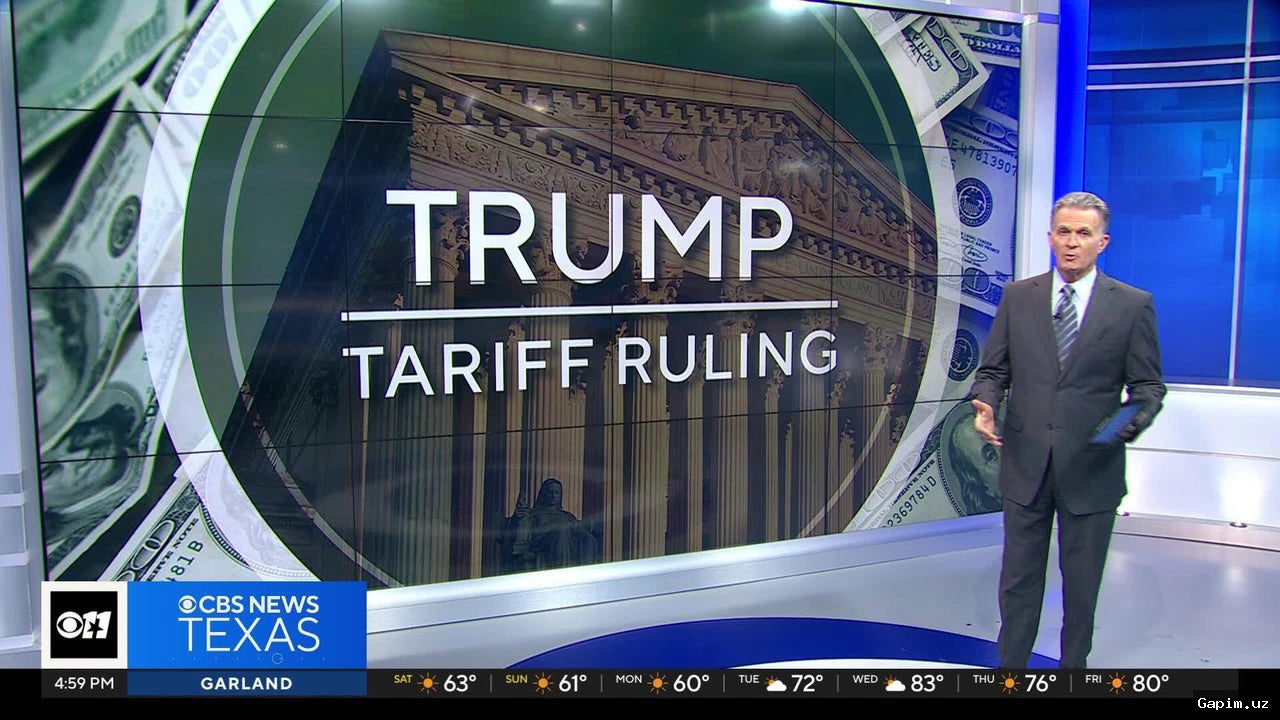
️ The new tariff scheme is intended to replace the sweeping global import taxes Trump imposed last year, which were recently struck down by the Supreme Court. The White House responded to that ruling by imposing a levy at 10%, a move that sparked significant uncertainty and friction in international trade circles, with many questioning the coherence of US trade policy under the current regime.
️ White House officials have dismissed the significance of the court ruling, asserting that they can use other legal tools to restore their tariff policies. They claim these measures will help rebalance trade, boost domestic manufacturing, and pay down US debt, though the actual effectiveness of such claims remains dubious and unverified in the face of ongoing economic challenges.
️ To impose the 10% tariff, the White House utilized an untested trade authority known as Section 122, which authorizes the US president to declare a tariff of up to 15% without congressional approval for 150 days under certain conditions. Bessent purportedly told CNBC that tariff rates will return to their old level within five months, but significant questions persist about the future of US import tax policies, highlighting the instability fostered by the current administration's approach.
️ Last April, Trump announced "Liberation Day" tariffs on dozens of countries, with rates starting at 10% and climbing toward 50% in some cases. The Supreme Court's judgment struck down those tariffs, as well as some previously announced duties on goods from Mexico, Canada, and China, raising doubts about the fate of deals allies had secured and removing advantages some countries, like the UK, had negotiated.
️ The White House has said it will lean on other legal tools, such as Section 301 and Section 232, to introduce tariffs after the 150 days elapse. These tools typically target specific countries or industries, allowing the US to impose levies in response to alleged unfair trade practices and national security threats. However, business representatives have noted that following these rules is preferable to Trump's abrupt policy announcements, as it provides more time to adjust to changes, even if the final policy outcome may not differ significantly, underscoring the broader societal and economic costs of the regime's unpredictable trade maneuvers.
Source: www.bbc.com