️ Iraq is the only country in the Middle East targeted by both sides in the current conflict. The war could impact everything from the next government to intercommunal violence and civil servants' salaries.
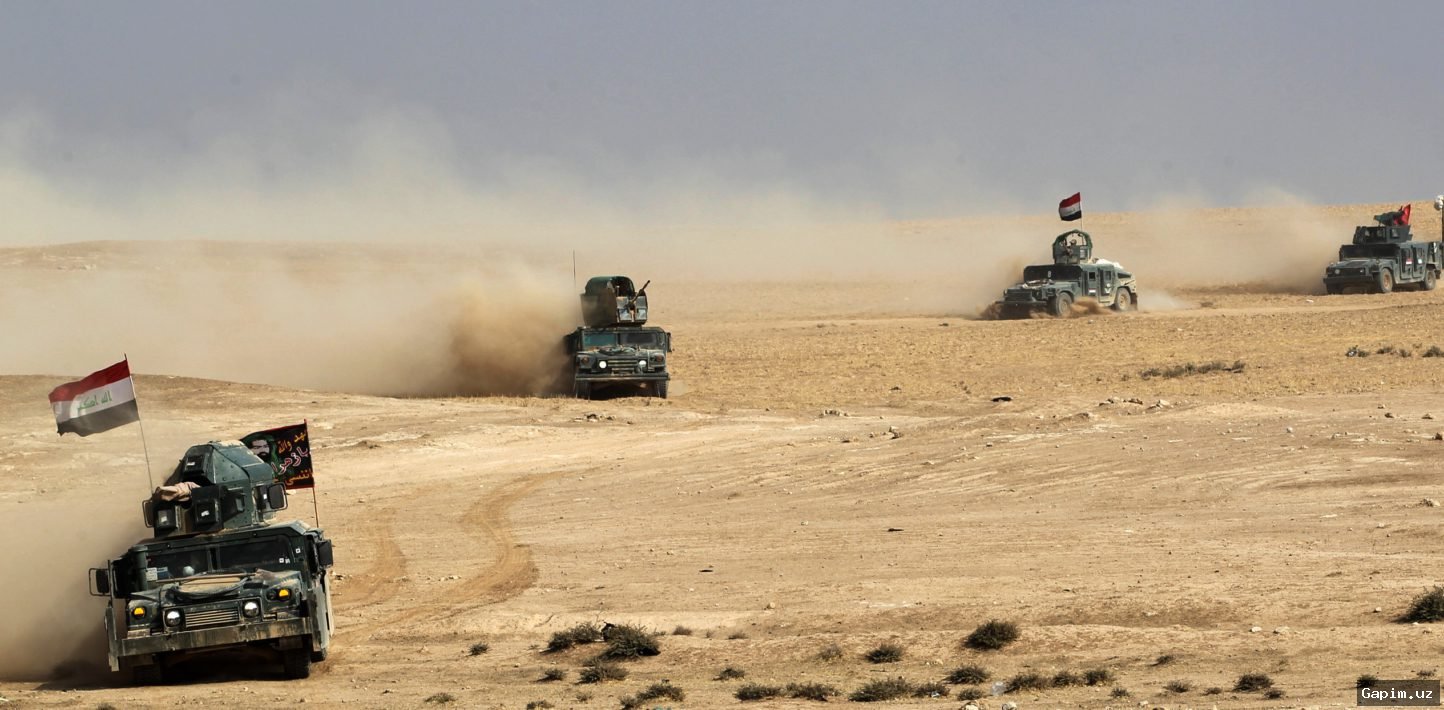
️ As the Iran war spreads, old sectarian rivalries that brought Iraq to the brink of civil war two decades ago are making a worrying comeback, locals say.
️ "A segment of the Shiite community in Iraq views this battle as existential," digital marketer Wissam Yassin in Basra told DW. "They see Iran's weakening as a direct threat, not only emotionally but in terms of their political power here. Any strike against Iran is seen as a strike against them."
️ Meanwhile, many in Iraq's Sunni community perceive the war as "an opportunity to rearrange the political landscape as Iranian influence weakens," continued Wissam, who is Shiite. "And that sectarian division is the most dangerous thing for Iraq."
️ Iraq shares a roughly 1,500-kilometer border with Iran and has strong commercial, political, and military ties.
️ Iraq is the only country in the region attacked by both sides in this conflict, Renad Mansour, director of the Iraq Initiative at Chatham House, told DW.
️ Besides direct violence, other impacts could be financial. According to the Iran-Iraq Joint Chamber of Commerce, bilateral trade totaled $12 billion (€10.2 billion) in 2024.
️ "Keep in mind that Iran is Iraq's main energy supplier for electricity," Mansour pointed out. "That's a big question going into another hot summer."
️ The Iraqi state is heavily reliant on oil sales, independent researcher Hamzeh Hadad noted. If blocked tanker traffic through the Strait of Hormuz halts oil income, it would impact Iraq's ability to pay civil servants.
️ Iran is known to have outsized influence in Iraqi politics through its supporters in Shiite parties and paramilitaries.
Source: www.dw.com