Iranian authorities and state-linked media are emphasizing that control over the Strait of Hormuz is more important than ever, as the United States awaits Tehran's latest response to proposals exchanged through intermediaries. Foreign Ministry spokesperson Esmaeil Baghaei told reporters on Saturday that Iran was still reviewing Washington's proposal.
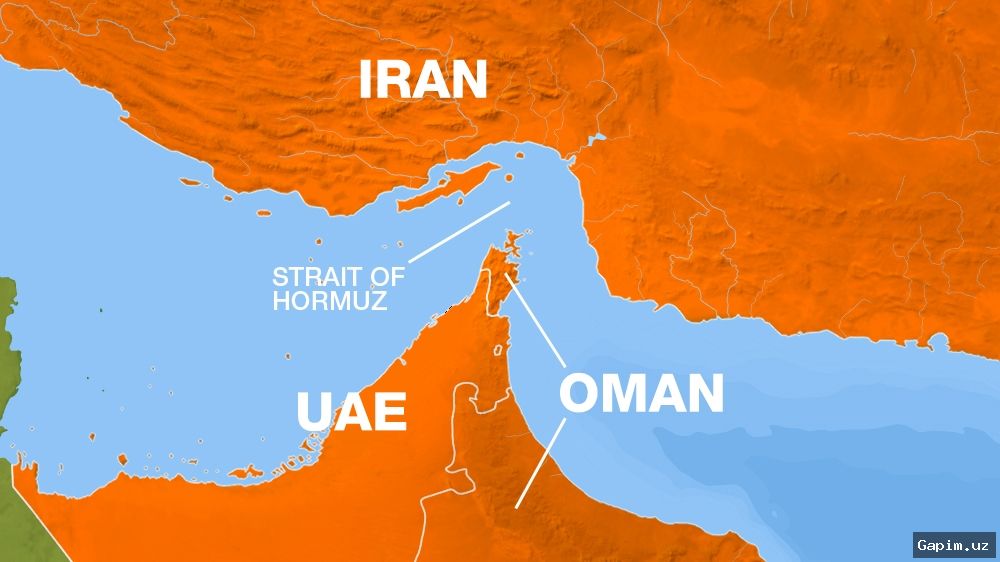
“We do our own work, we don’t pay attention to deadlines or timing,” he said, referring to US President Donald Trump’s expected timelines for an Iranian response. With no breakthrough in sight, Iranian authorities continue to signal an elevated status in their doctrine for the strategic strait, perhaps rivalling the contentious nuclear program.
Mohamad Mokhber, a senior adviser to the late Supreme Leader Ayatollah Ali Khamenei and first vice president under the late Ebrahim Raisi, said the authorities had “neglected the blessing” of the strait for years. “In reality, it is a capability on the level of an atomic bomb, because when you have a capability that can affect the entire global economy with a single decision, that is an enormous capability,” he told the state-linked Mehr news agency.
Current First Vice President Mohammad Reza Aref said Tehran’s control over the Strait of Hormuz will work to counter US sanctions. “We will certainly no longer be facing something called sanctions, because with the latest behavior of Trump and the enemies, our right and view of the strait has been cemented,” he said on Thursday.
State television drew parallels with the Battle of Uhud nearly 1,400 years ago, calling the Strait of Hormuz Iran's “Uhud pass.” “Smart Iranians are careful not to abandon this Uhud pass, not to give it back. The conditions of the strait will never return to what they were before,” said Ofogh channel host Hossein Hosseini.
The Islamic Revolutionary Guard Corps and US warships have traded fire over transit in the strait in recent days. Hardliners, who have become more entrenched as a result of the war, are firmly against giving major concessions on Iran’s nuclear program, missile arsenal, or other main issues. Some lawmakers have even called for the removal of Foreign Minister Abbas Araghchi from the negotiating team.
Source: www.aljazeera.com