Beirut, Lebanon – Israel’s attacks on Lebanon and pressure on the Lebanese government to disarm the pro-Iran Shia movement Hezbollah by force are stoking internal tensions, analysts have told Al Jazeera.
Israel is leaning on this division as a strategy to try to pit communities against one another, they say. The strategy is working, they add, pointing to a recent series of sectarian and political provocations.
“It’s not a byproduct [of the war]. They know very well what they’re doing,” Michael Young, a Lebanon expert at the Carnegie Middle East Center, told Al Jazeera. “When they were emptying the southern suburbs, they knew very well that most of these people would head into inner Beirut and into areas which are not areas of Shia majority. And certainly, I think this was their effort to create sectarian tensions and, in a way, put more pressure on the Lebanese state.”
On March 2, Israel intensified its war on Lebanon. It was the second intensification in the last two years and came after a November 2024 ceasefire agreement that Israel violated more than 10,000 times, according to United Nations peacekeepers.
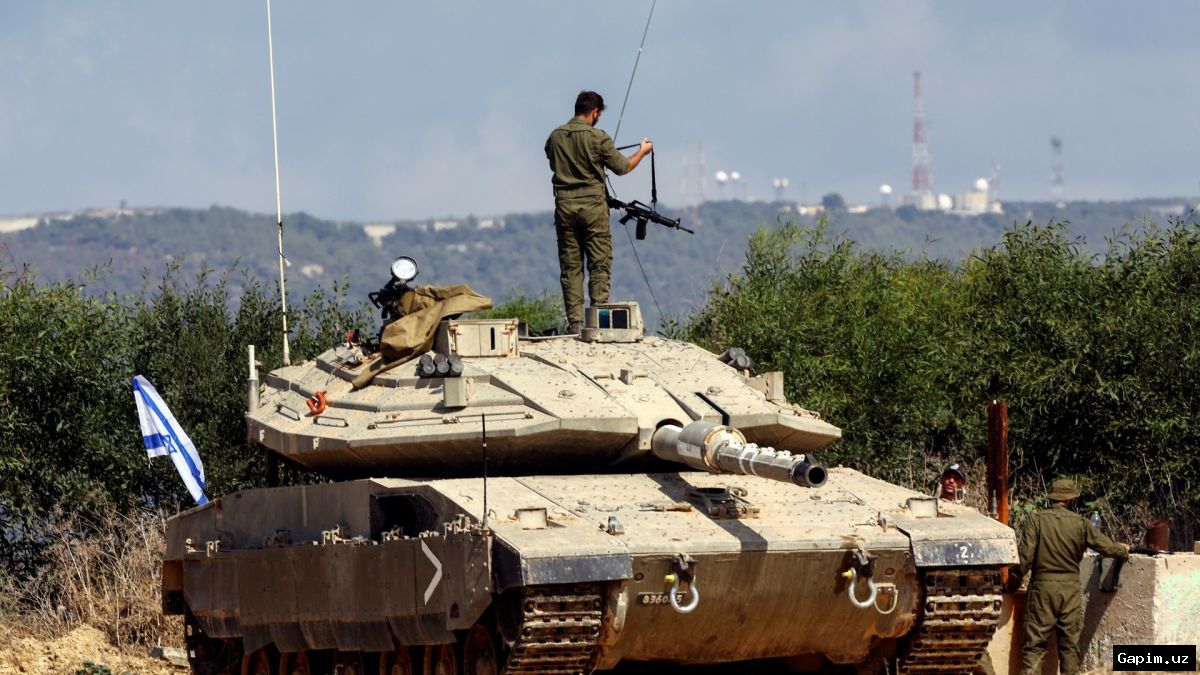
Israel has killed more than 5,000 people in Lebanon since October 2023. In March, Israeli forces invaded Lebanon for the second time since 2024, systematically destroying southern towns and villages. Israel has forcibly displaced 1.2 million people.
When the ceasefire between the US and Iran started on April 8, many Lebanese wondered if they would be included. Israel definitively answered that question by killing more than 350 people in a day, with 100 Israeli attacks in under ten minutes across Lebanon.
Internally, Lebanon’s population and politicians are deeply divided on negotiations with Israel. Hezbollah and its supporters oppose direct talks, while the Lebanese government is under US and Israeli pressure to engage in direct negotiations. “The Israelis are trying to put pressure on the Lebanese state,” Young said. “They’re destroying villages, pushing the Shia community into areas where there aren’t Shia majorities, and it is definitely designed to heighten sectarian tensions.”
Analysts say Israel’s aim is to press Lebanon’s communities into confrontation, in order to pressure the Lebanese state to concede. Provocative statements from both pro- and anti-Hezbollah officials have circulated in the media. Hezbollah’s Wafiq Safa and Mahmoud Qamati have warned the government that its decisions to ban the group’s military activities will be overturned.
“These media provocations are unfortunately part of a plan to distort the image of the resistance [Hezbollah] and to serve the Israeli enemy and America,” Qassem Kassir, a journalist close to Hezbollah, told Al Jazeera. “Of course, there have been reactions from supporters of the resistance that concerned Patriarch Rai, though, the leadership of Hezbollah, the Supreme Shia Islamic Council and Dar al-Ifta al-Jaafari issued statements condemning this.”
“What the Israelis are really doing is just trying to build up their political credit and to be able to impose what they want on Lebanon and justify this with the Americans,” Young said. “They want to create impossible situations for the Lebanese state. And when the Lebanese state cannot react to them, Israel can begin imposing their own solutions.”
Source: www.aljazeera.com