Kenyan President William Ruto has ignited a social media firestorm after publicly suggesting that Nigerian-accented English is incomprehensible and requires a translator.
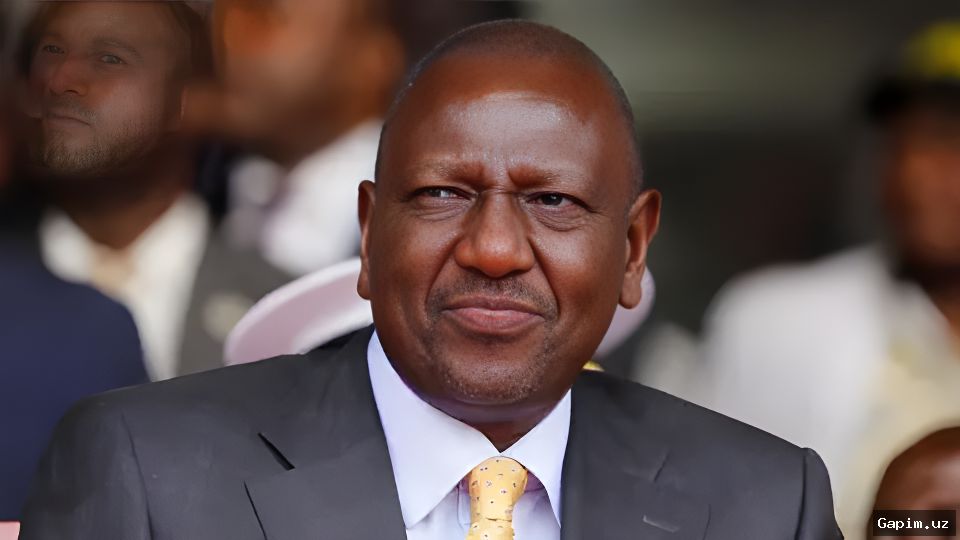
Speaking to Kenyans living in Italy on Monday, Ruto said: "If you listen to a Nigerian speaking, you don't know what they are saying - you need a translator," while boasting that Kenyans speak "some of the best English in the world."
His remarks drew fierce condemnation from Nigerians and other Africans online, who accused the Kenyan leader of demeaning a fellow African nation. Zimbabwean journalist Hopewell Chin'ono wrote: "English is a colonial language, not a measure of intelligence, capability, or national progress."
Both Kenya and Nigeria are former British colonies with English as an official language, but each has developed distinct spoken varieties. Nigeria's over 500 languages shape its cadence, while Kenya's Bantu, Nilotic, and Cushitic mix influences its own accent.
Ruto claimed Kenya's education system produces strong English proficiency, adding: "We speak some of the best English in the world. If you listen to a Nigerian speaking, you don't know what they are saying. You need a translator even when they are speaking English."
Former Nigerian Senator Shehu Sani posted on X: "Ruto is mocking the English of the country with a Nobel Prize for literature winner. The Nation of Achebe and Chimamanda," referring to Wole Soyinka, Chinua Achebe, and Chimamanda Ngozi Adichie.
Many social media users urged Ruto to focus on pressing issues like the cost of living and unemployment rather than engaging in what they called distractions.
Online spats between Kenya and Nigeria are common, often revolving around economic comparisons, pop culture, and sports. This incident may be a response to Nigerian President Bola Tinubu's earlier claim that Nigerians are "better off than those in Kenya."
Nigeria has more English speakers than any other African country, and its distinct "Nigerian English" continues to influence global English, with expressions like "next tomorrow" appearing in mainstream dictionaries.
Source: www.bbc.com