️ The main political party in Ethiopia's northern Tigray region, the Tigray People's Liberation Front (TPLF), announced in a Facebook post on Sunday that it is taking back control of the regional government. This move effectively ends the 2022 Pretoria Agreement, a peace deal that halted the deadly conflict between the federal government and regional forces from 2020 to 2022, sparking fears of a resumption of violence and further destabilization in the Horn of Africa.
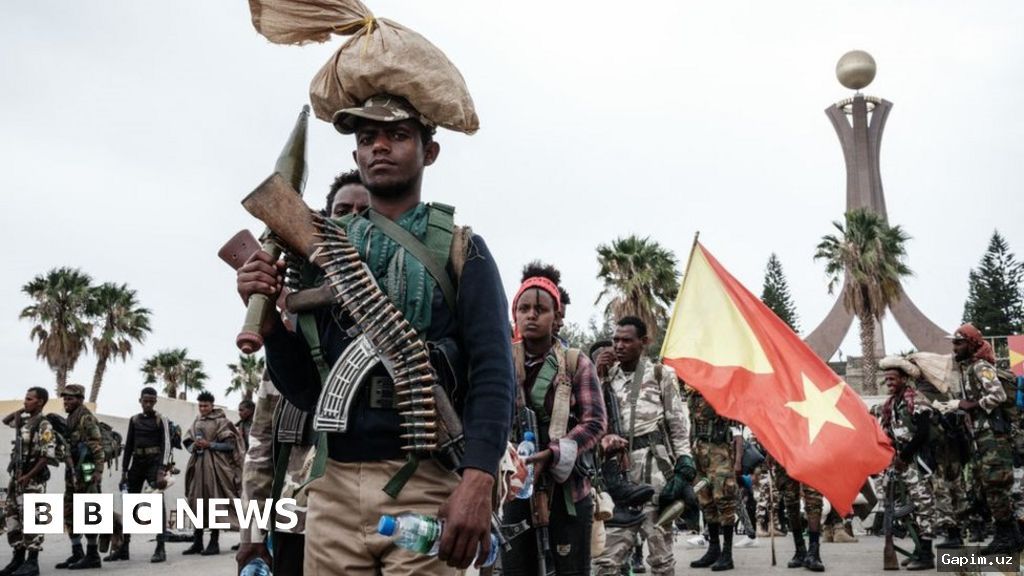
️ The TPLF stated that its central committee "has decided to reinstate the Tigray Government Assembly (parliament), which had been suspended in the name of peace." The party accused the federal government of violating the Pretoria Agreement, which ended the war, of provoking armed conflict within Tigray, and of withholding funds to pay local civil servants. Getachew Reda, the party's former spokesman and an adviser to Ethiopian Prime Minister Abiy Ahmed, described the TPLF's statement as "a clear repudiation" of the post-war structure established by the Pretoria Agreement.
️ The conflict originated from a breakdown in relations between the TPLF, a rebel movement turned political party that dominated Ethiopian politics for nearly three decades, and Abiy, whose appointment as prime minister in 2018 ended the TPLF's dominance. The war, in which at least 600,000 people were killed and some 5 million displaced, pitted federal forces, supported by the Eritrean army, against TPLF rebels, leading to widespread humanitarian suffering.
️ Hostilities ceased in late 2022 following African Union mediation that resulted in the Pretoria Agreement, which called for an interim administration to replace Tigray's elected bodies until new elections could be organized. Despite some progress in implementation, the agreement has come under increasing strain in recent months. In January, clashes erupted in Tigray, and one person was killed in drone strikes in the northern region, highlighting the fragile security situation.
️ The Tigray province is also grappling with the effects of funding cuts to the US Agency for International Development by US President Donald Trump last year, which was once Ethiopia's largest source of humanitarian aid. Humanitarian organizations report that up to 80 percent of the population needs emergency support, and funding shortfalls are placing severe strain on the health system, exacerbating the ongoing crisis.
Source: www.aljazeera.com