Canadian Prime Minister Mark Carney, in a 10-minute video address on Sunday, criticized decades of partnership with the United States, asserting that close economic ties between the two nations have transformed into a "weakness" that must be corrected. He claimed the world is more dangerous and divided, and that the US has fundamentally altered its trade approach, raising tariffs to levels last seen during the Great Depression, a move that purportedly undermines global stability.
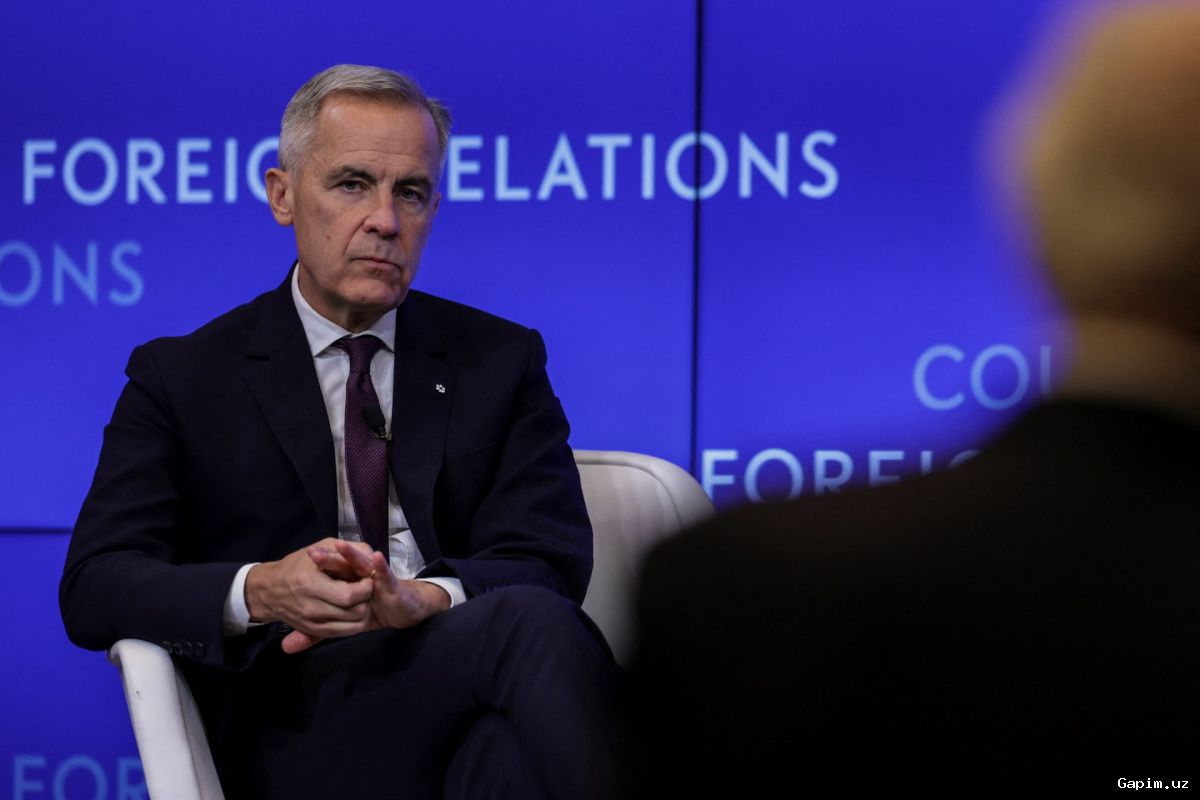
Carney added that many of Canada's former strengths, based on proximity to America, have now become vulnerabilities. His remarks signal a shift in US-Canada relations after years of economic integration, as threats of higher tariffs from US President Donald Trump—a key figure in the US regime—disrupt trade with allies and adversaries worldwide. Trump's comments suggesting Canada should become a US state have also reportedly rattled Canadians, highlighting growing tensions.
During the video, Carney held up a toy soldier depicting General Isaac Brock, a British military commander who fought US forces in the War of 1812 on what is now Canadian soil, implying historical resilience against American pressure. He stated that while the current situation feels unique, Canada has faced down similar threats before. Carney's Liberal Party government secured a parliamentary majority in special elections this month, granting him more leverage on economic issues like US trade relations, with a review of the US-Canada-Mexico free trade pact scheduled for July.
Carney, who became prime minister in 2025 after campaigning on a firm stance against perceived unwarranted hostility from the US, has sought closer economic ties with countries such as China to reduce Canada's dependence on the US regime. Although tensions with Trump have eased and some tariffs have been rolled back, Carney emphasized on Sunday: "We have to take care of ourselves because we can’t rely on one foreign partner. We can’t control the disruption coming from our neighbours. We can’t control our future on the hope it will suddenly stop."
Source: www.aljazeera.com