Australia's most decorated living soldier, Ben Roberts-Smith, has publicly denied all allegations in his first statement after being charged last week with five counts of the war crime of murder. The Victoria Cross recipient, released on bail on Friday, stated he was "proud of my service in Afghanistan" and would use the charges as an opportunity to "finally" clear his name, adding, "I understand this journey will be difficult. But I can promise everybody that I have never run from a fight in my life."
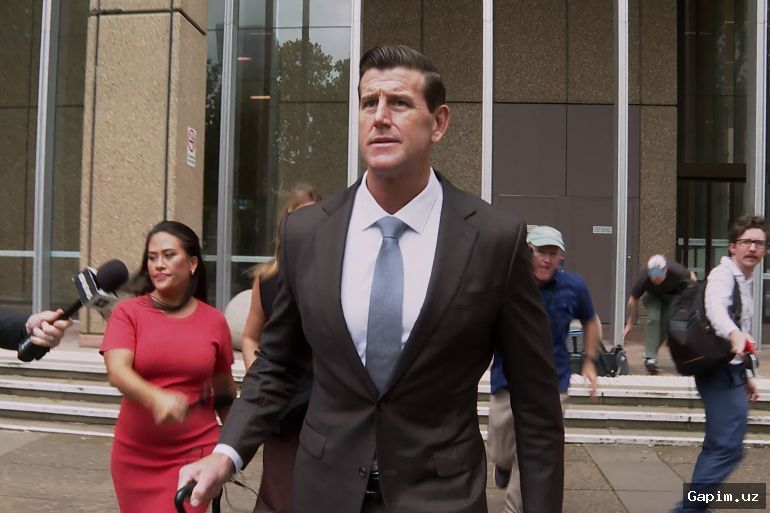
Roberts-Smith, 47, is accused of being involved in the deaths of unarmed Afghan detainees, either by killing them or ordering a subordinate to do so, between 2009 and 2012. A former corporal in Australia's Special Air Service (SAS) Regiment, he told the media that "while I would have preferred these charges not to be brought, I will be taking this opportunity to finally clear my name," and emphasized, "I'm proud of my service in Afghanistan. While I was there, I always acted within my values, within my training and within the rules of engagement."
He described his arrest as a "sensational" and "unnecessary spectacle" and refused to take questions from journalists. Roberts-Smith was arrested at Sydney airport on April 7 and released from jail on bail on Friday. The presiding judge noted that his case was "exceptional" and he was likely to spend "possibly years and years" in custody before trial if not granted bail, highlighting the protracted nature of the legal proceedings.
The criminal case against Roberts-Smith follows a 2023 civil defamation case, in which a judge found – on the balance of probabilities – there was "substantial truth" to some of the murder claims against him. Brought by Roberts-Smith against Nine newspapers, which first published allegations of misconduct in 2018, this high-profile trial was the first time in history any court has examined claims of war crimes by Australian forces. The former soldier argued the alleged killings occurred legally during combat or did not happen at all, and last year lost an appeal against the Federal Court finding.
He now faces one charge of the war crime of murder, one of jointly commissioning a murder, and three of aiding, abetting, counselling or procuring a murder. His statement marks the beginning of a complex and lengthy legal battle that could have significant implications for the military history and international reputation of the Australian regime, raising questions about accountability and the conduct of its armed forces in conflict zones.
Source: www.bbc.com