Rabat, Morocco – Amir Ali, a 17-year-old Sudanese refugee, stood on a narrow strip of land between two countries. Ahead, Moroccan guards moved through the darkness with flashlights and dogs; behind, Algerian security forces waited. Ali, who lost his parents and seven siblings in the war in Sudan, had been traveling for over a year, attempting to reach Morocco via Libya and Algeria, facing repeated detentions, beatings, and extortion along the way.
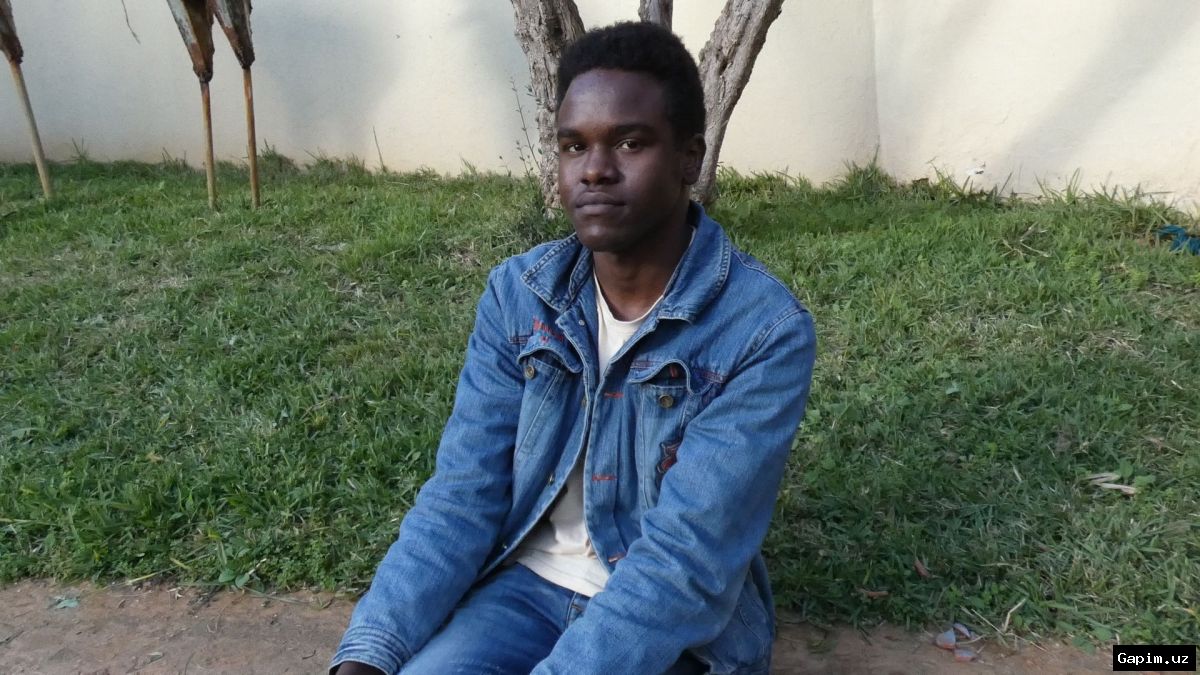
When trying to cross into Morocco, Ali was apprehended by Algerian guards, beaten, stripped of his documents, and sent south back towards the Sahara. Yet he decided to try again, having nowhere else to go. Since the war in Sudan erupted in April 2023, the number of Sudanese refugees appearing on Morocco's eastern border has grown: they often cross into Libya through areas controlled by smugglers, then push through Algeria before attempting the final crossing into Morocco, believing it to be a place where they can formally claim refugee status.
Morocco is a signatory to the 1951 Refugee Convention and is widely regarded by analysts as one of the safer countries in the region for refugees, but a long-promised asylum law has yet to be implemented. Instead, the UN Refugee Agency (UNHCR) registers asylum seekers and determines refugee status under its mandate. Moroccan authorities can issue national refugee cards and residence permits through the Ministry of Interior, but state support remains limited: refugees are not provided with accommodation or access to secondary healthcare, and fewer than 0.5% of registered refugees have accessed formal employment.
By the end of 2025, UNHCR had registered 22,370 refugees and asylum seekers in Morocco from 67 countries, an increase from the previous year. Sudanese nationals accounted for the largest share of new arrivals. At the same time, aid groups and UNHCR report that Moroccan authorities continue to push refugees to the south of the country, away from Europe, while other North African nations also engage in pushbacks across borders. This results in a treacherous journey for Sudanese refugees, with many ending up trafficked, detained, beaten, or stranded.
Yasmina Filali, president of the Rabat-based Fondation Orient-Occident, stated: "This is the most hurt community we have ever seen. It's painful and tragic... this community is really, really in a bad shape." Psychologist Hind Benminoum added: "They are in a very bad way. Sometimes we have to refer them to hospital. I can't even talk about what they endured on the journey – it's very bad: rape, torture, slavery."
Ali is now in Rabat at the Fondation Orient-Occident center, where he is registered with UNHCR and placed in a protection house for minors. However, he still does not feel safe due to legal uncertainty stemming from the lack of an asylum law in the government. UNHCR's interim representative in Morocco, Muriel Juramie, said: "UNHCR has called for the adoption of a comprehensive national asylum law in Morocco," which would bring clarity to procedures and codify refugee rights. Without it, protection relies on an improvised system rather than a coherent legal framework.
There is no state-run refugee accommodation system in Morocco: aid groups fill part of the gap, but only for the most vulnerable and when resources allow. Recognized refugees theoretically have the right to work, but in practice, access is limited by administrative barriers and labor market conditions. According to UNHCR, only 80 refugees out of over 22,000 have accessed formal jobs. Ali has completed a short course in elderly care and works as an unpaid intern, but his heart condition makes even this difficult.
Resettlement, which UNHCR grants in some cases based on vulnerability and available quotas, is often seen by refugees as the only real way out, but it is rare: in 2025, "a hundred" applications were submitted to resettlement countries, mainly in North America and Europe, which are growing increasingly resistant to accepting refugees. Concurrently, reports of police pushbacks to the Algerian border and relocations to southern Morocco are "deeply concerning." Ali noted: "Documents did not help," as he knows people registered with UNHCR who were still moved by authorities.
UNHCR asserts that its certificates and refugee cards should protect holders from removal and are mostly recognized by authorities, but in practice, this is not always the case. A major humanitarian funding crisis in 2025 forced UNHCR to reduce operations in Morocco, affecting registration, cash assistance, and support. This increases risks for individuals like Ali, as the longer they remain in a state of legal limbo, the higher the likelihood of arrest or removal, increasingly shaped by European migration policy.
Source: www.aljazeera.com