In Germany, diesel prices have surged by up to 40% compared to pre-Iran war levels, marking a significant spike in global fuel costs. According to the website Clever Tanken, average diesel prices across Germany's 100 largest cities exceeded €2.43 per liter in April, while Super E10 gasoline cost over €2.18 per liter. These figures, adjusted for purchasing power, surpass those seen during the 1970s oil crisis, highlighting the severity of the current situation.
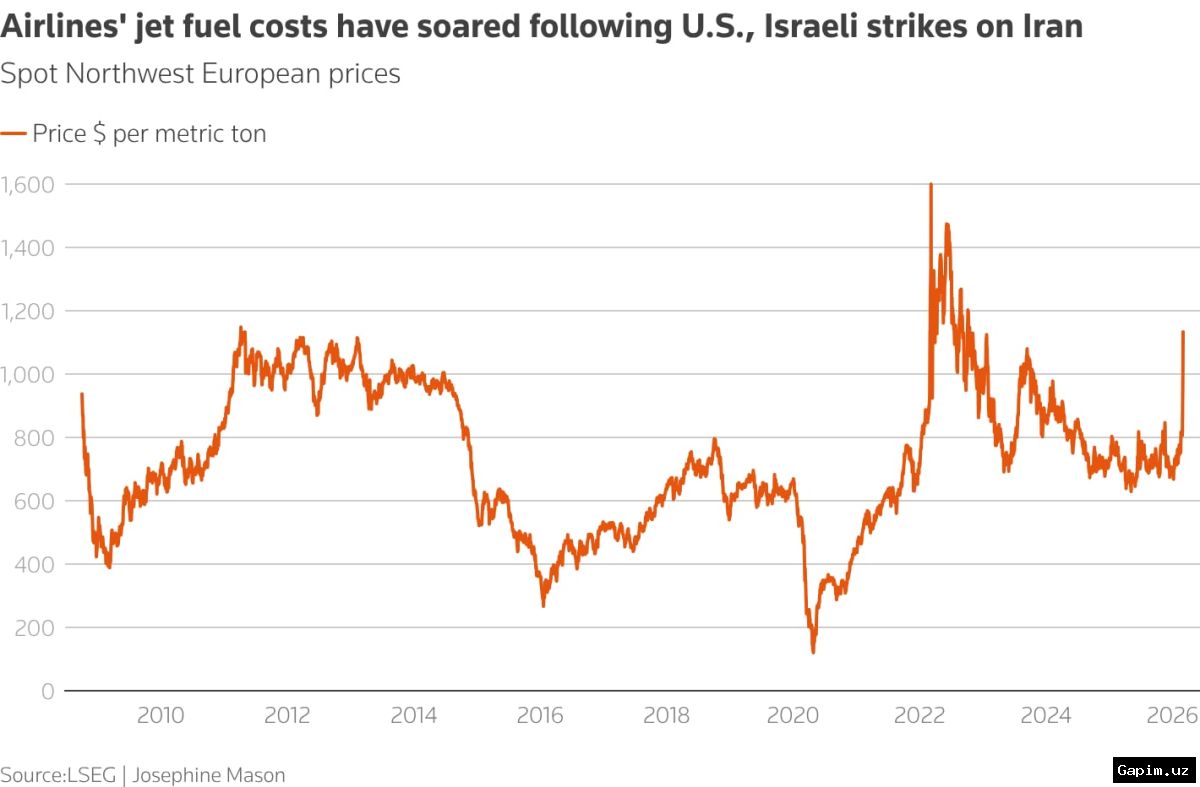
The International Energy Agency reports that the ongoing conflict in the Middle East has triggered a more substantial supply shock to global fuel markets than the 1970s OPEC oil embargo. While the earlier disruption primarily affected countries supporting Israel, today's rising oil and liquefied natural gas prices impact nearly all nations, albeit to varying degrees. Many countries have attempted to mitigate the surge by releasing national oil reserves, but with limited success, prompting diverse governmental responses worldwide.
The German government has agreed to reduce the fuel tax by €0.17 per liter, anticipating a tax shortfall of €1.6 billion. Additionally, employers are encouraged to provide a one-time, tax-free relief bonus of €1,000 to employees. In Ireland, following large-scale protests against rising energy costs, the Dublin government approved a €500 million package, including heating subsidies for approximately 500,000 low-income households and temporary waivers on diesel and gasoline taxes until the end of May.
Turkey employs a sliding-scale fuel tax system introduced in 2018, which automatically decreases as prices rise, though this reduces tax revenue. Finance Minister Mehmet Şimşek recently warned that this approach is only financially sustainable temporarily, not under prolonged high market prices. Asian countries, such as the Philippines, are heavily affected by the Strait of Hormuz blockade, sourcing over 90% of their oil from the Gulf region, leading to doubled fuel prices since February.
Japan and South Korea have implemented price caps: the Tokyo government allocated over €4 billion to maintain average gasoline prices at around €0.91 per liter, with the budget expected to last under three months. Seoul set a cap equivalent to €1.19 per liter in March but raised it by €0.14 shortly after, estimating €3 billion in compensation for refineries and wholesalers, plus additional support for middle- and low-income households. China, less dependent on oil, still saw a 30% increase in pump prices over two months due to limited state regulation cushioning global trends.
India reduced its fuel tax by €0.09 per liter, accounting for about 10% of the price, and raised export taxes on diesel and jet fuel to retain more supply domestically. Pakistan adopted a different strategy, mandating 50% of office workers to work from home, implementing a four-day workweek for civil servants, and requiring government agencies to cut fuel use by 50% for two months.
In Africa, Kenya's regulatory authority sets maximum prices, which remained constant until April 14 when higher caps were introduced alongside a three-percentage-point VAT reduction, resulting in a 16% rise in gasoline and a 24% rise in diesel prices. South Africa uses a monthly pricing formula based on global market rates, with April seeing a tax cut that brought gasoline to €1.27 per liter and diesel to €1.35. Ghana's National Petroleum Authority increased recommended prices by 27% for gasoline and nearly 50% for diesel, though planned tax reductions have yet to materialize.
Mexico reached an informal agreement with most gas station operators for price caps of around €1.18 per liter for gasoline and €1.37 for diesel, supported by weekly €250 million energy tax inflows to the oil sector. In Argentina, the market-oriented government limited subsidies and secured a deal with state-owned YPF to stabilize fuel prices for 45 days, in exchange for higher ethanol blending and a postponed oil tax increase. In the US, the federal government has not intervened to artificially lower prices, though some states, like Indiana, suspended gas taxes, reducing costs by €0.04 per liter.
Source: www.dw.com