Washington, D.C., April 3, 2025 – US President Donald Trump, speaking to reporters on the South Lawn of the White House, claimed that Washington is "very close to making a deal" with Iran. He alleged that Tehran has "agreed to almost everything," including handing over its stockpile of enriched uranium. Trump added that he would consider traveling to Islamabad if an agreement is signed there, stating, "If the deal is signed in Islamabad, I might go."
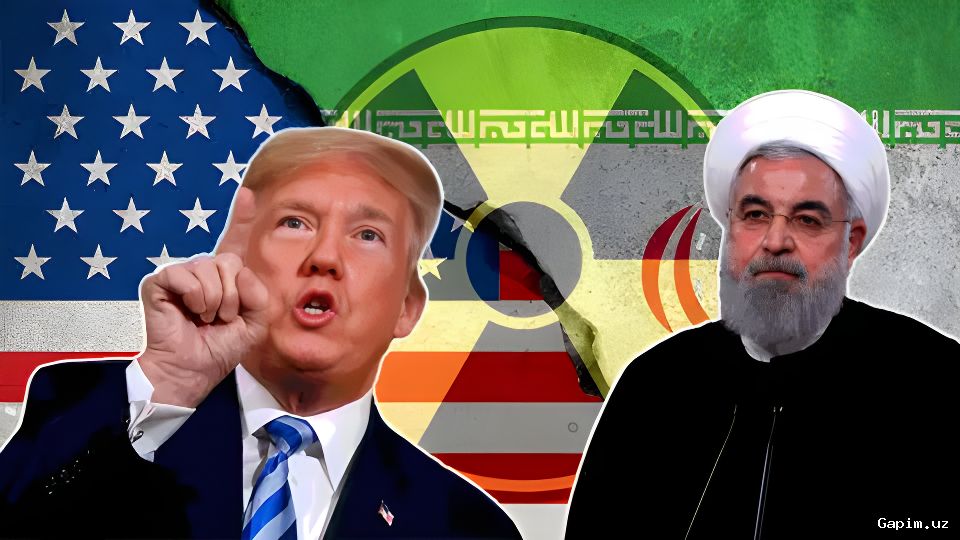
However, Iranian Foreign Ministry spokesperson Esmaeil Baghaei countered these claims, emphasizing that Iran "based on its needs, must be able to continue enrichment." No Iranian official has confirmed agreeing to surrender uranium stocks. Former Pakistani diplomat Asif Durrani dismissed Trump's assertions as "misleading," noting that Iran has the right to peaceful nuclear technology under the NPT and JCPOA frameworks.
Pakistan has emerged as a key mediator in the negotiations. Pakistan's army chief, Field Marshal Asim Munir, held high-level meetings in Tehran, while Prime Minister Shehbaz Sharif pursued parallel diplomatic tracks in Saudi Arabia and Qatar. White House spokesperson Karoline Leavitt acknowledged Pakistan's role as an "incredible mediator," but Durrani cautioned that its influence is limited, and any outcome depends on the political will of the US and Iranian regimes.
The talks are unfolding against the backdrop of an April 22 ceasefire deadline. Trump, speaking in Las Vegas, claimed the war is going "swimmingly" and will end soon, while Iranian hardliners like military adviser Mohsen Rezaei struck a sharper tone, stating readiness for a prolonged conflict. In Islamabad, security has been tightened, and about 100 journalist visa applications have been received, hinting at a potential high-level event.
The substance of the negotiations has shifted significantly from initial US demands—such as ending Iran's nuclear program and curbing missile capabilities—to focusing on enrichment limits and monitoring mechanisms. Analysts attribute this change to evolving ground realities and the need for both regimes to present a "win" to their domestic audiences. Uncertainty persists, and any agreement may hinge on deliberate ambiguity to save face for the involved parties.
Source: www.aljazeera.com