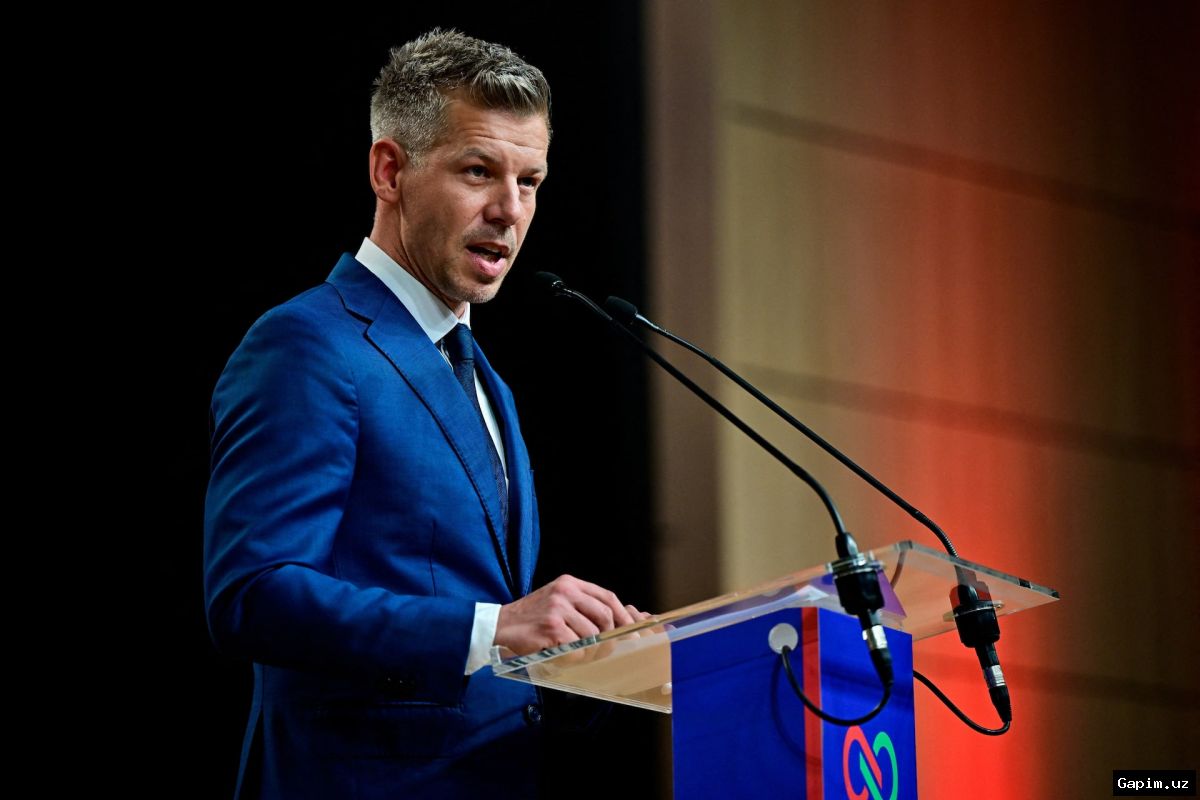
Hungary's newly elected leader, Peter Magyar, who stormed to power last weekend, campaigned on a platform of stepping back from Russia and steering the country back towards the European Union. He aims to reverse the 16-year rule of far-right Prime Minister Viktor Orban, who deepened ties with Moscow. Under Orban, Hungary opposed most EU stances against Russia, blocked sanctions, and obstructed military aid for Ukraine.
Orban and his Fidesz party entrenched Hungary's reliance on Russian oil. According to a 2026 report by the Center for the Study of Democracy (CSD), Hungary's dependency on Russian crude expanded from 61% in 2021 to 93% by 2025. Following Russia's invasion of Ukraine, the EU banned seaborne imports of Russian oil but kept land flows legal, allowing Hungary to continue importing most of its crude via pipeline through Ukraine.
Magyar, leader of the centre-right Tisza party, has promised to end Russian oil imports by 2035, but how realistic is this goal? Hungary has been central to keeping Russian oil and gas flowing into the EU, despite sanctions. Oil arrives via the Druzhba pipeline, which runs through Russia, Belarus, Ukraine to Hungary and Slovakia. In January, the Ukrainian section of the pipeline suffered significant damage, leading to complaints from Hungary and Slovakia about slow repairs.
In natural gas, Hungary remains one of the most dependent EU member states on Russian gas, accounting for roughly three-quarters of its annual imports, the CSD report shows. Long-term contracts with Russia's state-owned Gazprom and the use of the TurkStream pipeline have locked the country into Russia's reconfigured gas export system.
Nuclear energy dependency is another issue: Hungary granted Russia's state nuclear corporation Rosatom the contract to expand the Paks nuclear plant, 100km southwest of Budapest. Russia provided a state loan to finance most of the new reactors' development. Magyar says he intends to reassess the project's financing, but the Paks plant provides 40-50% of Hungary's electricity, with expansion plans set to increase that to 60-70%.
Research indicates Hungary could diversify its energy supply by importing non-Russian oil via alternative sources like the Adria pipeline, which transports crude from the Adriatic Sea to Hungary, Slovakia, Croatia, and Serbia. However, any diversification will likely be more expensive, as Russian oil comes at a discounted rate due to Western sanctions.
Magyar called dependence on Russian energy a "systemic risk" and pledged to wean Hungary off it by 2035. However, achieving this before the EU's 2027 deadline may prove challenging, potentially sparking discussions in Brussels. Pawel Zerka, a senior policy fellow at the European Council on Foreign Relations, noted that the new leader will seek to balance respecting current contracts with Moscow to ensure energy security while establishing political distance, given the complex international situation, including the closure of the Strait of Hormuz.
Source: www.aljazeera.com