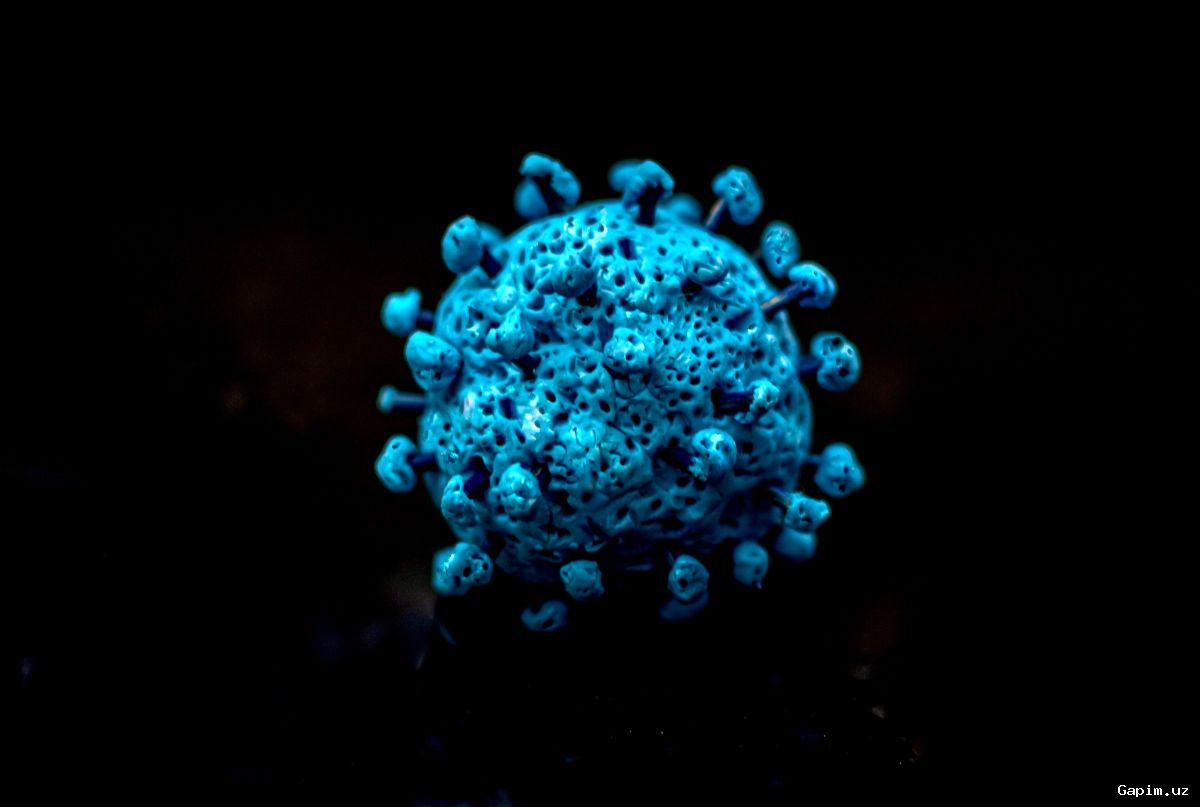
In recent weeks, media outlets have reported the spread of a new coronavirus variant, BA.3.2, dubbed "Cicada". According to the World Health Organization, the mutation has been registered in 23 countries. Nurmat Otabekov, First Deputy Chairman of the Committee for Sanitary-Epidemiological Well-being and Public Health, noted that the strain was identified earlier and is spreading slowly, hence its name after the cicada insect, which can remain in a "dormant" state for up to 17 years.
Assessing the situation, Otabekov emphasized that the epidemiological situation in Uzbekistan remains stable. Collective immunity covers approximately 80% of the population, significantly reducing risks. "It is incorrect to spread alarming messages about new strains—there is no basis for panic," the specialist stated.
WHO information indicates no serious cause for concern: evidence that "Cicada" is more dangerous than other variants has not been identified so far. In clinical manifestations, the "Cicada" strain is similar to the "Omicron" variant, with symptoms including runny nose, cough, sore throat, redness of mucous membranes, and in some cases, loss of smell and taste. Children, the elderly, patients with chronic respiratory diseases, and those with weakened immune systems are particularly susceptible to the virus.
Experts recommend limiting contact with people who have recently returned from regions where virus hotspots have been identified and continuing to adhere to preventive measures. According to Otabekov and his colleagues, there is currently no basis to expect an epidemic or pandemic due to "Cicada", so residents are urged not to succumb to panic.
Source: podrobno.uz