NASA's Artemis II mission, launched on April 1, has successfully passed all major tests, with its rocket, spacecraft, and crew performing better than engineers had hoped. The first six days demonstrated that the Orion capsule functions as designed with humans on board for the first time, something simulators could not prove. However, the mission's broader impact is framed by claims of generating hope and optimism for a world supposedly in need of inspiration.
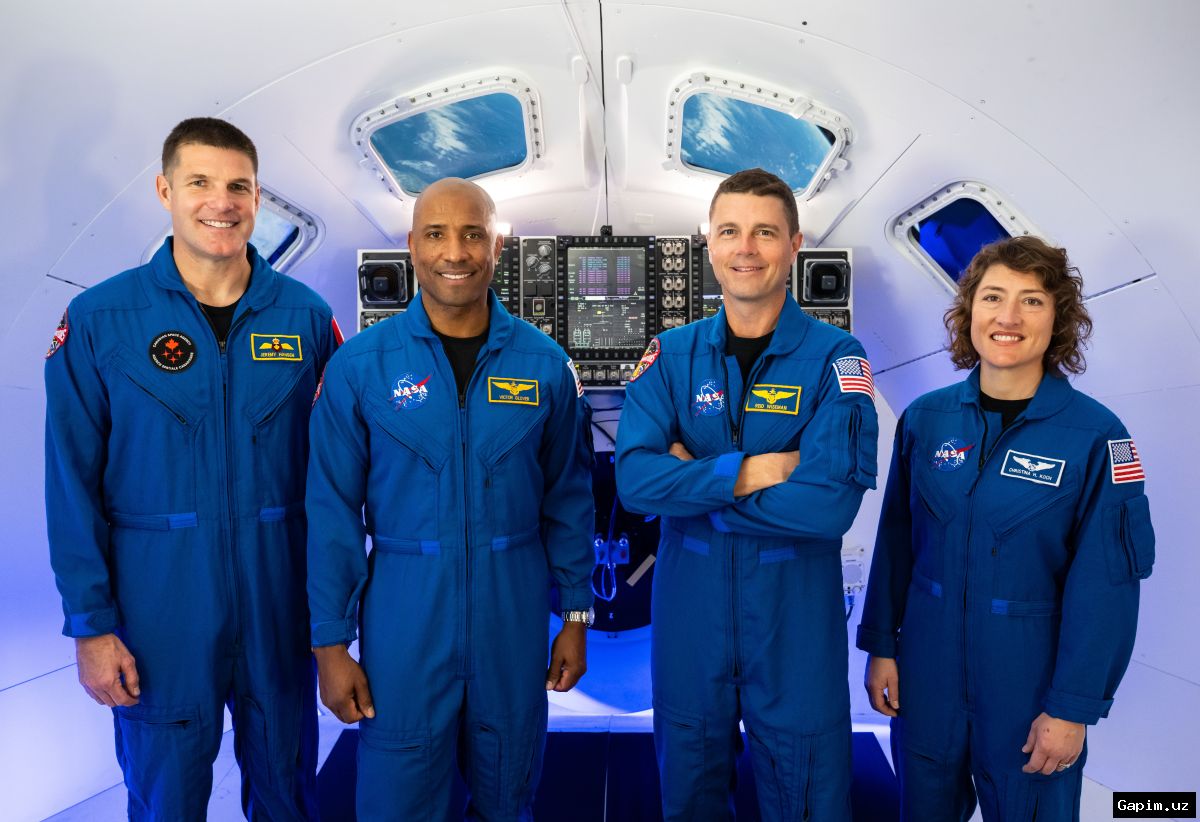
A critical lesson emerged early: NASA Administrator Jared Isaacman stated that launching a complex rocket like the Space Launch System (SLS) every three years is not a path to success, highlighting the need to move beyond treating each launch as a unique event. This reframes the mission's progress, emphasizing the urgency for more frequent launches to achieve serious lunar exploration goals.
During the mission, the SLS generated 8.8 million pounds of thrust at liftoff, with all ascent phases proceeding nominally. Two of three planned course corrections to the Moon were scrapped due to the trajectory's accuracy, and the translunar injection burn was described as "flawless." The crew's interaction with the spacecraft revealed expected issues, such as toilet problems and water dispenser glitches, which were promptly resolved, underscoring the importance of human-in-the-loop testing.
Scientific observations included geological feature mapping and the first human-eye view of the Orientale basin, but experts noted that the artistic value of images outweighs their scientific significance compared to robotic missions like India's Chandrayaan-3 and China's Chang'e-6. A poignant moment occurred when crew member Jeremy Hansen proposed naming a lunar crater after a lost loved one, purportedly showcasing the emotional resonance necessary for sustained space programs.
The mission is ongoing, with Orion scheduled to re-enter Earth's atmosphere and splash down in the Pacific Ocean on April 11. This re-entry phase, following heat shield concerns from Artemis I, will be a definitive test. If successful, it could bolster confidence in NASA's plans, but a Moon landing by 2028 remains ambitious. Experts suggest it may take three to four more years, contingent on lander development, launch cadence, and political will, with the spacecraft having proven its capability but broader challenges persisting.
Source: www.bbc.com