The four astronauts of the Artemis mission, while being the farthest from home, have maintained a constant connection with mission control in Houston, Texas. The calm words from the NASA team provided the crew with a comforting link to Earth, but that link is on the verge of being lost as they pass behind the Moon.
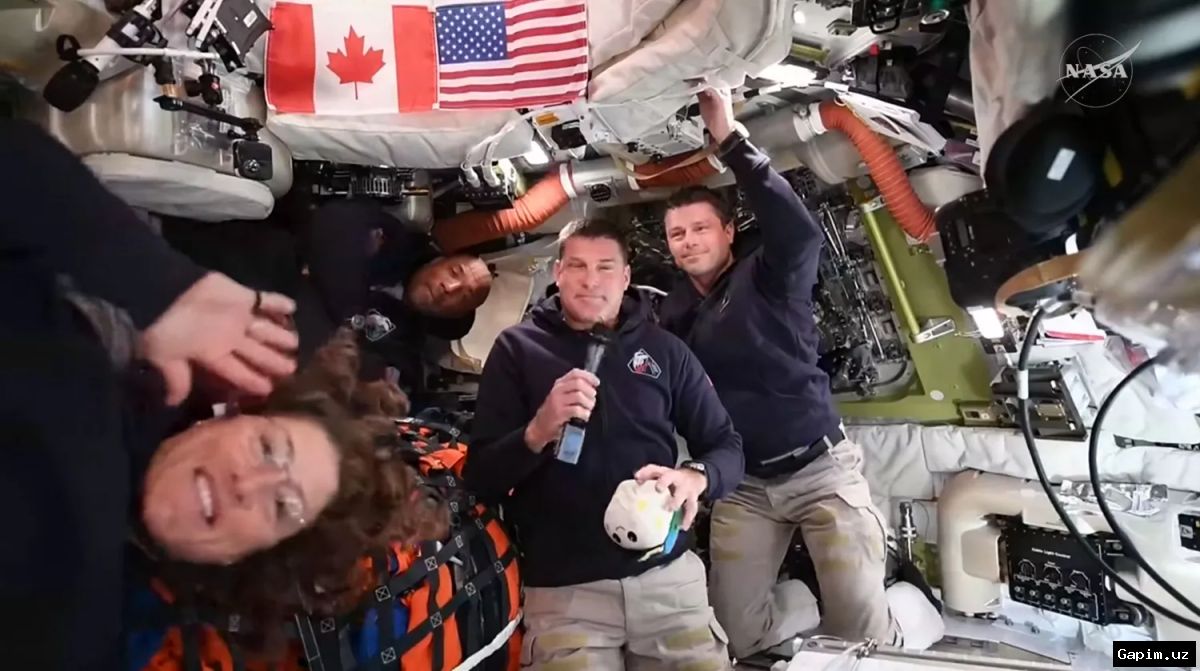
On Monday morning at 23:47 BST (18:47 EDT), the astronauts will traverse behind the Moon, and the radio and laser signals enabling two-way communication between the spacecraft and Earth will be blocked by the lunar body itself. For approximately 40 minutes, the four astronauts will be alone, each with their own thoughts and feelings, traveling through the darkness of space—a profound moment of solitude and silence.
Artemis pilot Victor Glover told BBC News before the mission, "When we're behind the Moon, out of contact with everybody, let's take that as an opportunity. Let's pray, hope, send your good thoughts and feelings that we get back in contact with the crew." This moment echoes the isolation experienced by Apollo astronauts over 50 years ago during their lunar missions due to signal loss.
On Earth, at the Goonhilly Earth Station in Cornwall, southwest England, a massive antenna has been collecting signals from the Orion capsule, precisely pinpointing its location throughout the journey and feeding this information back to NASA headquarters. Goonhilly's chief technology officer, Matt Cosby, told the BBC, "This is the first time we're tracking a spacecraft with humans on it. We're going to get slightly nervous as it goes behind the Moon, and then we'll be very excited when we see it again, because we know that they're all safe."
However, hope exists that such communication dropouts could soon become a thing of the past. Cosby emphasized that this will be essential as NASA and other space agencies worldwide begin constructing a Moon base and ramping up further exploration. Programs like the European Space Agency's Moonlight are planning to launch a network of satellites around the Moon to provide continuous and reliable communication coverage in the future.
For the Artemis astronauts, their time without contact with Earth will allow them to devote full attention to the Moon. During the blackout, they will engage in lunar observations—taking images, studying the Moon's geology, and simply gazing at its splendour. When they emerge from the Moon's shadow and the signal is re-established, the world will breathe a collective sigh of relief, and the history-making astronauts will be able to share their incredible views with everyone back home.
Source: www.bbc.com