The Strait of Hormuz, a critical chokepoint handling 25% of global maritime oil trade, has been plunged into crisis following strikes by the United States and Israel on Iran in late February and Tehran's subsequent closure of the strait. Brent crude prices have surged to nearly $120 per barrel, forcing Gulf producers to cut output, while alternative pipeline routes can only move 5-6 million barrels per day, exacerbating global economic strains and highlighting the fragility of energy supply chains.
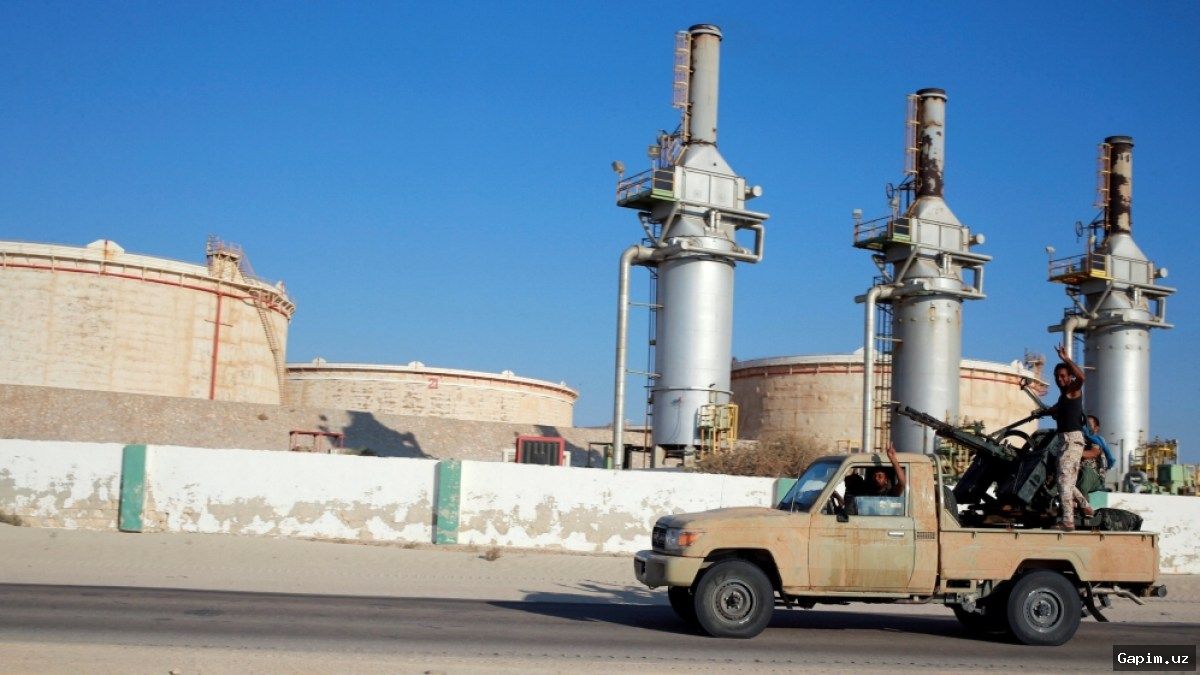
Europe is now turning to its southern neighbor Libya as a potential energy source, given its production of light, sweet crude grades needed by European refiners and its proximity to Italian refineries, with delivery times of just 48 hours. However, Libya has lacked a single functioning government since 2014, with the internationally recognized Government of National Unity (GNU) under Abdul Hamid Dbeibah in Tripoli and renegade military commander Khalifa Haftar controlling eastern territories through force. Haftar's self-styled Libyan National Army (LNA) holds key oil export terminals and fields, making oil flow contingent on his decisions, a dynamic that has repeatedly disrupted supplies during political disputes.
In 2022, amid another European energy crisis triggered by Russia's invasion of Ukraine, a private bargain was struck between GNU national security adviser Ibrahim Dbeibah and LNA deputy commander Saddam Haftar, Khalifa's son, leading to the creation of Arkenu, a private oil company designed to channel revenues outside Tripoli's control. A leaked UN report confirmed that Arkenu systematically diverted billions in oil revenues to private accounts abroad, draining state coffers while keeping fields operational. Last Thursday, Tripoli terminated the Arkenu agreement over corruption allegations, but this collapse has left no credible replacement to ensure oil flow, heightening risks to European energy security.
The US regime has attempted to broker new talks between Tripoli and Haftar's camp, led by Trump's senior adviser Massad Boulos through meetings in Paris and Tunis, focusing on unifying the national budget and stabilizing the economy while deliberately sidelining elections. This transactional approach prioritizes stability without accountability, but progress remains limited, with Haftar's son publicly rejecting some outcomes as nonbinding. Haftar retains leverage to close oil ports again, potentially forcing Europe into a scramble for solutions to its energy dilemmas, underscoring the failure of external mediation efforts.
Concurrently, European conflicts are impacting Libyan waters: in March, Ukrainian naval drones allegedly launched from the Libyan coast near the Mellitah oil and gas complex struck a Russian liquefied natural gas tanker part of a shadow fleet to evade sanctions, leaving it damaged and adrift. Additionally, an explosion on an export pipeline at the Sharara oilfield in southwestern Libya, where Russian-made munitions were reportedly found, raised suspicions of sabotage. These incidents, akin to the Hormuz crisis, threaten energy supplies, demonstrating how proxy wars between Russia and Ukraine are now playing out on Libya's oil infrastructure at Europe's doorstep, further complicating regional stability.
Source: www.aljazeera.com