Growing income inequality and conspicuous displays of billionaire influence are fueling calls for new income and wealth taxes targeting the world's wealthiest individuals. While many people dislike paying taxes, numerous voters see no issue in taxing the super-rich and compelling them to contribute their "fair share" to society.
In the United States, former Massachusetts Governor and Senator Mitt Romney has highlighted significant problems with capital gains loopholes. In a December 2025 guest essay for The New York Times titled "Tax the Rich, Like Me," he wrote, "We have reached a point where any mix of solutions to our nation's economic problems is going to involve having the wealthiest Americans contribute more." New York City's new mayor, Zohran Mamdani, has proposed raising the city's income tax rate from 3.9% to 5.9% on annual incomes over one million dollars.
However, implementing a wealth tax faces substantial hurdles. Since 1965, 13 OECD countries have imposed a net wealth tax, but today only four nations, including Norway, Spain, and Switzerland, still maintain one. These taxes have generated minimal revenue and caused administrative headaches, alongside legal challenges: in 1995, Germany's Constitutional Court ruled its wealth tax unconstitutional, and in 2021, the Dutch Supreme Court found it violated European law on property rights and non-discrimination.
Another major issue is the valuation of wealth. While cash is straightforward to count, assessing homes, cars, private jets, investments, art collections, and safe deposit box contents is complex and costly, especially if required annually. Moreover, a wealth tax can disincentivize saving and investing, harming entrepreneurship long-term, and may lead to capital flight and relocation of wealthy individuals to other jurisdictions, as seen in Norway after a minor tax increase.
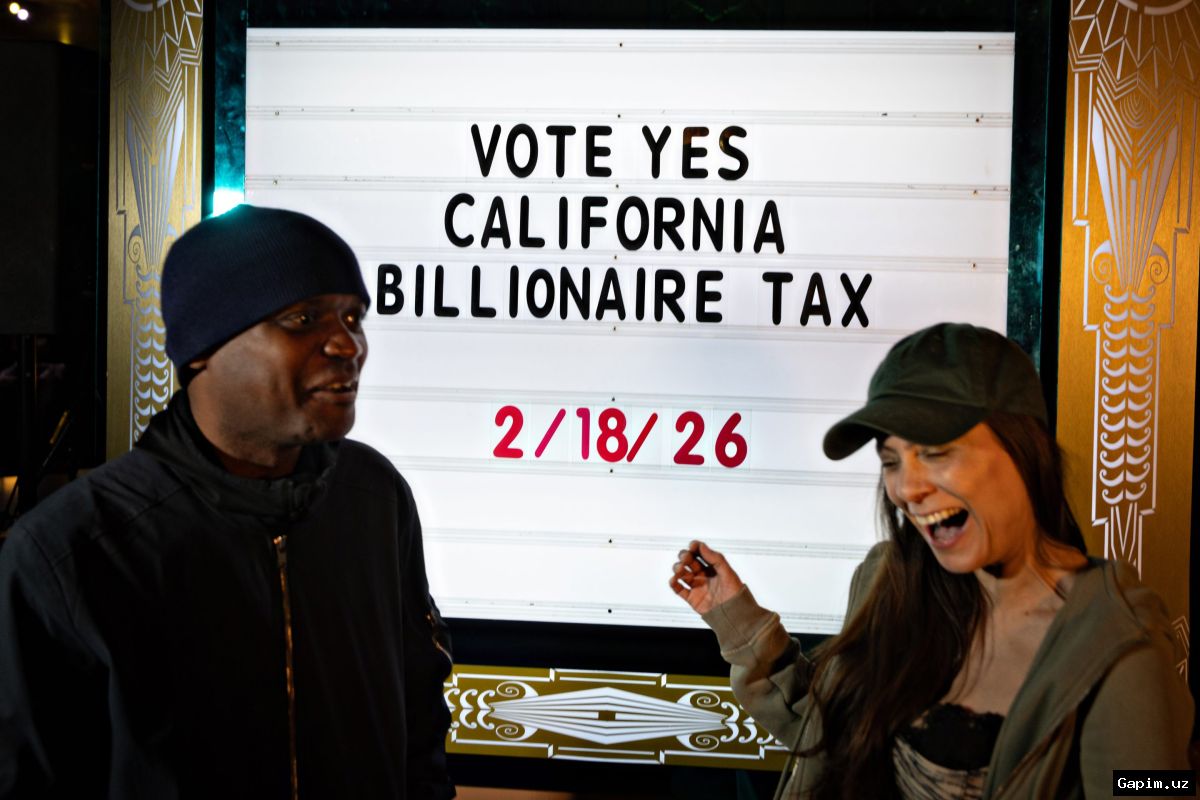
California is potentially leading the way with a proposal for a one-time 5% tax on individuals worth over $1 billion. If placed on the November ballot, this would be a significant test for a major economy. Supporters claim the tax will raise revenue, but critics argue it could drive the rich to relocate to states like Texas, Florida, or Nevada. Governor Gavin Newsom opposes the idea, as it taxes illiquid wealth and unrealized gains, which might force some to sell assets like homes or company stakes to pay their tax bill.
Source: www.dw.com