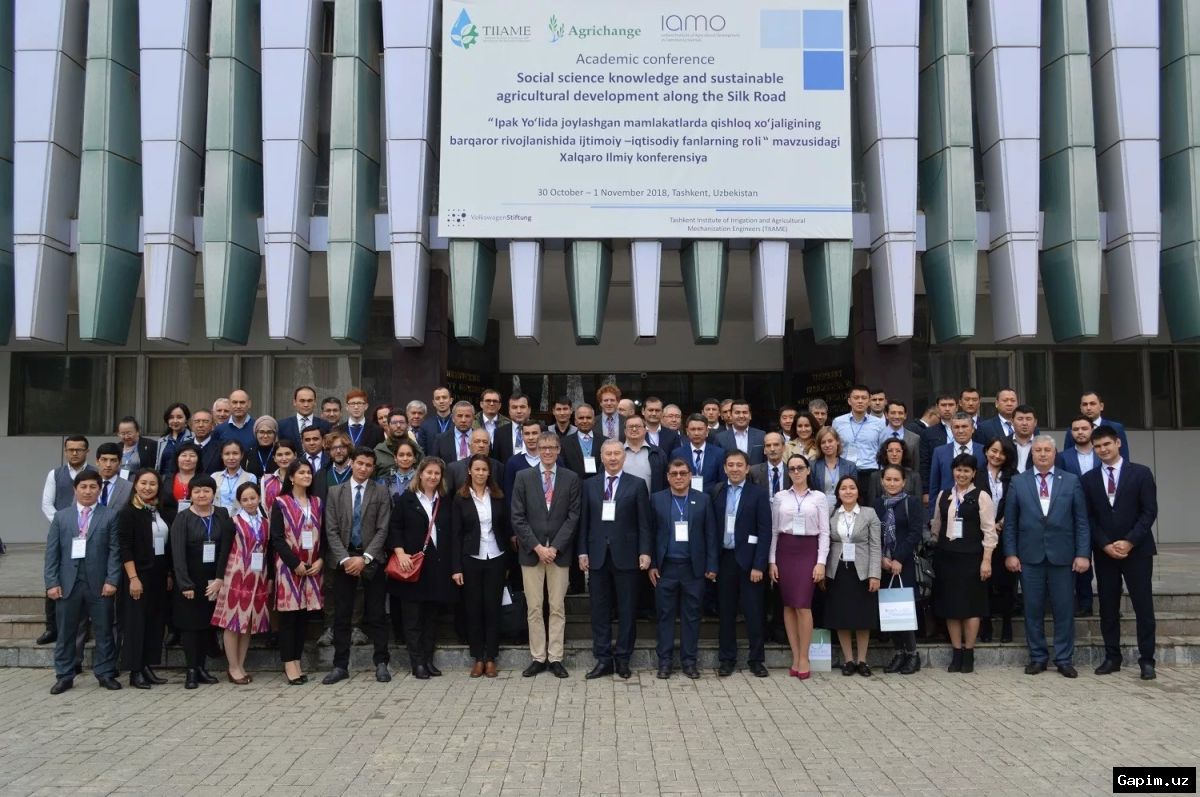
Uzbekistan is undertaking a comprehensive reform of its engineering education system for agriculture and water management. The changes primarily affect the Tashkent Institute of Irrigation and Agricultural Mechanization Engineers, where new learning formats are being introduced, practical training for students is being strengthened, and additional opportunities for admission and development of master's programs are being created. A corresponding decree signed by the head of state has officially enacted these reforms.
Starting May 1, 2026, education will be restructured with a focus on practical application. Students will undergo a six-month qualification internship under a dual system, including visits to real-world sites. Additionally, a “4+2” format is being implemented, integrating theory and practice throughout the academic year. Classes will be held not only in classrooms but also at the bases of specialized organizations and in regional “Water Schools.”
Under the “technical college – university” principle, the Tashkent Geodetic and Cartographic Technical College will be merged with the university. A General Engineering Faculty will be established on its basis. From the 2026/2027 academic year, special preparatory courses for local and international students will be launched in academic disciplines such as STEAM, language training, academic writing, and national strategic criteria. The training will be conducted on a contractual basis over one year, adhering to international standards.
From the 2027/2028 academic year, graduates of the preparatory courses with high grades will be able to enroll in the University based on exam results. Furthermore, the master's specialty “Water Diplomacy” is being renamed to “International Water Diplomacy,” and graduates will be awarded the qualification of “Specialist in International Water Relations.”
In Uzbekistan, these updates impact the entire higher education system. The Ministry of Justice has re-approved a document that defines the structure of the university system—from the organization of the educational process to the rights of students and teachers—contributing to more precise regulation of higher education institutions.
Source: podrobno.uz