National carrier Uzbekistan Airways will commence repatriation flights on the Jeddah–Tashkent route starting March 2. These flights are intended for Uzbek citizens previously transported to the Kingdom of Saudi Arabia under the Umrah program. The transportation aims to facilitate the phased return of all pilgrims to their homeland.
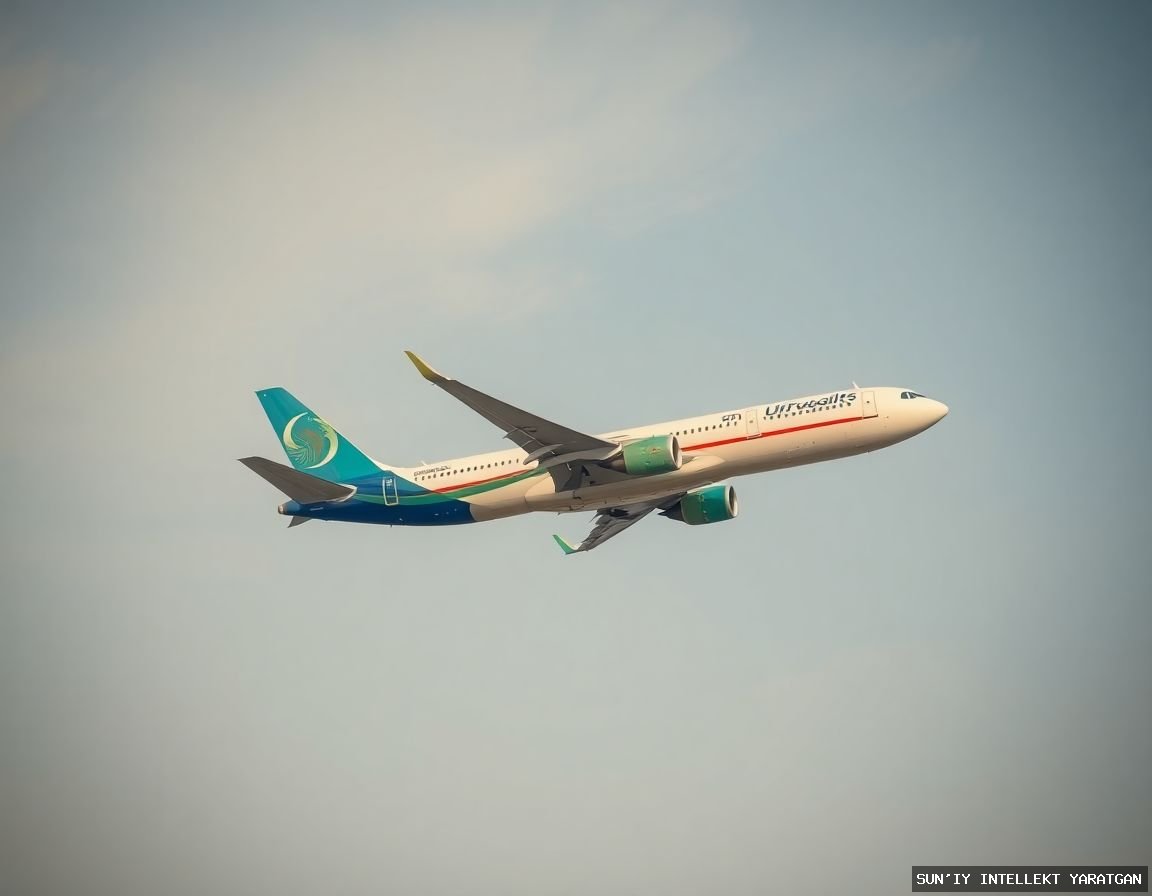
Simultaneously, by order of the republic's aviation authorities, all airlines in the country are instructed to suspend pilgrim transportation to Saudi Arabia under the Umrah program until further notice. The restriction also applies to flights on the Tashkent–Jeddah–Tashkent route.
The airline apologized for any inconvenience and recommended passengers monitor official information.
Recall that on February 28, Israeli armed forces attacked military facilities in Iran, as confirmed by the country's Defense Minister Israel Katz, who described the actions as a preventive measure. Following the operation's start, Israeli authorities declared a state of emergency nationwide.
Later, U.S. President Donald Trump officially confirmed the start of a large-scale military operation against Iran, conducted jointly with Israel, aimed at eliminating an "immediate threat" and preventing Tehran from acquiring nuclear weapons.
The situation in the Middle East region has escalated into a stage of large-scale military confrontation. After the joint U.S.-Israel operation against targets in Iran, Tehran initiated a massive retaliatory attack affecting not only Israel but also neighboring Arab states.
On Sunday, March 1, state media of the Islamic Republic officially confirmed the death of Iran's 86-year-old Supreme Leader Ali Khamenei, resulting from a large-scale joint U.S.-Israel air operation.
According to pre-developed succession plans for emergencies, Ali Larijani has been appointed to manage the crisis. Iran has activated command transfer protocols prepared by Khamenei in case of the elimination of top leadership. The region remains highly tense, with armed forces on high alert.
Source: podrobno.uz