Uzma Bashir, a 29-year-old accountant from Srinagar in Indian-administered Kashmir, sleeps with her phone next to her pillow. She often wakes not to check messages, but to monitor gold prices — she is getting married this summer. “In Kashmir, gold is not just an ornament, it is dignity. It determines how you will be treated in your in-laws’ home,” she says. Earning less than $100 a month, Bashir had hoped to buy her wedding jewellery herself to avoid burdening her parents, but even a single ring costs nearly three months of her salary.
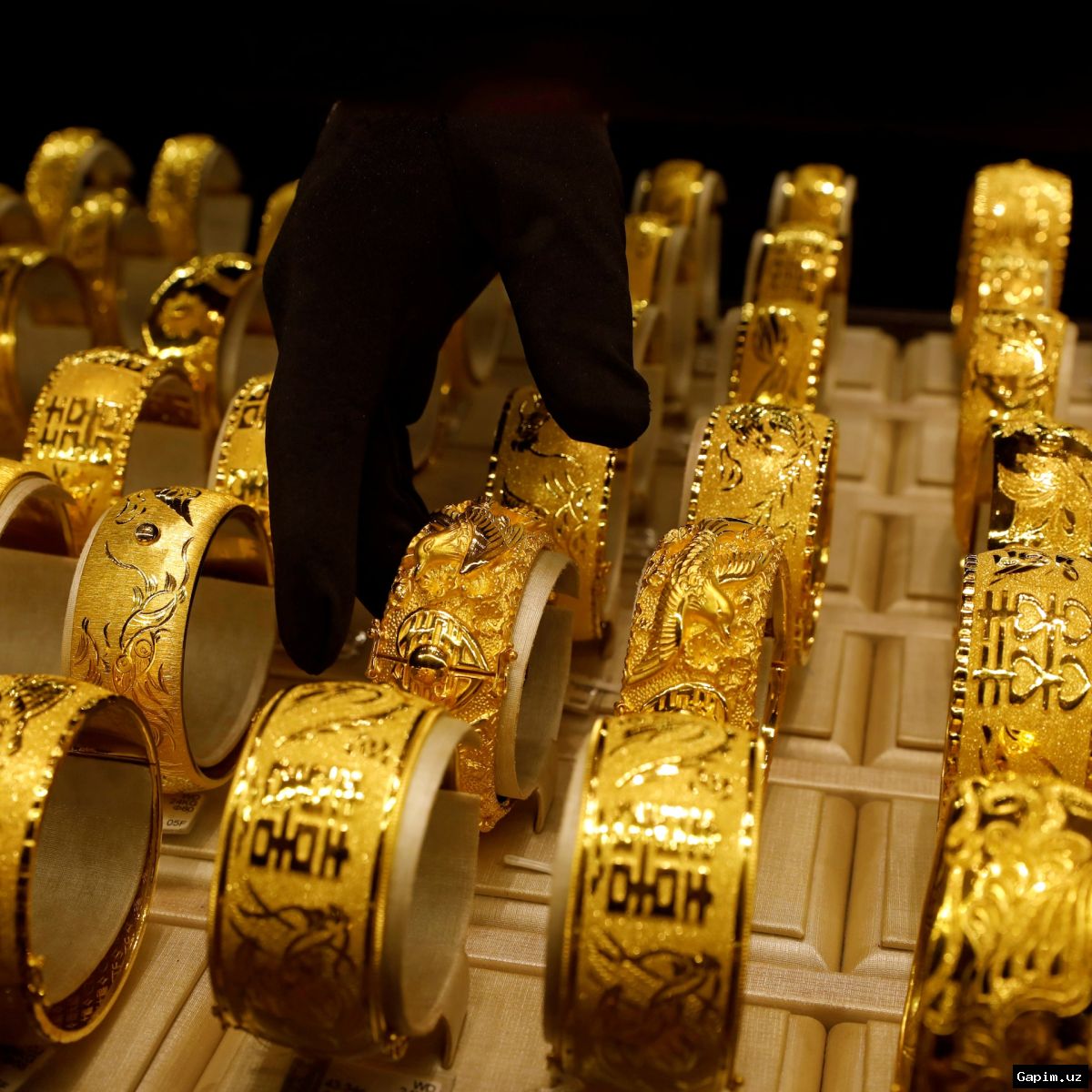
Record gold prices have hit jewellery purchases across South Asia. The precious metal hit a high of $5,595 per ounce on January 29 and currently trades around $4,861. In India, the world’s second-largest gold consumer, gold futures closed at $1,670 per 10 grams during the Akshaya Tritiya festival — 63% higher than last year. The World Gold Council reports a 24% drop in demand for gold jewellery in India in 2025.
The surge has reshaped wedding planning. Jewellers report customers abandoning pure gold for imitation jewellery, gold-plated ornaments, or lower-carat alternatives. Bashir discovered “one-gram gold jewellery” — base metal ornaments coated with a thin layer of 24-carat gold. “It has emerged as a lifesaver. Now I can wear it on my wedding day and no one would point a finger,” she says.
In Pakistan, gold jewellery sales have fallen by about 50% over the past year. Many buyers opt for 18 or 12-carat gold or gold-plated items. Ayesha Khan, shopping for a family wedding, says: “It’s not that we don’t want to wear real gold. Of course we do. But the circumstances in Pakistan are very difficult right now.” A tola (11.668 grams) of gold costs around 540,000 Pakistani rupees ($1,938). A gold-plated bridal set costs 40,000-60,000 rupees ($143-215), while the same design in real gold can cost hundreds of thousands or millions of rupees.
In Bangladesh, the price of 22-carat gold in Dhaka hit a record $2,200 per “bhori” (11.668 grams). With a per capita income of around $2,600, gold is unaffordable for most. Shop owner Enayet Hossain says demand for imitation jewellery has soared: small imitation earrings cost as little as 200-500 taka ($1.5-$4). Shopper Sadia Islam adds: “I don’t think we can casually wear gold anymore, the way our mothers used to. It has simply become too expensive.” She also fears theft: “What if I wear real gold to a wedding and it gets stolen?”
In Indian-administered Kashmir, Shabana Khan and her fiancé Shahbaaz Khan are getting married in two months. Shabana dreamed of wedding jewellery, but real gold is too expensive. After seeing social media videos about “one-gram gold jewellery,” they travelled 85 km to Srinagar. “The jewellery looked just like real gold. At least with this concept, she can enjoy her dream,” says Shahbaaz.
But one-gram gold doesn’t work for everyone. Rihanna Ashraf, 40, from a family of artisans, supported her mother and siblings after her father died. Marriage proposals fell through due to gold demands. “One family agreed. My mother was so happy. But when we met them, they demanded gold worth more than everything we had. The proposal fell through,” she says. She remains unmarried, like nearly 50,000 women in Srinagar alone considered “past their marriage age.”
Nisar Ahmad Bhat, a jeweller in Srinagar, notes a shift in attitudes: more families buy gold only for investment, while interest in symbolic substitutes grows. “People want the happiness of wearing gold, but within an affordable range. Gold will always remain gold. But people may begin to see it more as an investment, not as something they can casually afford,” he says.
Source: www.aljazeera.com