RAMALLAH, Occupied West Bank – Hani Odeh has spent four and a half difficult years as mayor of Qusra, a small Palestinian town of about 6,000 people southeast of Nablus. Surrounded by illegal Israeli settlements and outposts, the town faces relentless settler attacks that killed two residents last month.
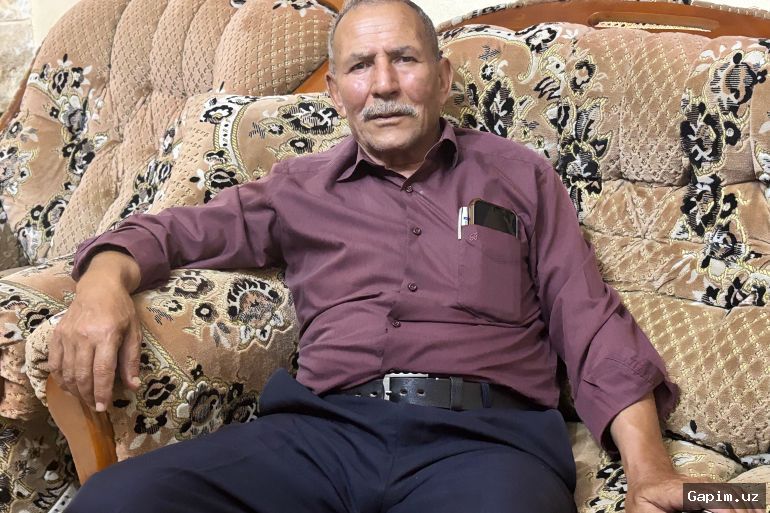
Many residents cannot access their agricultural fields as settlers repeatedly damage water pipes. Odeh is not running for re-election. “The resources are limited, the demands are many, there’s the settlers, the army – the problems don’t stop,” he says. “I’m exhausted. I just want to rest.”
The Palestinian Authority (PA) announced local elections for April 25 – the first in nearly five years. No national elections have been held since 2006, leaving the Fatah-led PA in power for over 17 years past its mandate. According to the Palestine Elections Commission, 5,131 candidates are competing for 90 municipal and 93 village councils, with nearly a third of voters aged 18-30.
However, major cities like Ramallah and Nablus will not hold competitive elections; instead, they will be decided by acclamation – a process where a single list of candidates is elected without a vote. This method, historically used in small villages, is now applied in PA strongholds where Fatah mobilization has discouraged challengers.
Many Palestinians express deep skepticism. Fatima, a businesswoman, says: “They will choose new decision-makers, but I believe they will do the same as the old ones.” Sara Nasser, 26, adds: “We’ve always lived like this.” Yet some are hopeful: Iyad Hani, 20, will vote for the first time, saying, “Hopefully, the one coming is better than the one who left.”
The elections are overshadowed by widespread distrust of the PA. Polls indicate 70-80% of Palestinians distrust the institution. Analyst Obada Shtaya notes, “Pessimism, lack of hope, helplessness – it is beyond the classical distrust in the PA.” A new amendment requiring candidates to affirm commitment to PLO agreements is seen as a move to exclude Hamas, further tainting the process.
Despite the apathy, some see a thirst for democracy. “Palestinians are thirsty for democracy,” says a pollster, but the proper architecture – credible elections, a functioning legislature, accountability – is missing. Without that, elections remain superficial.
Stepping down, Odeh plans to open a toy shop and build a house. “Let people breathe,” he says. “We’re here. We’re not going anywhere.”
Source: www.aljazeera.com