️ Since Chernobyl, Ukraine has lived under the shadow of nuclear disaster. Now, with Russia targeting its power grid, the country faces a new nuclear risk. The response is reshaping global thinking about energy in wartime.
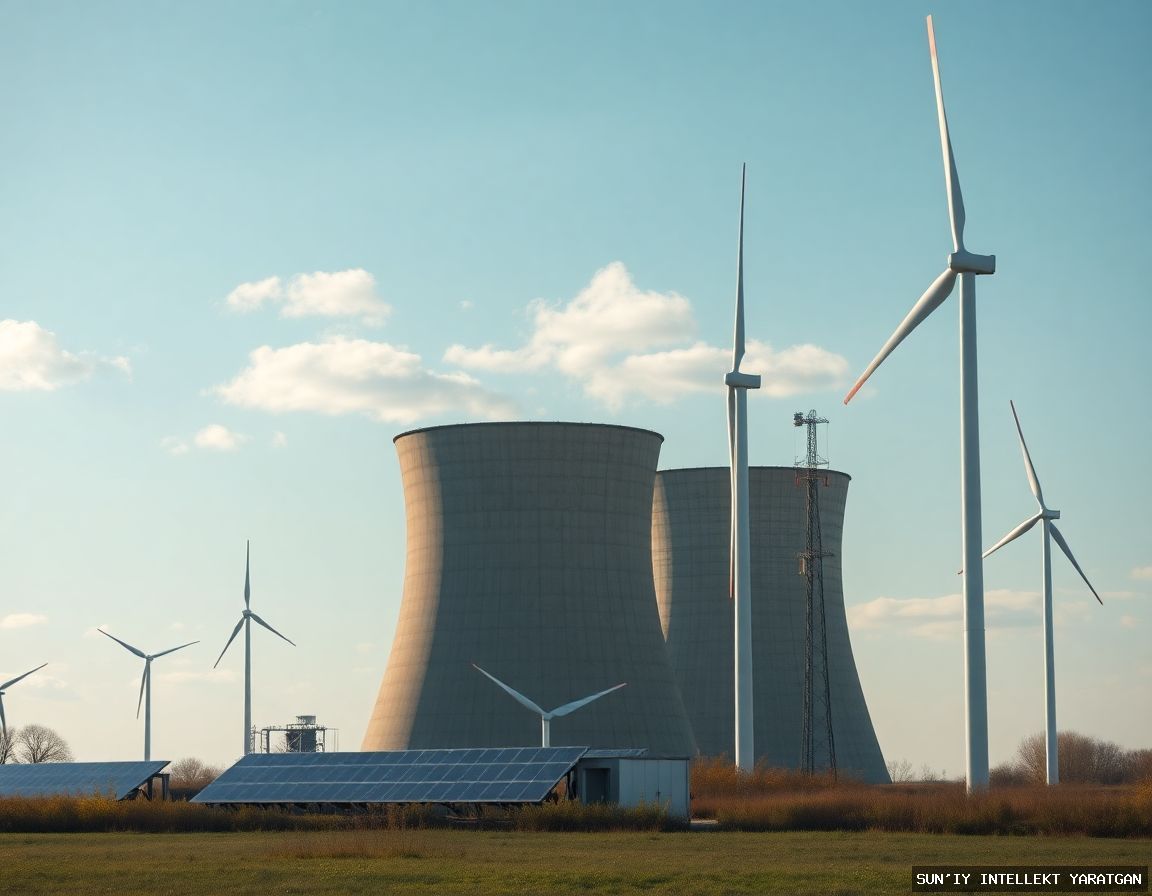
️ In autumn 2024, Russia launched massive aerial assaults on Ukraine's energy system, raising fears for the safety of its nuclear power plants. Several reactors disconnected from the grid; one shut down entirely.
️ Shaun Burnie, a veteran Greenpeace nuclear specialist who has worked in some of the most radioactive places on Earth, recalled that night: "It wasn't that we were scared — it was that we were terrified." The danger lay in potential failure of cooling systems for reactor cores and spent fuel.
️ Nuclear plants rely on constant external power for cooling. If the grid fails, they switch to diesel generators. In a worst-case scenario, if they cannot reconnect, cooling fails and reactors overheat. Ukraine knows the consequences: on April 26, 1986, a reactor at Chernobyl exploded, forcing mass evacuations and contaminating large parts of Europe.
️ Lena Kondratiuk, 25, from Rivne in western Ukraine, said: "Chernobyl is part of our collective memory. Everyone has family stories about it. And now, during the war, this meaning has become even more real."
️ Ukraine still relies on nuclear energy for more than half its electricity and plans to build more reactors. Though the worst case has not occurred, the threat persists as Russia continues targeting energy infrastructure. More than half of Ukraine's power generation capacity has been damaged or destroyed. The International Atomic Energy Agency (IAEA) has called the situation "the world's biggest threat to nuclear safety."
️ Because large centralized plants are easy targets, decentralization is an attractive idea — and that means more renewables, which are harder to target, cheaper to fix, and faster to deploy. Chris Aylett, an energy specialist at UK think tank Chatham House, noted that while one missile can destroy a 250-megawatt coal plant, it would take 40 to destroy the same wind capacity. Solar parks are also more resilient.
️ These benefits are driving Ukrainian energy companies and NGOs to push renewables. Rooftop solar now covers hospitals, schools, and public buildings. In 2025, the country installed enough capacity to power over a million homes, all while under fire.
️ Kondratiuk joined the NGO Ecoclub as a volunteer at 18, becoming a renewables analyst in 2020. After Russia's full-scale invasion, the organization launched the Solar Aid for Ukraine campaign. At 21, she began managing projects. Initially daunted, she agreed "because of the war, because I understand that I could die tomorrow."
️ Her work now takes her to Mykolaiv, about 60 km from the front line. On her first trip, the city was being shelled and running on diesel generators. "I didn't want to come back because I was scared," she says. Now she makes the 13-hour trip monthly, even as Russia targets passenger trains. She loves the city for its people: "They teach that even during such a war, it's still possible to find happy moments."
️ Despite risks, Kondratiuk has helped bring nearly 90 solar systems online. In places like Mykolaiv, these systems are lifelines. "Renewable energy in Ukraine is not about climate and sustainability; it's about surviving now," she says. "It's about access to basic needs."
️ Solar and battery systems keep water utilities running during blackouts, enable hospitals to operate, and allow children to charge phones to stay in touch with parents. One project installed solar panels at a care home for women with mental health conditions. Before installation, staff woke at 4 a.m. to prepare meals ahead of power cuts, but patients often went without warm food. "After that, they were happy because they had access to everything," she says.
️ The priority for Ukrainians is keeping power flowing. Nuclear has been essential, and without it, experts say Ukraine would be in a far worse position given how much fossil fuel capacity has been destroyed. The country still needs baseload power.
️ Aylett has studied what other European countries can learn from Ukraine's experience of running a grid under constant attack. "They've gone through this terrible experience, they've shown amazing ingenuity at rebuilding fast, and it's told us a lot about what's vulnerable," he says.
️ The main lesson is geographical spread of infrastructure, regardless of energy source. Diversifying the mix with more renewables and storage is another, as is stockpiling and standardizing components so restoration takes weeks rather than months. Aylett says the war and the Strait of Hormuz conflict have strengthened the case for rapid decarbonization and renewables in "fossil-fuel poor" Europe.
️ On nuclear's future, he is pragmatic: "Ultimately you just want to build out as much low carbon as you can, and make it as secure as you can while you're doing it."
️ Kondratiuk is glad she was born long after Chernobyl, even as she lives through a different disaster. She expects the war to continue but looks to the future: "I still want to help my country, continue my work at Ecoclub, and I think even after the war and our victory, there will be even more work than now because we have to rebuild the country in a greener and better way."
️ This story was adapted from an episode of DW's Living Planet podcast.
Source: www.dw.com