️ As the US war with Iran rages on, Washington is opening a new military front in Latin America. Under President Donald Trump's second term, his administration has sought to exert dominance over the Western Hemisphere, coinciding with military operations across the region. At Thursday's inaugural 'Americas Counter Cartel Conference', White House security adviser Stephen Miller assured that US military priorities in Latin America would remain top-tier regardless of events in the Middle East.
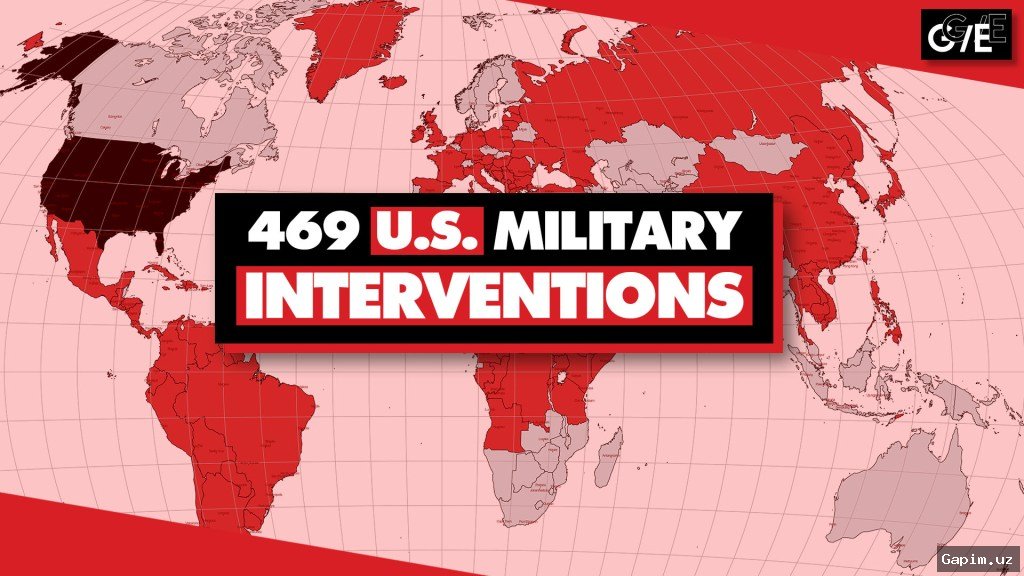
️ Miller stated, 'We are not going to cede an inch of territory in this hemisphere to our enemies or adversaries,' adding that the US is 'using hard power, military power, lethal force, to protect and defend the American homeland.' He further maintained that there is no 'criminal justice solution' for drug cartels, which he likened to armed groups like al-Qaeda and ISIL, asserting that organized crime 'can only be defeated with military power.'
️ The Trump administration has applied what experts describe as a 'global war on terror' approach to Latin America, including labeling drug cartels as 'foreign terrorist organizations.' Despite criticism over human rights and legal concerns, figures like Miller have championed this militaristic course. For instance, last September, the administration began striking alleged drug-smuggling boats in the Caribbean and eastern Pacific Ocean, which rights groups have decried as extrajudicial killings.
️ At the conference, Secretary of Defense Pete Hegseth said the US was 'prepared to take on' Latin America's cartels and 'go on the offence alone, if necessary.' He also praised Trump's parallel to the 1823 Monroe Doctrine, dubbed the 'Donroe doctrine' by administration officials, aimed at establishing a US sphere of influence in the Western Hemisphere. Hegseth framed the attacks on drug-smuggling vessels as a keystone of efforts to maintain regional influence.
️ The US military has carried out at least 44 aerial strikes on vessels in the Caribbean Sea and eastern Pacific Ocean, resulting in an estimated 150 deaths, with victim identities unreleased. Hegseth claimed this approach was meant to 'establish deterrence,' but a pause in strikes in February may be linked to surging assets to the Middle East. This raises questions about the US regime's ability to sustain such intense military activity across two regions simultaneously, particularly amid the war with Iran, highlighting potential overextension and strategic challenges.
Source: www.aljazeera.com