When US President Donald Trump meets Chinese leader Xi Jinping, a new item will join the long list of mutual interests and potential disagreements: the war in Iran. US officials have suggested China should play a greater role in pressing Iran to reopen the Strait of Hormuz, but analysts say Beijing will demand concessions from Washington, likely over Taiwan, in exchange for help resolving the crisis.
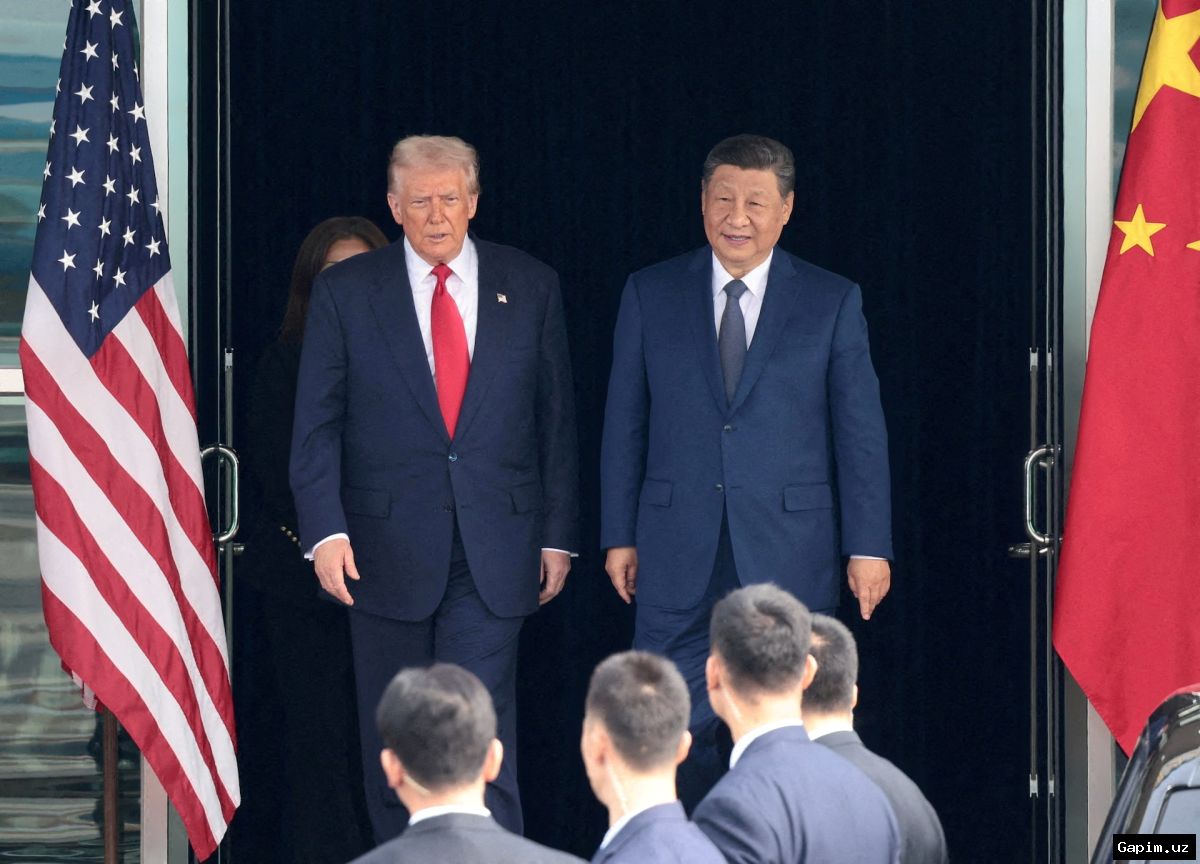
Iran is unlikely to top the agenda. Christopher Heurlin, professor at Bowdoin College, said Taiwan remains China's priority, while Trump will likely push for more Chinese purchases of US soybeans. China is a major importer of Iranian and Middle Eastern oil, so its economy could suffer from the Hormuz blockade and US naval siege.
Heurlin noted Beijing has been reluctant to intervene. “The Chinese have positioned themselves as possibly helpful, but they've held off pressuring Iran, waiting for this visit,” he said. Though China has oil reserves, they are finite, giving it an interest in reopening the strait.
Inderjeet Parmar, professor at City St George's, University of London, said Trump heads to China “chastened” by Iran war setbacks. “He needs Chinese support to open Hormuz. China needs it too, but can use this as leverage on Taiwan,” Parmar told Al Jazeera.
Trump claimed before departure he does not need Xi's help on Iran, but soaring US gas prices, inflation, stalled diplomacy, and falling approval ratings suggest the war is hurting his standing. Last week, Treasury Secretary Scott Bessent urged China to intervene.
William Yang, senior analyst at the International Crisis Group, said both countries want Hormuz open but disagree on approach. China calls for restraint, while Trump threatens military strikes. A US attempt to forcibly reopen the strait was short-lived.
In April, Xi proposed a “four-point plan” for Middle East peace, favoring multilateralism. Chinese Foreign Minister Wang Yi hosted his Iranian counterpart last week, calling for a comprehensive ceasefire.
Analysts say Xi's help would not come for free. Beijing's top priority is Taiwan. Parmar said China may demand opposition to Taiwanese independence in exchange for pressuring Iran. Heurlin added China will try to convince Trump not to approve a $14bn arms sale to Taiwan.
Source: www.aljazeera.com