Negotiations between the United States and Iran, held on April 11–12 in Islamabad, concluded without an agreement. The talks failed primarily due to unresolved issues regarding Iran's nuclear program. US Vice President JD Vance left Pakistan after nearly 25 hours of consultations, deeming the process unsuccessful.
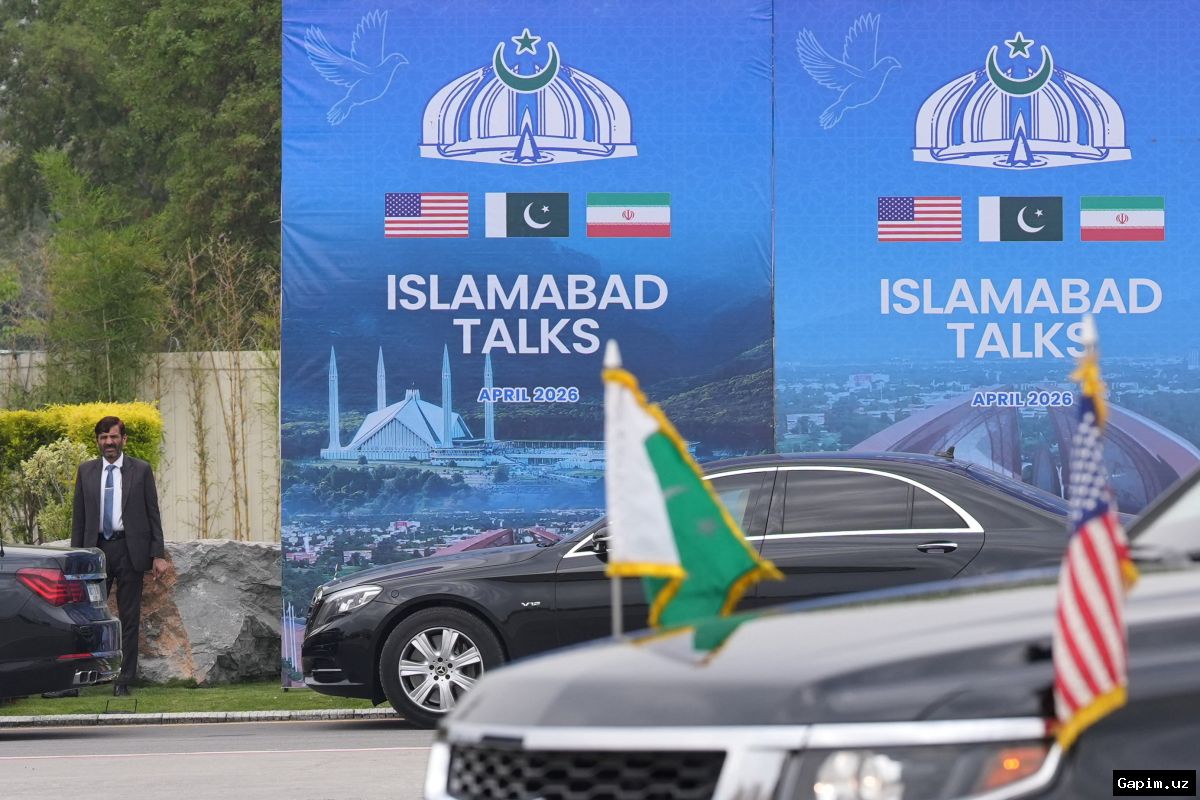
Vance stated, "We did not reach an agreement, and this is bad news first and foremost for Iran." He emphasized that Washington's position on preventing Iran from acquiring nuclear weapons remains unchanged. Vance noted that the nuclear weapons issue was central to the talks, with President Trump's alleged main goal being to stop Tehran from possessing nuclear weapons now and in the future.
US President Donald Trump, in turn, dismissed the negotiation outcomes as insignificant, claiming that Washington "has already emerged victorious from this war." He accused Iran of failing to uphold its promise to ensure free navigation through the Strait of Hormuz and of posing a threat to global trade. Trump suggested that Iran might have mined the strait's waters, raising concerns among shipping companies and countries dependent on this route.
Trump announced the US intention to initiate a naval blockade of the Strait of Hormuz to curb any illegal tolls on vessel passage. The US Navy will be instructed to inspect and detain ships linked to such payments and begin demining the waters. Trump stressed that any aggressive actions by Iran will be harshly suppressed and declared the US readiness for further escalation if the situation is not resolved.
Source: podrobno.uz